Skip to content
Browse CultureUp
Collection

Stories

The CultureUp core shelf for Indigenous Black memory, Black church memory, family continuity, music and media memory, place memory, and source trails.

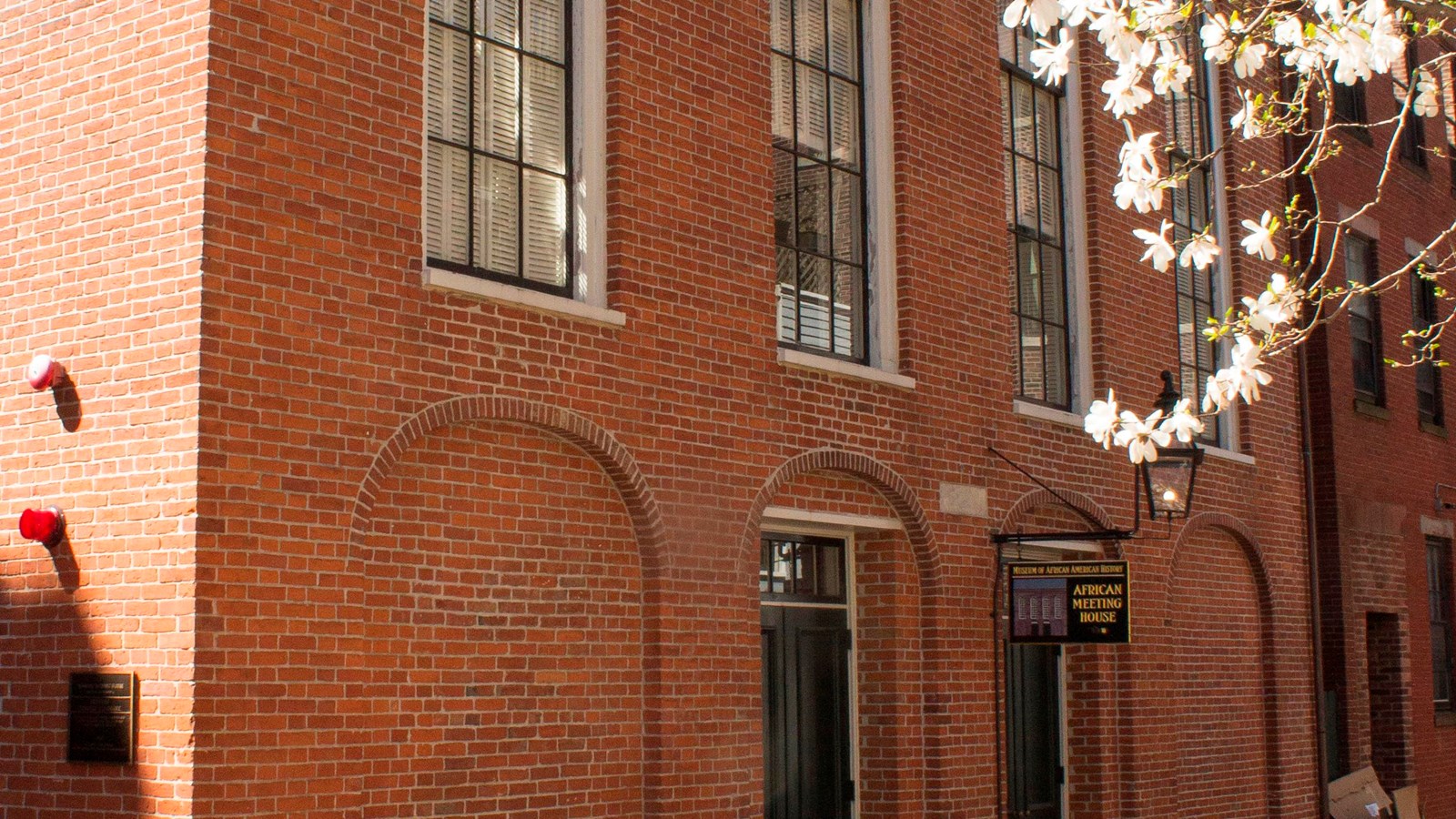
Exterior view of the African Meeting House, a historic Black church and public-memory site in Boston.
Core scope
Memory
Hold lanes
Preserved
Source model
Visible

Collection archive

Stories index

A curated first page keeps the collection readable while Explore, the sources library, and the sitemap preserve full-corpus discovery.

Curated view

Showing 19 of 28

How to read this lane

Stories should help readers tell the difference between Indigenous Black memory, source trails, hold lanes, and review lanes.

This page is not one flat pile of content. CultureUp core stories are rooted in Black American memory, records, churches, cemeteries, civic institutions, music, media, family continuity, and local place history. Stories routed to African Memory Hold, MoorOfUS Review, Native Memory Network, or Network General remain preserved on their story routes and source trails, but they are not promoted here as CultureUp core.

Reader checks

  • Look for the content label, evidence language, and correction path before treating two stories as the same kind of work.
  • Use source-literacy pages when a claim depends on records, maps, photos, court files, or public data you want to understand better.
  • If a story feels fast, use standards and source links to see whether it is a brief explainer, a feature, or a developing evidence trail.

Why this page exists

A collection page should give readers an editorial reason to stay.

Use this page when you want the CultureUp memory core rather than a broad feed. It is a curated front door into source-aware Indigenous Black memory work.

Stories should help readers learn something durable: how a record works, how a Black American community remembers, how a claim is sourced, or how a cultural subject changes once the evidence is visible.

Reader checks

  • Which pieces are reported features and which are source-literacy guides?
  • Where should a new reader start if they want context rather than a news spike?
  • How does CultureUp keep sources, rights notes, and correction paths visible on story pages?

Start here

Three strong entry points for this shelf.

Exterior view of the African Meeting House, a historic Black church and public-memory site in Boston.

Black Public Memory / Churches

Black Churches Are Public-Memory Infrastructure

A Black church can be a sanctuary, school, meeting house, organizing room, music archive, burial marker, and record of community continuity. CultureUp reads church sites as public-memory infrastructure, not scenery.

CultureUp EditorsApr 30, 2026 / 9 min read

Feature Story
Why trust this site

Stories stays useful when readers can inspect the standards around it.

A collection page should do more than stack links. It should make the source route, correction route, and media-rights expectations easy to reach from the same shelf.

Editorial standards

See how CultureUp labels evidence, handles scope, and keeps public-memory claims disciplined.

Sources library

Open the source index to inspect institutions, collections, and records behind the reporting.

Corrections path

Readers can submit corrections and source notes through a visible, standing update route.

Media rights

Review how CultureUp treats captions, credits, permissions, and reusable editorial media.

Featured stories

Start with the clearest entry point.

Look for the content label, evidence language, and correction path before treating two stories as the same kind of work.

Exterior view of the African Meeting House, a historic Black church and public-memory site in Boston.

Black Public Memory / Churches

Black Churches Are Public-Memory Infrastructure

A Black church can be a sanctuary, school, meeting house, organizing room, music archive, burial marker, and record of community continuity. CultureUp reads church sites as public-memory infrastructure, not scenery.

CultureUp EditorsApr 30, 2026 / 9 min read

Feature Story
Browse stories

Keep following the context.

Use source-literacy pages when a claim depends on records, maps, photos, court files, or public data you want to understand better.

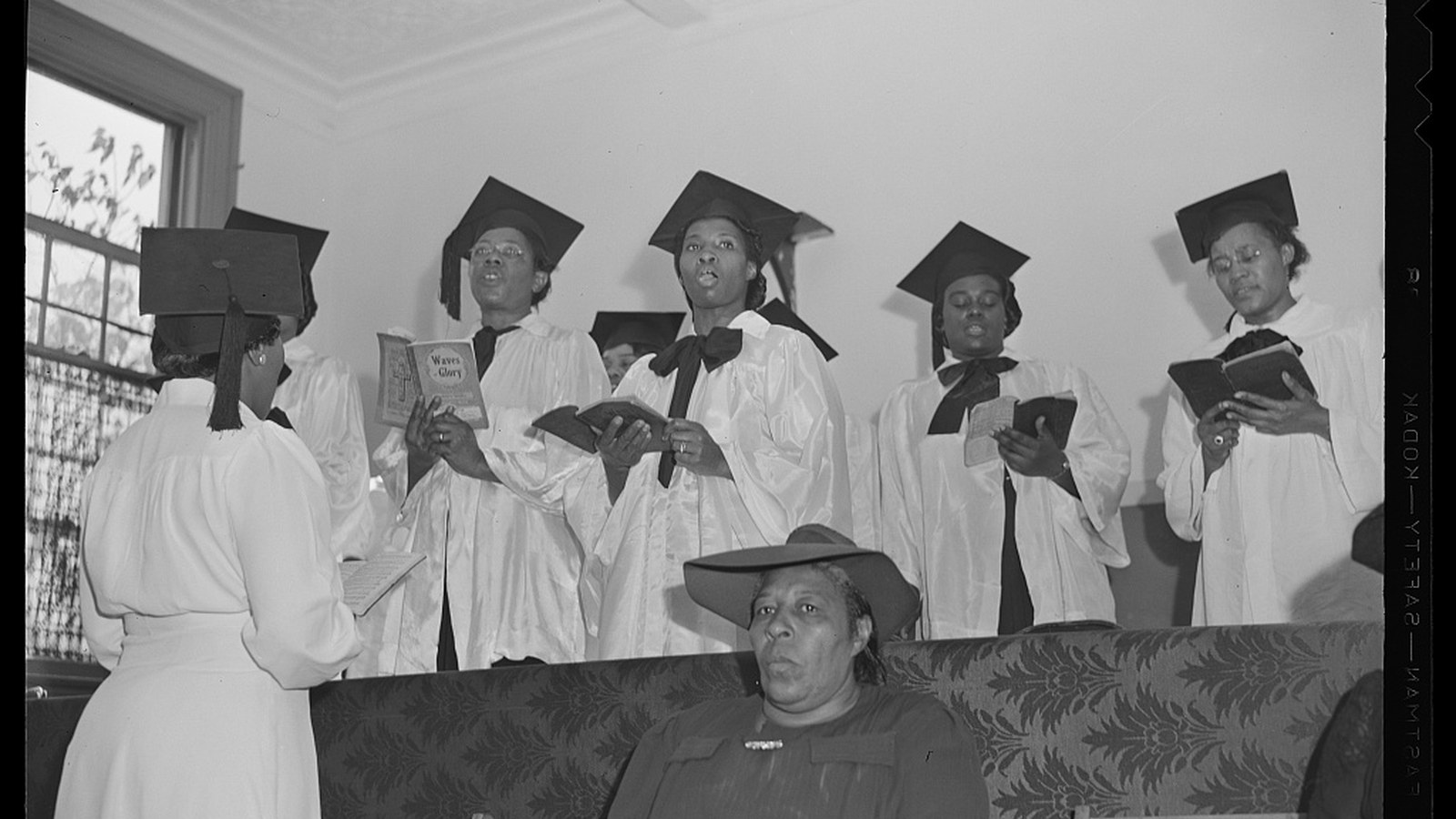
Gordon Parks photograph of the Choir of the Church of God in Christ singing in Washington, D.C. in November 1942.

Gospel / Media

The Gospel Legends Trail: Songs, Stages, and Revival Roads That Carried the Church

A CultureUp flagship trail through gospel songs, live recordings, church stages, convention halls, and city memory, beginning with Shekinah Glory Ministry, The Canton Spirituals, Willie Banks and The Messengers, Troy Ramey and The Soul Searchers, and the GMWA Women of Worship.

CultureUp Editorial DeskMay 20, 2026 / 12 min read

Flagship Editorial

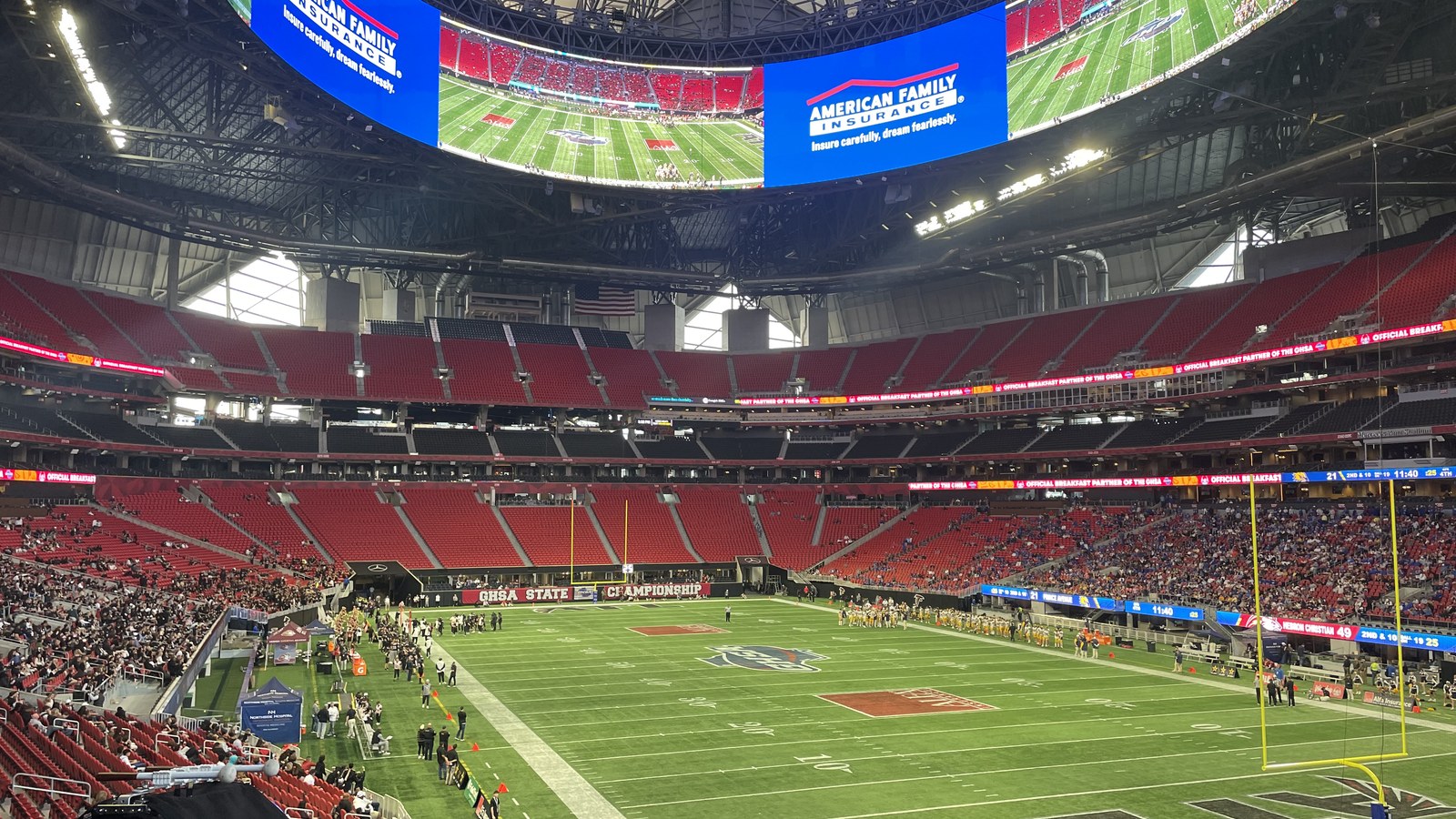
Interior view of Mercedes-Benz Stadium in Atlanta during a 2024 football championship game, showing the field, seating bowl, video board, and stadium roof.

Black Atlanta / Place Memory / Global Event Context

The World Is Coming to Atlanta. The Real Story Runs Through Black Atlanta.

World Cup 2026 will bring global visitors to Atlanta, but the stronger visitor trail runs through Black Atlanta public memory, Sweet Auburn, the King historic district, the Atlanta University Center, West End cultural institutions, immigrant corridors, refugee communities, and neighborhoods still negotiating growth and memory.

CultureUp Editorial DeskMay 17, 2026 / 12 min read

Flagship Editorial

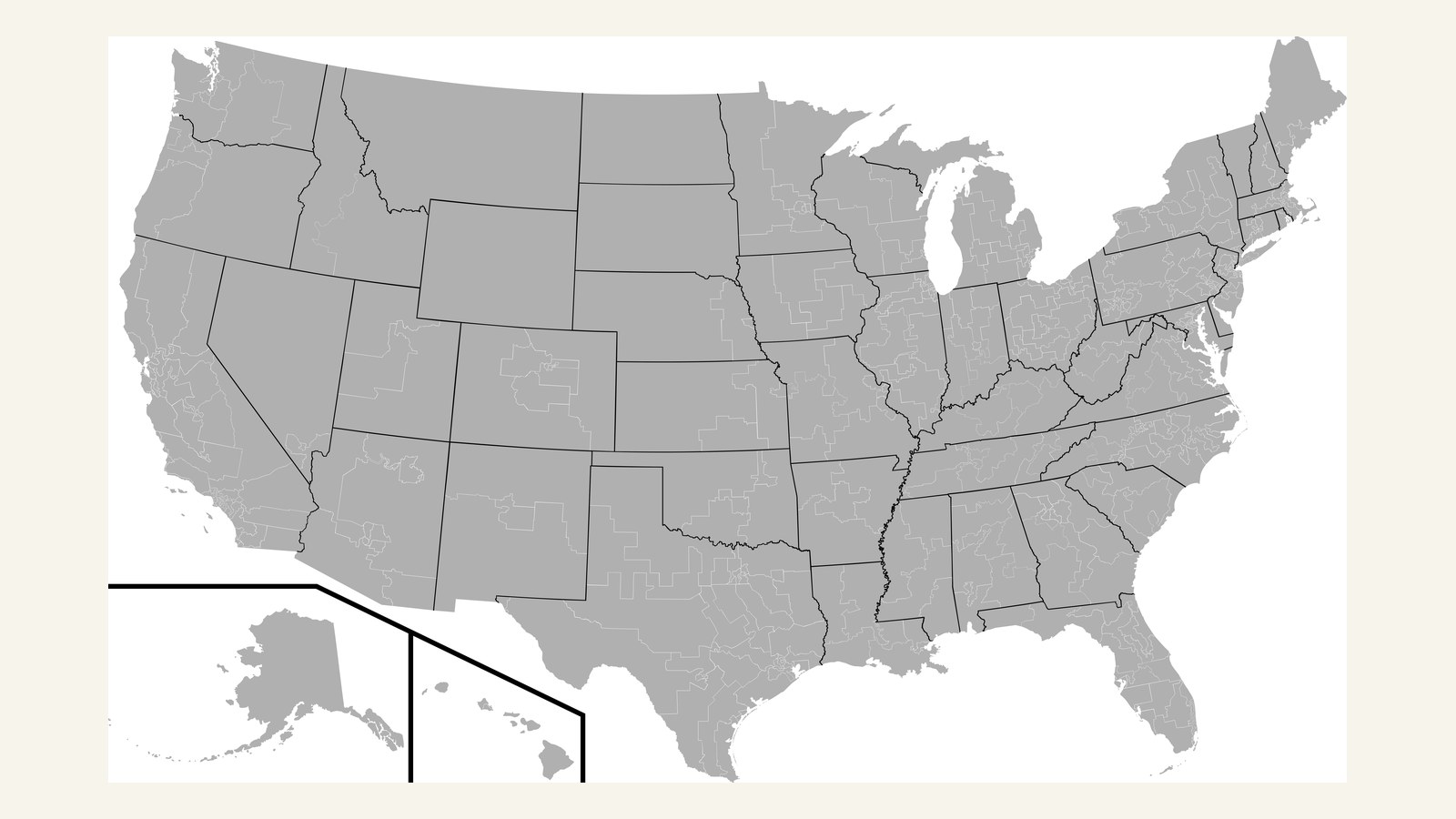
Map of United States congressional districts with district boundary lines across the states.

Civic Memory / Voting Rights / Indigenous Black Memory

The Map Is the Memory

After the Supreme Court narrowed the Voting Rights Act, the fight over redistricting is no longer just a party fight. It is a fight over whether long-rooted Black communities remain politically visible on the land they helped build.

CultureUp Editorial DeskMay 22, 2026 / 9 min read

Flagship Editorial

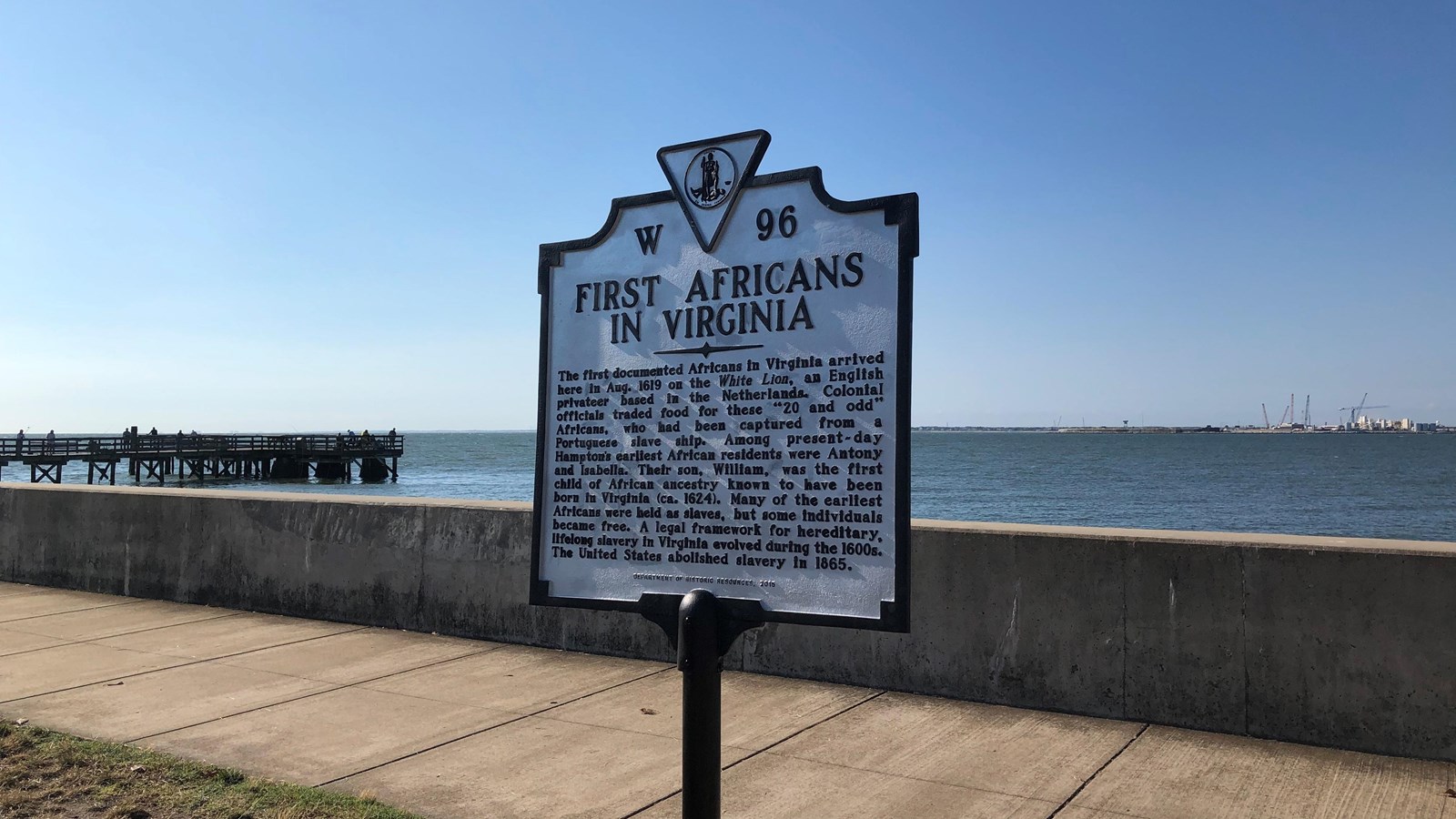
First Africans in Virginia historical marker at Fort Monroe, Virginia.

Public Objects / Field Notes

A Historical Marker Is a Doorway, Not the Final Word

Historical-marker stories need inscription, sponsor, date, source trail, geography, silences, and later corrections before readers treat a sign as history.

Research DeskApr 30, 2026 / 6 min read

Short Brief

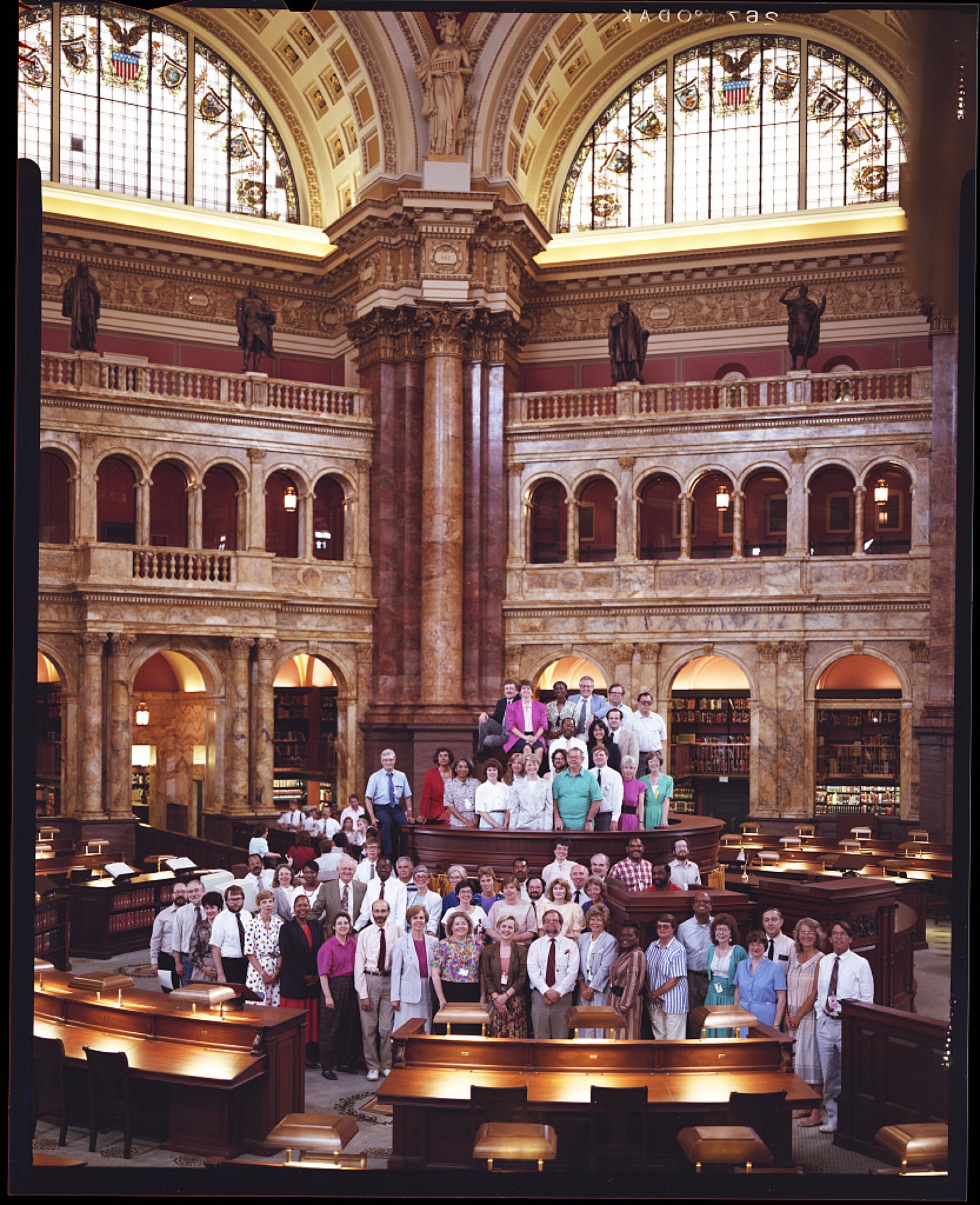
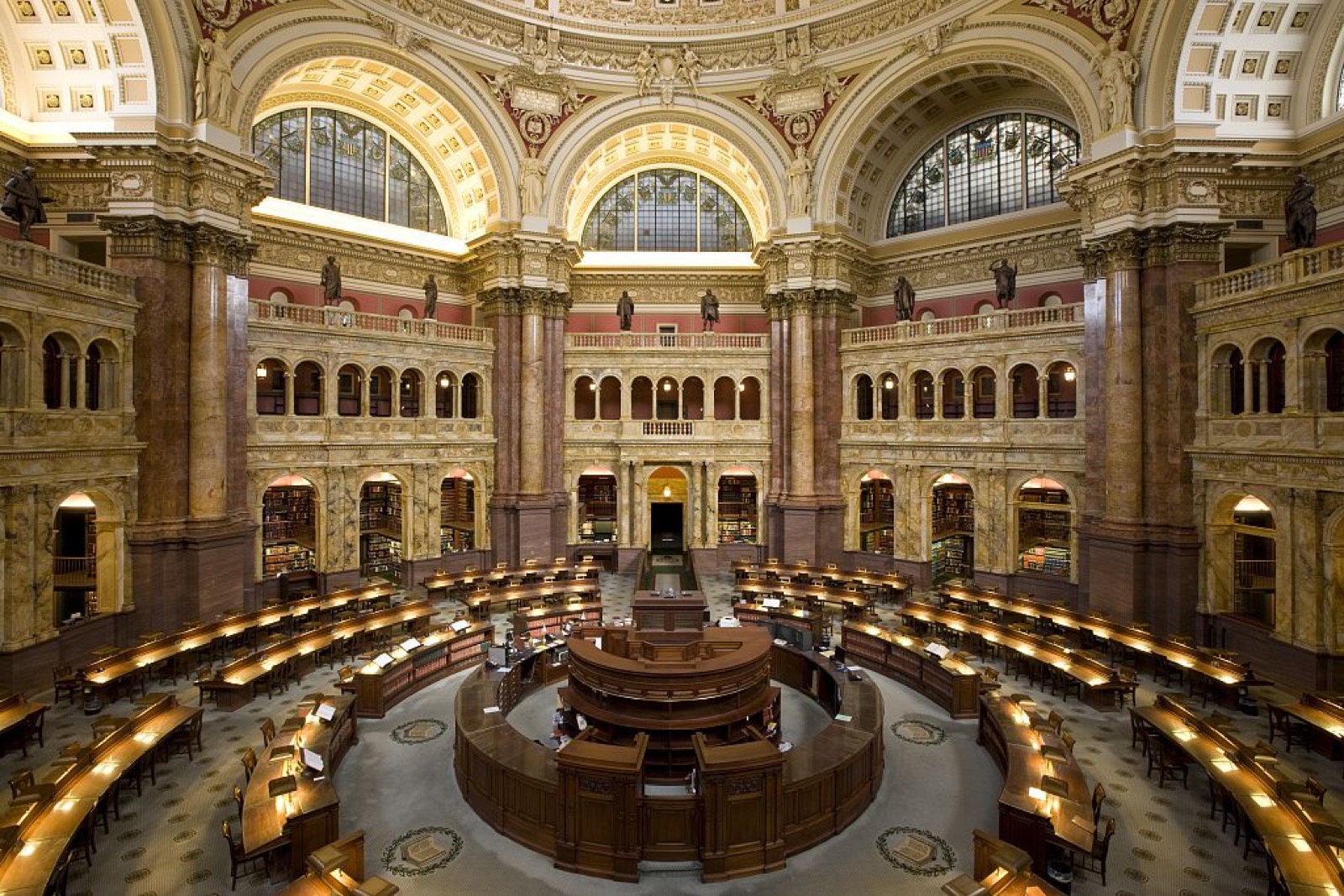
Library of Congress staff in the Main Reading Room of the Thomas Jefferson Building.

Public Memory / Media

Oral History Is Not a Footnote to the Official Record

Oral histories belong beside archives, public records, photographs, maps, and institutional files without forcing memory and paperwork to prove the same thing.

Standards DeskApr 30, 2026 / 6 min read

Short Brief

9 additional records

Continue through Explore, categories, and the sitemap.

This collection page keeps a fast curated shelf while the full published CMS archive remains available below. Some review-held pages stay noindex while they remain useful to readers.

Published CMS archive

Every published CMS article has a live reader route.

This archive exposes the full published CMS corpus without overriding review gates. Articles marked noindex remain public reader pages, but they are held out of search and promotion surfaces until the evidence, lane, and AdSense checks allow it.

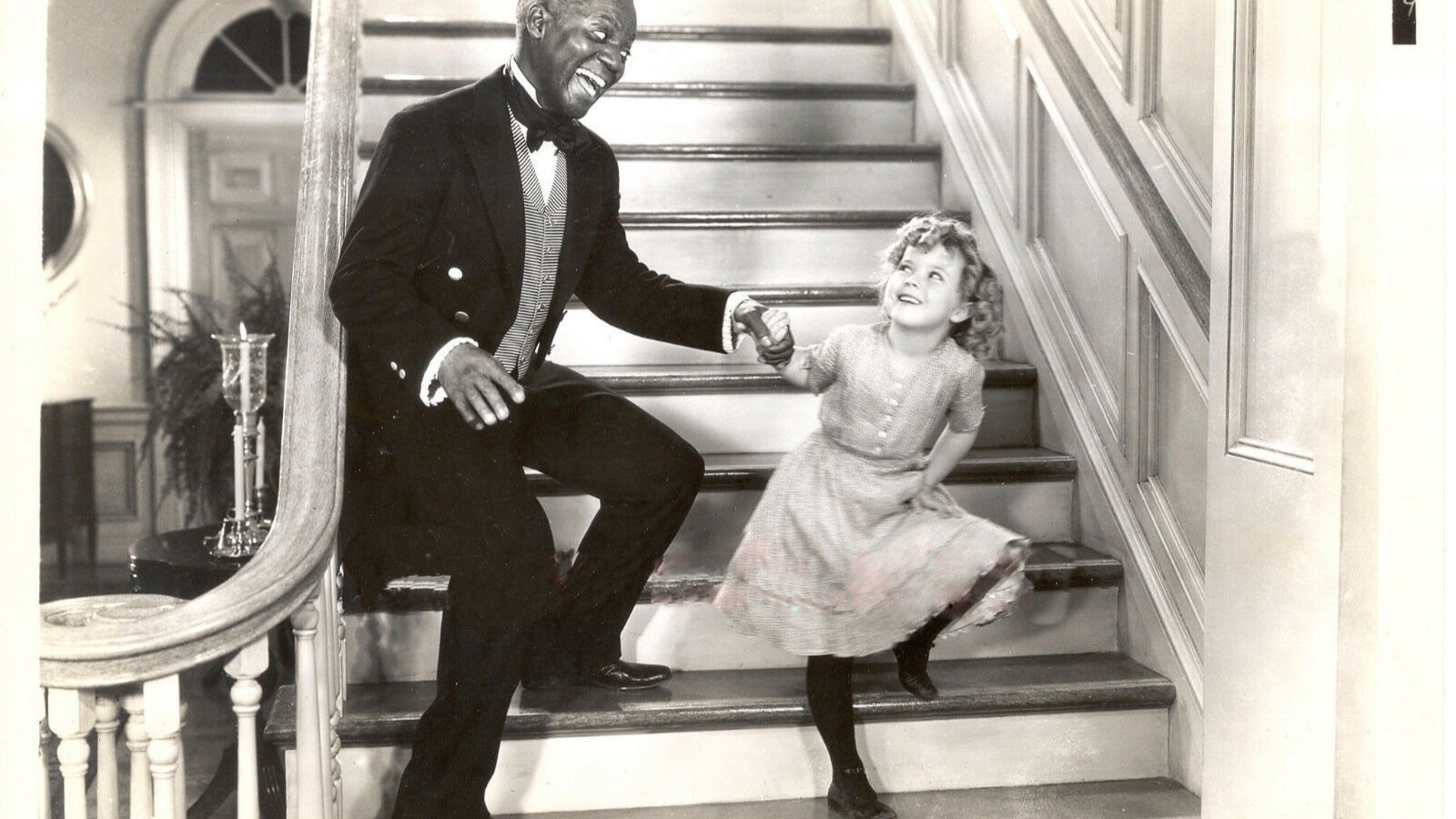
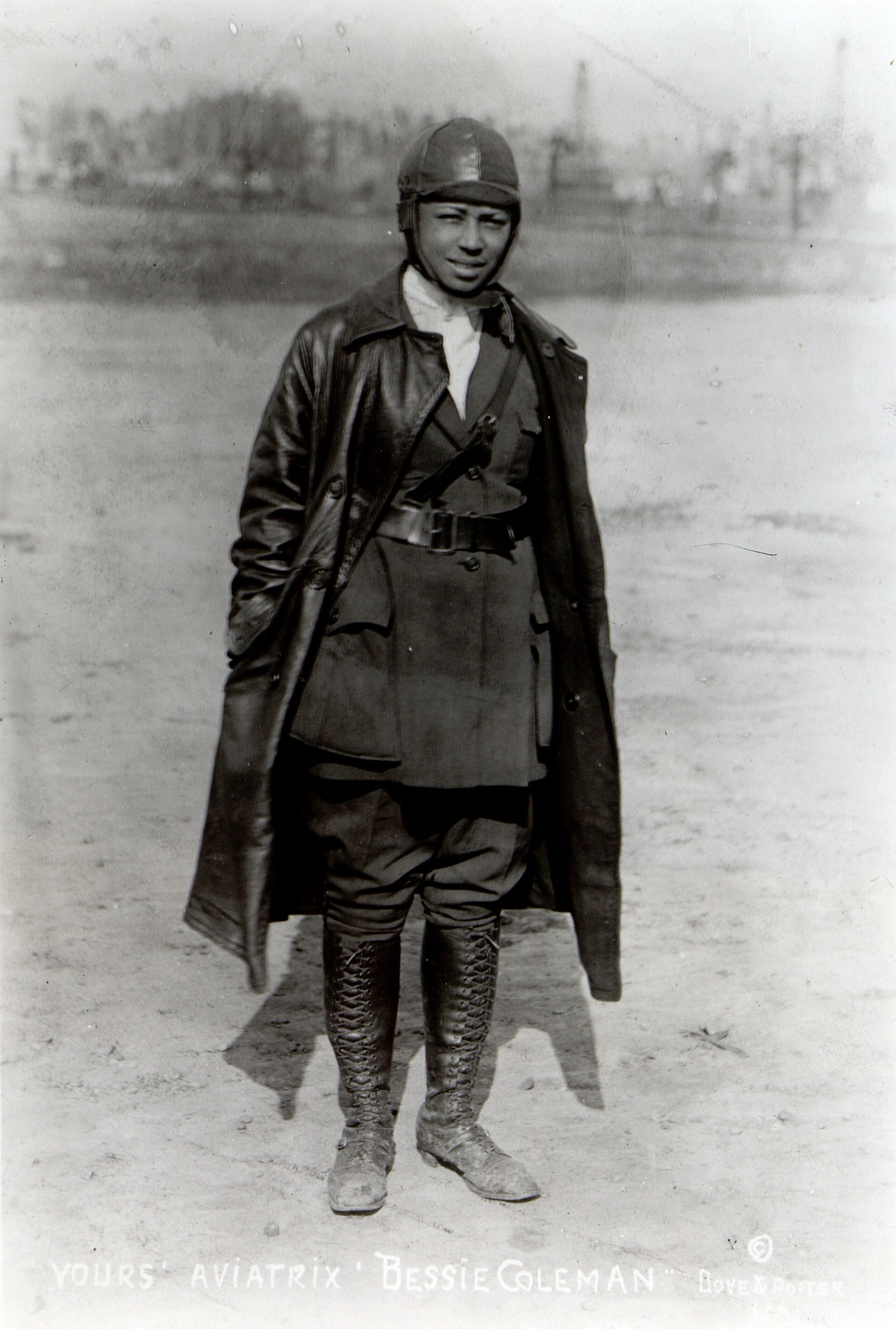
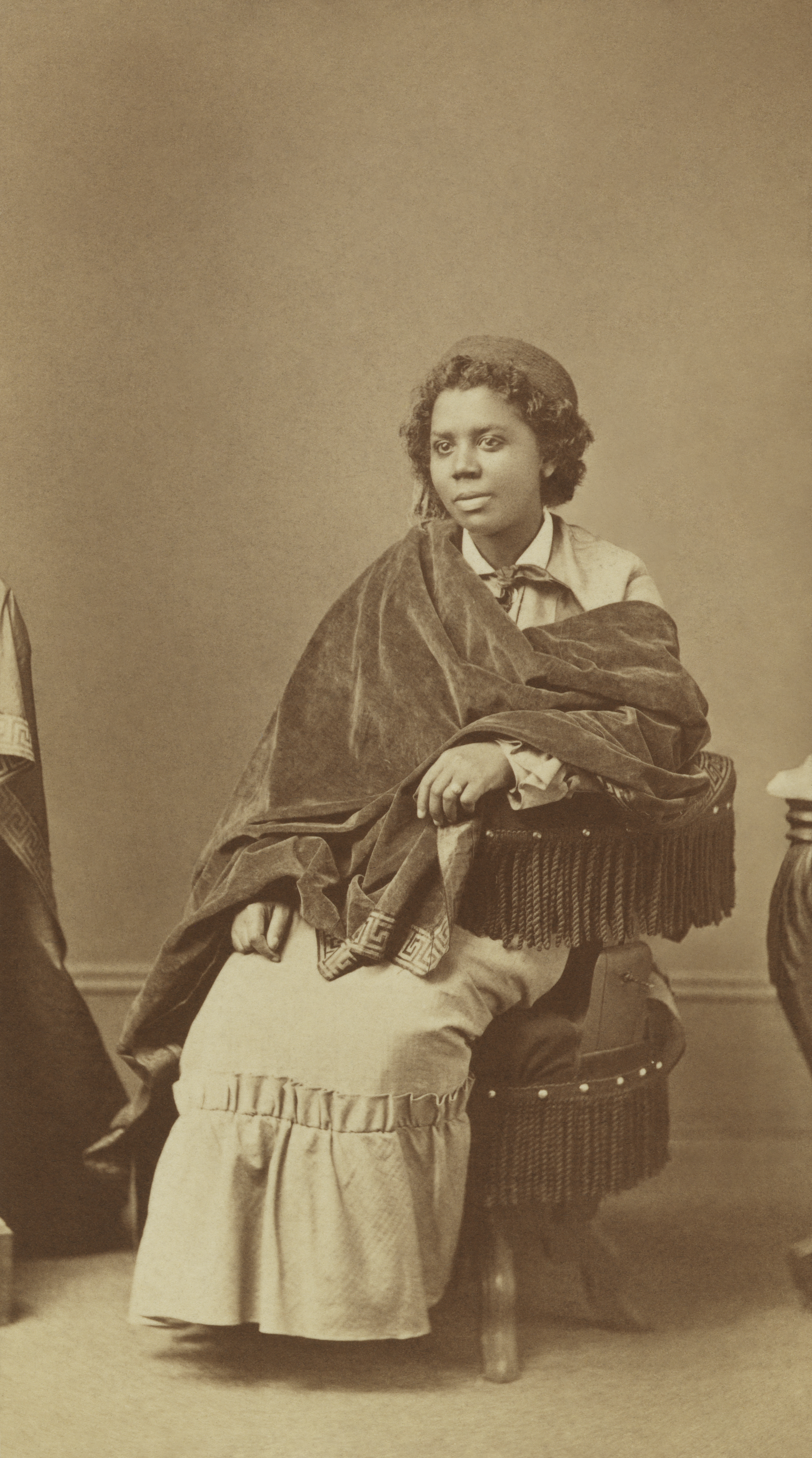
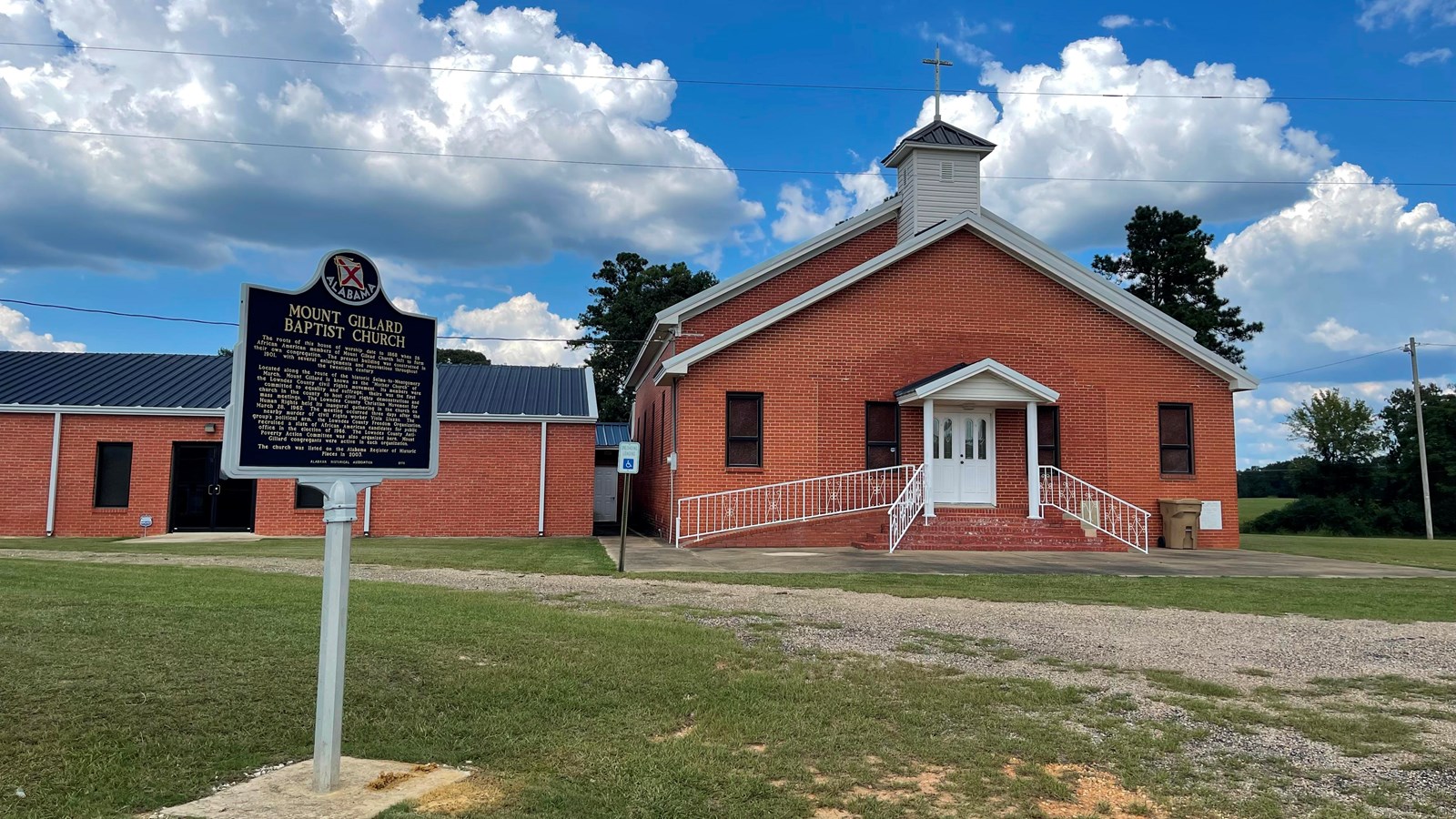
A Bill Tracker Without Action History Is Just Political TheaterBill pages need action dates, chamber movement, amendments, sponsors, votes, committee steps, and current status before readers know what actually happened.Politics / Legislative RecordsPublished / noindexA Black Heritage Trail Is Useful Only When the Source Trail Stays VisibleBoston’s Black Heritage Trail gives CultureUp a way to teach public trail reading: sites, maps, audio, records, interpretation, and what each stop can and cannot prove.Black American Place MemoryPublished / noindexA Black Mayor Story Needs City Records, Not Only CelebrationMaynard Jackson’s public-memory trail should move through mayoral records, airport and MARTA files, contracts, city government, and Black Atlanta civic geography.Civic & Institutional MemoryPublished / noindexA Census Table Is Not the Whole Community StoryCensus tables need geography, universe, estimate type, margin of error, release year, and local context before they can carry a community claim.Community DataPublished / noindexA Civil-Rights Archive Clip Needs More Than a Moving CaptionWeekly media summaries should connect archive clips to collection records, dates, rights, local context, and what the clip does not prove by itself.Media / ArchivesPublished / noindexA Climate Normal Sounds Permanent. It Is Really a Baseline Choice.Climate-normal stories need baseline period, station or grid source, variable, geography, and comparison method before they can support a change claim.Science & Technology / Climate DataPublished / noindexA Community Story Needs Consent Before It Needs a Better QuoteA CultureUp submissions guide for protecting people, place, privacy, and context before turning community stories into publishable narratives.Community / SubmissionsIndexedA Court Filing Is Not the Whole Case. The Docket Tells You Where It Fits.Court stories need docket number, filing type, party posture, order status, hearing dates, jurisdiction, and later updates before a document becomes context.Justice / Legal RecordsPublished / noindexA Disaster Declaration Is Not the Same Thing as Help Arriving TomorrowDeclaration pages need incident period, counties, assistance categories, amendment status, and local application paths before readers can understand what is actually available.NewsPublished / noindexA Flood Map Can Be Official and Still Out of Date for the Decision You NeedFlood-map stories need panel number, effective date, map status, property or community boundary, and local update context before they can guide risk interpretation.Community / Flood RecordsPublished / noindexA FOIA Request Is Not a Magic Question BoxRecords requests need agency, record description, date range, exemption risk, appeal path, fees, and fulfillment status before readers know what the request can produce.Public RecordsPublished / noindexA Gospel Story Needs More Than a Favorite Performance ClipGospel coverage needs recording date, performers, church or venue, label or archive credit, rights status, and reception history before a clip starts standing in for the whole tradition.Gospel / MediaPublished / noindexA Grant Announcement Is Only Half the StoryGrant coverage should connect the opportunity notice, eligibility, recipient, award amount, performance period, and reporting duties before an announcement sounds like an outcome.Public Finance / GrantsPublished / noindexA Historical Marker Is a Doorway, Not the Final WordHistorical-marker stories need inscription, sponsor, date, source trail, geography, silences, and later corrections before readers treat a sign as history.Public Objects / Field NotesIndexedA Hymn Can Carry a Migration Story If You Listen Beyond the ChorusCultureUp reads hymns, choirs, churches, migration routes, recordings, and public memory as linked records, not as nostalgic background music.Gospel / Black Public MemoryIndexedA Land Acknowledgment Is Not the Work. It Is the Doorway.Land acknowledgments matter only when they name specific nations, cite real place records, and point readers toward present relationships instead of symbolic closure.Indigenous MemoryPublished / noindexA Lobbying Record Needs the Client, the Issue, and the Period Before It Means AnythingLobbying records need client, registrant, issue code or description, filing period, covered officials, amendments, and payment context before readers infer influence.Politics / Lobbying RecordsPublished / noindexA Marker, a Map, and a Hymn Can Tell Three Different Versions of the Same MemoryPublic memory becomes stronger when CultureUp lets signs, geography, music, archives, and local stewardship sit in productive tension.Black Public Memory / MediaIndexedA Monument Is Trying to Teach You What to RememberMonuments are public arguments. Read them through sponsor, inscription, placement, omissions, and the fights that came after the stone was set.Public ObjectsIndexedA Park Video Can Teach History. It Still Needs a Source Trail.NPS interpretive media is useful public education, but CultureUp should preserve unit name, steward, date, rights note, and place context.Public History / MediaPublished / noindexA Place Story Fails When It Reads Like a Travel Caption With Better LightingCultureUp place stories need history, stewardship, residents, records, access, and change over time, not just a beautiful location and a quick recommendation.Place / Editorial PracticeIndexedA Platform Rule Change Is a Money Story If Creators Depend on ItEffective dates, payout changes, reach effects, enforcement rules, and appeal routes turn a platform policy update into a real business story.Business / PlatformsPublished / noindexA Primary-Source Collection Is Not Proof by ItselfPrimary-source collections need item selection, creator, date, collection scope, metadata, absences, and interpretation before they can support a claim.Archives / EducationPublished / noindexA Profile Can Prove Presence If It Shows the Source TrailCulture profiles need dates, places, institutions, records, relationships, and limits before a life story becomes more than a short biography.Culture ProfilesIndexedA Public Alert Post Can Help or Harm Depending on the TimestampFEMA alerts, maps, warnings, and local records need time, place, source, and action language before they become safe shareable media.Public Safety / MediaPublished / noindexA Public Contract Story Needs Proof That the Work HappenedFrom award notice to invoices and delivered work, the contract story is the paper trail showing who got paid for what.Business / Public ContractsPublished / noindexA Public Meeting Story Needs the Agenda, the Minutes, and the VoteMeeting coverage needs notice, agenda item, packet, minutes, vote tally, public comment context, and later implementation before a room becomes a record.Accountability / Public MeetingsPublished / noindexA Regulation Story Without the Docket Is Missing the Public TrailRulemaking stories need docket number, proposal, comment window, agency authority, final rule status, effective date, and litigation or guidance context.Accountability / RulemakingPublished / noindexA Source Note That Only Says "Sources" Is Not Doing the JobUseful source notes tell readers what the source can prove, what it cannot prove, and where CultureUp made an editorial judgment.Editorial TrustIndexedA Watchdog Report Needs the Scope and the Response, Not Just the Worst LineWatchdog coverage needs the report scope, method, findings, recommendations, and agency response on the page before a single quote turns into a verdict.Accountability / Watchdog ReportsPublished / noindexA Wildfire Map Can Be Dangerous Without the DateA CultureUp reader-safety guide for covering wildfire perimeters with timestamp, source agency, evacuation context, containment status, and uncertainty clearly separated.Safety / Wildfire DataPublished / noindexA World Bank Indicator Needs the Series, Country, and Year Before It Says AnythingWorld Bank data stories need series code, country or economy, year, unit, source note, and missing-data context before readers compare development claims.World / Global DataPublished / noindexal-Andalus Was Not One Simple Frontier of FaithStories about al-Andalus need period, place, language, dynasty, religious community, and later memory context before readers turn a complex history into a slogan.World / Moorish IberiaPublished / noindexAmazigh After Berber: The Name Is Part of the StoryA naming explainer on why many communities prefer Amazigh, how Berber persists in archives, and where language, identity, and state recognition diverge.World / North AfricaPublished / noindexAn AI Tool Launch Needs the Part Everyone Skips: Who Carries the Risk?What the tool does, what data it relies on, who it affects, where it fails, and who carries the risk when the rollout goes wrong.Technology / AIPublished / noindexAn Air Quality Number Without a Monitor and Time Can Send Readers the Wrong WayAir quality stories need monitor location, time window, pollutant, index scale, weather context, and alert source before they become useful public-health information.Environment / Public HealthPublished / noindexAn FCC Notice Is Not Just a Notice. It Is a Trail of Dates, Dockets, and Markets.Broadcast and media updates become clearer when the docket, notice ID, filing date, affected market, and latest update stay attached.Broadcast and Policy MediaPublished / noindexAn SDG Claim Without Metadata Is Just a Slogan With a NumberSDG coverage needs the target code, indicator definition, custodian agency, country, and reporting year on the page before goal language starts doing policy work.World / Sustainable DevelopmentPublished / noindexAre All Eyes On South Fulton?A senior celebration, an election warning, and a federal fight over Fulton County records have pushed South Fulton into a public trust spotlight.Politics / Civic AccountabilityIndexedBear Lodge Is Not Just Another Name for a LandmarkSacred-place coverage needs tribal naming, federal terminology, tourism language, and site conflict on the same page or the story collapses into branding.Indigenous MemoryPublished / noindexBefore The Voice There Was The Family ChoirA family photo captioned as young Whitney Houston with her cousin Dionne Warwick opens a deeper story about Black musical inheritance, gospel training, kinship, and the family voices that shaped a global icon.Black Public MemoryIndexedBefore You Put the Plaque on Camera, Read What It Leaves OutMarker stories need sponsor, date, inscription, location, missing context, community memory, and current stewardship before a sign becomes the whole story.Media / PlacesIndexedBefore You Rank Countries, Read the OECD Method NoteOECD indicators need the method note, comparison scope, and missing-context warnings attached before a cross-country chart becomes a scoreboard.World / Comparative DataPublished / noindexBefore You Share That Archive Image, Find the Rights Sentence Everyone Skips.A reusable image or clip needs more than a credit line: source title, creator, holder, date, rights language, access path, and verification date.MediaIndexedBessie Coleman’s License Date Is Not Trivia. It Is the Evidence Trail.Bessie Coleman becomes legible through license records, newspapers, airshow circuits, commemorations, and the racial barriers those records still expose.Black Public Memory / AviationIndexedBethune Beach Was Recreation, Land Memory, and Public AccessBethune-Volusia Beach gives CultureUp a source-led way to read Black recreation, public access, land memory, and Mary McLeod Bethune’s local institution-building.Black American Place MemoryPublished / noindexBlack Americans Are Not Lost: Records, Place Memory, and the End of Identity FatigueBlack Americans are not identity-deficient. Records, churches, cemeteries, land memory, and family continuity show that long-rooted Black American memory was renamed, pressured, and obscured, but not erased.Indigenous Black Memory / IdentityIndexedBlack Birth Work After HospitalizationWhen childbirth moved into hospitals, Black birth work did not disappear. It was reorganized across maternity wards, nurseries, nursing schools, nurse-midwifery, public-health visits, discharge follow-up, and community perinatal care.Health / Black Health MemoryIndexedBlack Bottom Should Be Read Through Streets, Archives, and What Urban Renewal RemovedDetroit's Black Bottom is a place-memory story about neighborhood records, photographs, displacement, and the limits of city-redevelopment language.Black American Place MemoryPublished / noindexBlack Churches Are Public-Memory InfrastructureA Black church can be a sanctuary, school, meeting house, organizing room, music archive, burial marker, and record of community continuity. CultureUp reads church sites as public-memory infrastructure, not scenery.Black Public Memory / ChurchesIndexedBlack Health Is Place MemoryBlack health is recorded in streets, churches, hospitals, pharmacies, funeral homes, cemeteries, transit routes, birth and death records, and the public decisions that connected or separated them.Health / Black Health MemoryIndexedBlack Hospitals Were Community InfrastructureBlack hospitals were places of care, but also schools, employers, professional networks, civic institutions, and community archives built inside an unequal medical system.Health / Black Health MemoryIndexedBlack Maternal Mortality Is Not NewThe latest federal rate is current, but the disparity is not: Black maternal mortality has persisted across generations of changing hospitals, midwifery systems, vital records, public-health programs, and measurement rules.Health / Black Health MemoryIndexedBlack Newspapers Are Public Records When the Source Trail Is VisibleA Black newspaper source can preserve names, dates, meetings, routes, ads, churches, schools, and civic arguments. CultureUp should teach readers how to cite the record without turning the press into a vague symbol.Music & Media Memory / Public VoicePublished / noindexBoarding-School History Should Not Be Told Like a Closed ChapterThis timeline tracks policy, institution records, survivor memory, government review, and present-day community stewardship without collapsing them into one story.Timeline / Sensitive RecordsPublished / noindexBuild the Timeline First or the Article Will Hide the GapsA timeline-first workflow exposes missing dates, weak transitions, source conflicts, and interpretive leaps before the article turns them into smooth prose.Timeline PracticeIndexedCampaign Money Stories Break When the Filing Date VanishesCampaign finance records need filing date, reporting period, committee, contributor or vendor identity, limits, amendments, and cash context before they support a claim.Politics / Campaign FinancePublished / noindexCarlisle Is Not Just a Dot on a Boarding-School MapMaps can locate Carlisle, but readers still need student names, policy records, cemetery evidence, descendant memory, and survivor testimony before the story means anything.Indigenous Memory / Boarding School RecordsPublished / noindexCarter G. Woodson’s Office-Home Was a Source Method, Not Just a LandmarkThe Woodson Home can be read as a place where Black history work became institution, publication, archive, and method.School & Education MemoryPublished / noindexCemetery and Memorial Records Need Care Before They Become Public MemoryA cemetery record can name a person, place, marker, or institution. It cannot carry the whole story by itself. CultureUp reads burial and memorial records through source limits, descendant care, local stewardship, and correction paths.Black Public Memory / Cemetery Memory / Sensitive RecordsIndexedChurch Records After Urban Renewal Need Building, Congregation, and Neighborhood LayersEbenezer Baptist Church gives CultureUp a way to read church memory through a building record, restoration file, congregation history, and Auburn Avenue neighborhood context.Black Church Memory / Place RecordsPublished / noindexCrowned Before the Industry: Black American Women, Indigenous Memory, and the Science of Black HairBefore beauty conglomerates, Black American women had already built a science of hair: scalp care, cleansing, brushing, pressing, waving, wrapping, weaving, protective styling, and public standards of beauty that the wider industry later learned to monetize.Indigenous Black MemoryIndexedCyrus Carmack-Belton, Rick Chow, and the Price Black Children Are Made to PayA South Carolina jury acquitted Rick Chow after he chased 14 year old Cyrus Carmack-Belton from a gas station and shot him in the back. Black public memory cannot treat that as the end of the record.Black Public MemoryIndexedDid Atlanta Betray Greenbriar and Atlanta Transit?Southwest Atlanta was told More MARTA would accelerate light rail on Campbellton Road. Today the official project is bus rapid transit. CultureUp reads the public record through Greenbriar, place memory, and civic trust.Culture & PlaceIndexedDisplacement Numbers Can Mislead Fast If You Miss This One LabelDisplacement figures need the status label, source agency, geography, time window, and whether the number is a stock, flow, estimate, or registration count.World / Humanitarian DataPublished / noindexEdmonia Lewis Belongs in the Public-Memory Story, Not Just the Art FootnoteEdmonia Lewis needs sculpture records, patronage, exhibition history, race, gender, and archival survival on the page before the work gets flattened into an art-world footnote.Art / Public MemoryIndexedEgyptology Is One Lane. How People Use Ancient Egypt Today Is AnotherA clean CultureUp story separates ancient evidence from modern reception, so readers can see when a claim is about artifacts and when it is about later meaning-making.African Memory HoldPublished / noindexElection Information Starts With the Official Source, Not the Loudest ScreenshotElection pages need official source, jurisdiction, date, ballot item, deadline, update time, and correction path before readers act on voting information.Politics / Civic InformationPublished / noindexEnergy Charts Break When the Unit, Sector, or Source DisappearsEnergy data needs unit, sector, geography, time period, source agency, and conversion assumptions before readers can compare prices, production, consumption, or emissions.Science & Technology / Energy DataPublished / noindexEveryone Is Watching Trump in China. The Bigger Story Is the World Being Rewritten.Trump’s Beijing summit is not just diplomatic theater. It is a test of whether America and China can turn rivalry into rules before the next global order hardens around conflict.World / GeopoliticsIndexedFormer Arcadia Mayor Pleaded Guilty in China Agent Case. The Local-News Lesson Is Source Control.A federal case in Arcadia shows why local media, immigrant-language civic spaces, campaigns, and public office need visible source trails before trust is demanded.Politics / Media / Source LiteracyIndexedFreedmen’s Hospital and the Public Record of Black Medical TrainingFreedmen’s Hospital created more than a record of care. Its reports, classrooms, wards, nursing school, residencies, photographs, and federal files document how Black medical authority was trained, governed, and transmitted.Health / Black Health MemoryIndexedFreedom Has a Marketplace: How Black America Turns Juneteenth Memory Into Local Economic PowerJuneteenth began as Black American freedom memory. In 2026, Black-owned marketplaces show how that memory still builds visibility, youth opportunity, and local economic power.Black American Place Memory / BusinessIndexedGranny Midwives, License Boards, and the Archive of Black Birth WorkThe archive often remembers Black midwives when the state registered, trained, inspected, disciplined, or retired them—even when the care, travel, trust, and family knowledge surrounding their work remain harder to see.Health / Black Health MemoryIndexedHBCU Buildings Need Federal Records and Local ContinuityAn HBCU preservation story should name the building, campus, grant path, National Register status, and local source trail instead of turning HBCUs into a broad education summary.School & Education MemoryPublished / noindexHealth Announcements Go Viral Fast. The Safe Story Starts Slower.Official health updates need careful wording, audience scope, version date, and correction paths before a newsroom turns them into public guidance.MediaPublished / noindexHomer G. Phillips Hospital and What Integration Cost Black Care InfrastructureDesegregation was a civil-rights victory. The 1979 closure of Homer G. Phillips Hospital was a separate institutional decision that did not preserve all of the Black training, authority, employment, neighborhood access, and public memory built there.Health / Black Health MemoryIndexedHousing Data Changes Meaning When the Geography or Measure ChangesHousing stories need geography, measure, time period, tenure, source, and denominator before readers compare rent, price, supply, burden, or displacement.Housing / Community DataPublished / noindexHow to Read a Black Health Place StoryA Black health place story becomes trustworthy when it names the place, geography, time, record, method, source owner, and limit before it names the conclusion.Health / Black Health MemoryIndexedHow to Report Maternal Health Without Turning Disparity Into SpectacleMaternal-health reporting should make systems, definitions, evidence, and accountability visible without turning Black pain, private records, or grief into visual shorthand.Health / Black Health MemoryIndexedHoward University Hospital and the Continuity of Black Medical EducationHoward’s medical-education tradition continued across a federal hospital, university affiliation, statutory transfer, a new teaching facility, postgraduate programs, and changing operating structures—but continuity never meant institutional sameness.Health / Black Health MemoryIndexedIf a Policy Claim Has No Paper Trail, Treat It Like a Talking PointPolicy claims need bill text, rule language, votes, fiscal notes, court filings, and implementation documents before they deserve amplification.Politics / Civic LifePublished / noindexIf the Credit Is Hidden, the Design Is Not FinishedImage credits, rights notes, captions, and source links belong inside the reader experience, not buried where only editors can find them.Media CreditsIndexedIf the Culture Is Alive, the Source Cannot Be Frozen in the PastLiving culture stories need current voices, current institutions, current practice, and care around communities that are still defining themselves in public.Culture / Current ContextPublished / noindexIndigenous Place Names Are Public History, Not Decorative LanguagePlace names carry language, sovereignty, map history, pronunciation, restoration work, and public use all at once; coverage should show that full record.Indigenous MemoryPublished / noindexInfant Mortality and the Records of Unequal CareLinked birth and death records show that U.S. infant mortality fell dramatically while Black infants continued to face unequal survival across changing hospitals, neighborhoods, technologies, and public systems.Health / Black Health MemoryIndexedKemet Claims Need Evidence Levels Before the Argument StartsClaims about Kemet need language, archaeology, iconography, genetics, reception history, and modern identity arguments separated before the evidence can be weighed.African Memory HoldPublished / noindexLibrary Data Shows Civic Infrastructure, Not Just Books on ShelvesLibrary data needs branch geography, service area, visits, programs, circulation, digital access, staffing, and funding context before it explains civic capacity.Community InfrastructurePublished / noindexLincoln Hospital and the Politics of Care in HarlemLincoln Hospital belongs to the Bronx, but its politics of care crossed East Harlem, Black nursing networks, municipal hospitals, residency training, and the Young Lords’ demand that communities help govern public health.Health / Black Health MemoryIndexedLittle Rock Central Is a School Route, a Public Record, and a Memory LandscapeLittle Rock Central should be read through the school building, the students' route, the public landscape, and the source trail that keeps the record visible.School & Education MemoryPublished / noindexLowndes County Voting Memory Had a Church DoorMt. Gillard Missionary Baptist Church gives CultureUp a way to read voting memory through a church, a meeting place, a county road, and public records.Black Church Memory / Place RecordsPublished / noindexMahalia Jackson Did Not Just Sing in Public. She Changed the Public Square.Mahalia Jackson’s public voice linked church sound, civil-rights gatherings, radio, television, and memory in ways biography alone cannot explain.Gospel / MediaIndexedMeharry Medical College and the Long Work of Training Black PhysiciansMeharry Medical College trained Black physicians by building and sustaining the full pathway—faculty, curriculum, hospitals, laboratories, archives, professional networks, research, and community service—across generations of exclusion and institutional change.Health / Black Health MemoryIndexedMonroe Elementary Is a School, a Legal Record, and a Public-Memory PlaceThe Brown v. Board trail should be read through Monroe Elementary as a place record and through National Archives documents as a legal record.School & Education MemoryPublished / noindexMoor Is a Loaded Word. Al-Andalus Needs Cleaner Language.Language about al-Andalus breaks down fast unless chronology, geography, source vocabulary, and the limits of the word Moor stay visible together.World / HistoryPublished / noindexMoton Field Was Training Infrastructure, Not Just Aviation LegendMoton Field gives CultureUp a place-based way to read Black aviation, Tuskegee Institute, wartime training, support labor, and public memory through NPS source trails.School & Education MemoryPublished / noindexOral History Is Not a Footnote to the Official RecordOral histories belong beside archives, public records, photographs, maps, and institutional files without forcing memory and paperwork to prove the same thing.Public Memory / MediaIndexedPlace Names Are Not Just Map Labels. They Are Public Memory Fights in Plain Sight.This timeline follows naming, renaming, official records, Native nation specificity, local use, and the politics of what a map teaches readers to remember.Timeline / Indigenous MemoryPublished / noindexPort Chicago Is a Memorial, a Labor Record, and a Military Justice TrailThe Port Chicago public-memory trail should keep the disaster, segregated wartime labor, memorial site, and legal aftermath visible without turning a solemn record into summary content.Civic & Institutional MemoryPublished / noindexPretty Ricky, Release Records, and the Source Trail Behind a Group StoryA CultureUp music and media feature on reading Pretty Ricky through release history, chart records, group roles, media memory, and fan interpretation without reducing the story to one blame claim.Black Music / MediaIndexedProvident Hospital and the Record of Black Surgical AuthorityProvident Hospital made Black surgical authority visible by creating the privileges, training, nursing, operating space, records, and professional networks that exclusion had denied.Health / Black Health MemoryIndexedPublic Domain Does Not Mean Context-FreePublic-domain images still need creator, caption, collection, date, subject context, dignity review, and source link before they become responsible media.Media CreditsIndexedPublic Health Claims Need a Care Source, Not Just a Viral ClipHealth claims need clinical context, a named public-health source, a date, and care-routing boundaries before coverage starts reading like advice.Public Health / Reader SafetyPublished / noindexSatellite Data Does Not Speak for Itself. The Processing Level Matters.Earth-observation stories need product name, processing level, instrument, date range, resolution, cloud or quality flags, and what the dataset can actually measure.Science & Technology / Earth ObservationPublished / noindexSchool Data Needs the Year, the Measure, and the Students Behind the NumberSchool stories need academic year, grade span, student group, measure definition, denominator, source agency, and privacy limits before numbers become public context.Education / Public DataPublished / noindexScience and Tech Claims Need Labels Before They Need HypeReaders need to see whether a claim comes from peer-reviewed research, a preprint, a demo, a patent, a company benchmark, or an independent test.Science & TechnologyPublished / noindexSix Campaigns, Ten Ballot Appearances: Mark Baker’s Policy Pitch Runs Into Timoria McQueen Saba’s Implementation MessageTimoria McQueen Saba’s runoff win over Mark Baker turns a familiar South Fulton political pattern into a sharper public-record question: when does a policy résumé prove leadership, and when does it become a recycled campaign script?Civic & Institutional MemoryIndexedSix Years Later: Atlanta, George Floyd, and the Archive We Had to ProtectCultureUp opens its Atlanta 2020 George Floyd protest archive marker to revisit downtown fire, civic grief, leadership memory, and the need to protect Black-owned witness in the digital age.Black Public MemoryIndexedSixteenth Street Baptist Church Requires Sensitive Public-Memory HandlingA church record can carry architecture, organizing, grief, repair, and stewardship. This draft keeps Sixteenth Street Baptist in source review until the sensitivity trail is complete.Black Church Memory / Place RecordsPublished / noindexSmithsonian Open Access Is Powerful. The Object Record Still Has to Lead.Open Access media works best when the object title, creator, date, medium, rights status, credit line, and catalog route stay visible.Culture / Visual MediaIndexedStart With the Native Nation, Not a Generic Native SourceCoverage involving Native nations should name the specific government, community, source, geography, and context before it reaches for broad pan-Indigenous language.Indigenous Memory / Editorial StandardsPublished / noindexSusan La Flesche Picotte’s Story Is a Public-Health Infrastructure StoryA CultureUp Indigenous-memory guide for reading Susan La Flesche Picotte through medicine, tribal community health, federal policy, hospital-building, and local records.Indigenous Memory / Public HealthPublished / noindexThat Air or Water Alert Needs a Monitor, a Timestamp, and a Boundary.Environmental alerts can sound universal when they are really tied to a monitor, metric, time window, and local authority route.Science & TechnologyPublished / noindexThat IMF Number May Already Have a Newer VersionIMF figures need the release date, vintage, country, unit, and forecast status attached before readers treat one number as settled.Economy / Macroeconomic DataPublished / noindexThat NASA Image Is Stunning. The Release Notes Decide What It Actually Shows.NASA media releases need mission, instrument, date, processing note, observation context, and caption limits before a beautiful image becomes a reliable explanation.Science & TechnologyPublished / noindexThat Viral Archive Photo Is Probably Missing the Most Important SentenceBefore a historical image becomes a shareable post, check the creator, caption, date, rights statement, collection page, and possible harm that disappeared in the screenshot.Media / Reader ToolsPublished / noindexThe African Burial Ground Forced the City to Remember What It Built OverAn archaeology-and-descendant-history explainer on how the African Burial Ground moved from buried city ground to public record, federal monument, and contested memory site.African Memory HoldPublished / noindexThe al-Andalus Timeline Gets Messy Fast When Iberia and the Maghrib Are Split ApartA careful starter timeline keeps Iberian, North African, religious, political, and later memory claims from collapsing into one oversized story.Timeline / WorldPublished / noindexThe Ancient Reason Cats Took Over Our Homes Starts in KemetModern cat homing feels new, but Ancient Kemet shows an older truth: cats became family by first becoming useful housemates.African Memory HoldPublished / noindexThe Best News Tip Usually Has a Public Record Hiding Behind ItThe strongest news tips usually carry a document trail. This guide shows how to turn reader leads into checkable stories with dates, agencies, names, privacy boundaries, and correction paths.News / Public RecordsPublished / noindexThe Birth Certificate as a Family Continuity RecordA birth certificate can anchor a child to a date, place, parents, attendant, and public registration system—but the document is strongest when read beside census, church, school, cemetery, and family records rather than treated as the whole family story.Health / Black Health MemoryIndexedThe Birth Slowdown Is Real. America’s Demographic Rewrite Is Already Here.Corrected March 2026 provisional natality data shows the low-birth baseline hardening while schools, employers, and public institutions confront the demographic rewrite already underway.CultureIndexedThe Black Pharmacy as a Neighborhood Care NetworkBlack-owned and Black-serving pharmacies could connect licensed medicine access, professional authority, public-health referrals, civic relationships, and neighborhood memory from the prescription counter to the sidewalk outside.Health / Black Health MemoryIndexedThe Broadband Map Looks Precise Until You Check the AddressAddress-level availability, advertised speed, funding history, challenge routes, and the gap between a public map and a real connection.Technology / InfrastructurePublished / noindexThe Broadband Map Says Covered. Your Street May Still Tell Another Story.FCC broadband maps are useful, but access claims need layer labels, update dates, provider status, and local verification before becoming a community headline.Science & TechnologyPublished / noindexThe Budget Fight Starts at the Line ItemBudget stories become readable when fund, department, line item, fiscal year, amendment history, and actual spending all stay on the page.Public Finance / AccountabilityPublished / noindexThe Cemetery Record Is Also a Health RecordA burial register, marker, plot map, death certificate, funeral program, and cemetery landscape can preserve different parts of a community’s mortality history—if the evidence limits remain visible.Health / Black Health MemoryIndexedThe Census Chart Looks Clean. The Method Note Is Where the Story Starts.Census visuals need geography, universe, time period, margin of error, release vintage, and method notes before they can safely carry a community claim.Data / VisualPublished / noindexThe Census Number Is Not the Story Until You Read the Release Note.Census updates can look simple, but vintage, method, geography, and definitions decide what the number can actually say.Science & TechnologyPublished / noindexThe Church Basement Was a Public Health RoomBlack churches often turned fellowship halls, basements, classrooms, kitchens, and annexes into places for screenings, health education, referrals, emergency communication, food support, and care navigation.Health / Black Health MemoryIndexedThe Clinic, the Bus Route, and the Distance to CareA clinic can exist on a map and remain hard to reach. The real care distance includes walking, waiting, transfers, service hours, disability access, cost, reliability, and the trip home.Health / Black Health MemoryIndexedThe Correction Box Is Where Trust Either Breaks or Gets StrongerA correction note is not an embarrassment. It is the public receipt that shows readers what changed, when it changed, and why the record is now stronger.Editorial TrustIndexedThe Council House Made Black Women’s Records a Public-Memory SiteMary McLeod Bethune’s Council House is not only a preserved residence. It is a public record of Black women building an archive, an institution, and a memory route that later readers can still inspect.Civic & Institutional MemoryPublished / noindexThe Crop Number Is Useless Until You Know the Year and the MapAgriculture data can mislead fast when crop year, geography, commodity definition, season, and release source are not visible.Community / Food SystemsPublished / noindexThe Cybersecurity Advice That Actually Helps Readers Before They ClickReaders need a source ladder for phishing, scam, password, MFA, and software-update advice before security coverage turns into ambient fear.Technology / Digital SafetyPublished / noindexThe Education Statistic Sounds Simple Until You Ask What Level It MeasuresUNESCO figures need the school level, age band, enrollment type, method note, country, and year on the page before readers compare systems.Science & Technology / Education DataPublished / noindexThe Emergency Alert You Share Needs Three Things Before It Needs Your OpinionBefore resharing an emergency alert, verify the source, timestamp, and location boundary so a warning does not become stale, vague, or dangerously misdirected.Public Safety / CommunityPublished / noindexThe Everyday Archive Is Where Public Memory Usually StartsFlyers, church programs, snapshots, meeting notes, receipts, obituaries, and local records often supply the first durable trail of public memory.Public MemoryIndexedThe Funeral Home as Health, Death, and Records InfrastructureBlack funeral homes could connect dignified death care, licensed professional work, public-health registration, consumer protection, civic life, and the records through which a community remembers its dead.Health / Black Health MemoryIndexedThe Geography of Care: How Neighborhood Boundaries Enter the Health RecordHealth data becomes local only after a boundary is chosen. Census tracts, ZCTAs, shortage areas, service regions, and historic redlining maps can reveal inequity—but they can also hide the communities inside the lines.Health / Black Health MemoryIndexedThe Gospel Legends Trail: Songs, Stages, and Revival Roads That Carried the ChurchA CultureUp flagship trail through gospel songs, live recordings, church stages, convention halls, and city memory, beginning with Shekinah Glory Ministry, The Canton Spirituals, Willie Banks and The Messengers, Troy Ramey and The Soul Searchers, and the GMWA Women of Worship.Gospel / MediaIndexedThe Great Remapping of Black AtlantaBlack Atlanta did not disappear. It spread across a wider region. The question now is who gets to shape the map.Culture & PlaceIndexedThe Hand the South Tried to Cut: Bill “Bojangles” Robinson, Shirley Temple, and the Staircase Dance Hollywood Couldn’t Make InnocentIn 1935, Bill “Bojangles” Robinson and Shirley Temple made one of Hollywood’s most famous dance scenes. The public-memory version says a child reached for his hand because she “didn’t see color.” The real story is more powerful, and more uncomfortable.Music & Media / Black Public MemoryIndexedThe Hurricane Cone Is Not the Whole Danger. It Is Only One Track Tool.Hurricane coverage needs cone issue time, forecast uncertainty, hazards outside the cone, watches or warnings, rainfall, surge, wind, and local emergency guidance.Safety / Weather HazardsPublished / noindexThe Illusion of Inclusion: Black America, the Vote, and the Strange Return on InvestmentBlack America is counted, courted, thanked, and invoked as democratic ballast. But a high-value civic vote often comes back as broad equity language instead of Black American memory authority, land repair, burial protection, record restoration, and measurable return.Civic & Institutional MemoryIndexedThe Jobs Number Everyone Shares Has a Trap DoorJobs claims need the series, seasonality, population, geography, revision status, and denominator attached before one number becomes economic truth.Economy / Labor DataPublished / noindexThe Labor Chart Looks Global. The Definition May Not Be.ILOSTAT charts need the definition, age band, sex breakdown, geography, and method note attached before a labor comparison travels.Economy / Labor DataPublished / noindexThe Map Is the MemoryAfter the Supreme Court narrowed the Voting Rights Act, the fight over redistricting is no longer just a party fight. It is a fight over whether long-rooted Black communities remain politically visible on the land they helped build.Civic Memory / Voting Rights / Indigenous Black MemoryIndexedThe Midwife Bag as a Portable Care ArchiveThe midwife’s bag carried supplies, records, hygiene rules, professional identity, and state supervision across roads and into private homes—but no inventory can contain the whole practice.Health / Black Health MemoryIndexedThe Midwife Was Public HealthBlack midwives carried birth care, home observation, sanitation practice, health education, referral, record reporting, and community trust across roads and doorsteps that formal systems often reached late or unevenly.Health / Black Health MemoryIndexedThe Montgomery Bus Boycott Needs a Source Trail, Not a ShortcutA boycott story can move through a bus, a church, a court record, a public archive, and a local organizing path. CultureUp should keep those source lanes visible.Black Church Memory / Place RecordsPublished / noindexThe Name Was Never SettledThe argument over “African American” did not begin online. A 1989 survey captured a divided Black public before the label became routine institutional language.Indigenous Black MemoryIndexedThe NASA Image Is Stunning. The Metadata Is the Story Guardrail.NASA visuals need mission source, release date, media ID, acquisition context, and interpretation boundaries before they become CultureUp coverage.Science / Visual MediaPublished / noindexThe NIH Chart Looks Official. Here Is What Readers Still Need to Check.NIH visuals can make a finding look settled before readers see the method, publication path, and status label. This guide keeps the missing context beside the image.Research and Health CommunicationPublished / noindexThe Procurement Story Is Not Real Until You Find the Solicitation and the AwardProcurement coverage should separate solicitation, award, vendor, amount, scope, and delivery record before a contract story starts skipping stages.Public Finance / ProcurementPublished / noindexThe Rise of the Black Doula Movement as Community MemoryThe modern Black doula movement grew through reproductive-justice organizing, community-based training, hospital advocacy, public-health programs, and demands for sustainable pay—but it should not be confused with midwifery or reduced to one origin story.Health / Black Health MemoryIndexedThe Small-Business Story Needs the Permit Counter, TooWhich agency licensed the business, what the permit covers, when it renews, and how much of the owner trail belongs in public.Business / Local EconomyPublished / noindexThe Weather Map May Already Be Old. Check These Clues Before Sharing It.Weather visuals travel faster than update windows. A safe CultureUp media note keeps timestamp, geography, alert status, and correction route visible.Climate / Science MediaPublished / noindexThe World Is Coming to Atlanta. The Real Story Runs Through Black Atlanta.World Cup 2026 will bring global visitors to Atlanta, but the stronger visitor trail runs through Black Atlanta public memory, Sweet Auburn, the King historic district, the Atlanta University Center, West End cultural institutions, immigrant corridors, refugee communities, and neighborhoods still negotiating growth and memory.Black Atlanta / Place Memory / Global Event ContextIndexedThese Four Labels Keep Culture Stories From Pretending Every Claim Is SettledEstablished, debated, interpretive, and current are not decoration. They are reader-facing signals about how much certainty a CultureUp story is asking for.Editorial TrustIndexedTransportation Safety Data Needs a Denominator Before It Can Blame a PlaceCrash, fatality, injury, transit, and road-safety stories need exposure, mode, time, geography, denominator, and reporting source before readers compare risk.Transportation / Public SafetyPublished / noindexTrump’s Released Election Files Show Real Vulnerabilities. They Do Not Yet Prove an Altered 2020 Result.Four released document packets identify serious voter-roll, network, registration, and foreign-data risks. They also leave decisive gaps: preliminary citizenship matches are not ballots, acquired voter data is not necessarily a hacked election system, and no released record yet shows vote totals changed.Civic & Institutional MemoryIndexedUrban Renewal and the Disappearance of Black Care InstitutionsUrban renewal and interstate construction could erase Black care infrastructure through demolition, relocation, merger, route severance, patient and customer dispersal, professional-network disruption, and archival loss.Health / Black Health MemoryIndexedWater Data Needs the Gauge, the Time, and the ThresholdWater stories need gauge location, timestamp, unit, threshold, reporting agency, and upstream or downstream context before readers interpret risk or trend.Science & Technology / Water DataPublished / noindexWCLK Makes Atlanta Public Radio a Black Institution-Building StoryWCLK should be read as Clark Atlanta media infrastructure: student training, jazz, public radio, civic voice, and Black Atlanta cultural continuity.Music & Media Memory / Public VoicePublished / noindexWDIA Makes Black Radio a Public-Voice Source TrailA Black radio story should show the station, city, programs, audience, catalog records, and local public history before it becomes a culture article.Music & Media Memory / Public VoicePublished / noindexWealth Inequality in Black AmericaBlack America has enormous buying power, but buying power is not ownership. This CultureUp flagship separates wealth from spending, corrects a viral claim, and examines what immigrant wealth patterns reveal once families establish residence in America.Black American Economic MemoryIndexedWeather Is Today. Climate Is the Pattern. Do Not Mix the Lanes.Forecasts, warnings, observations, climate normals, attribution studies, and long-term trends belong in separate lanes if readers are going to understand the claim.Science / Climate ContextPublished / noindexWhat State Midwife Manuals Reveal About Power and RegulationMidwife manuals carried safety instruction, birth-reporting rules, inspections, permits, racial classification, professional hierarchy, and state authority into Black birth work—but they record what institutions prescribed, not everything midwives practiced.Health / Black Health MemoryIndexedWhat the Flexner Era Meant for Black Medical SchoolsThe Flexner era raised scientific standards while placing Black medical schools inside a segregated system of licensing, hospital access, philanthropy, and explicitly racial professional limits.Health / Black Health MemoryIndexedWhen FEMA Says Surge, Your Local Page Still Has to Prove What ChangedA FEMA surge update can sound decisive, but readers still need local dates, eligible counties, request paths, shelter status, and what the page cannot confirm yet.CommunityPublished / noindexWHO Health Data Needs the Definition and Year Before It Becomes a HeadlineGlobal health stories need indicator definition, year, country or region, reporting method, uncertainty, and comparability notes before they support a public-health claim.Science & Technology / Global HealthPublished / noindexWho Was Left Behind When Black Atlanta Remapped?Atlanta's homelessness crisis may be one of the human afterimages of displacement: not only housing loss, but the rupture of Black care networks that kept vulnerable residents indoors.Culture & PlaceIndexedWorld Coverage Falls Apart When Place, Date, and Source DisappearInternational stories get thinner fast when exact location, event date, source type, translation limits, and local context disappear from the frame.World / ContextPublished / noindexZitkala-Sa’s Public Life Needs the Whole Evidence TrailA source trail through Zitkala-Sa’s writing, music, advocacy, citizenship fights, boarding-school memory, and the institutions that tried to frame her public life.Indigenous MemoryPublished / noindex

CultureUp Dispatch

Join the CultureUp Dispatch.

Get stories with sources attached, public-memory features, music and media updates, and community calls without the noise.

Source notes includedMusic and media notes

Add your email interest and CultureUp will route follow-up through the editorial contact desk.