In this story
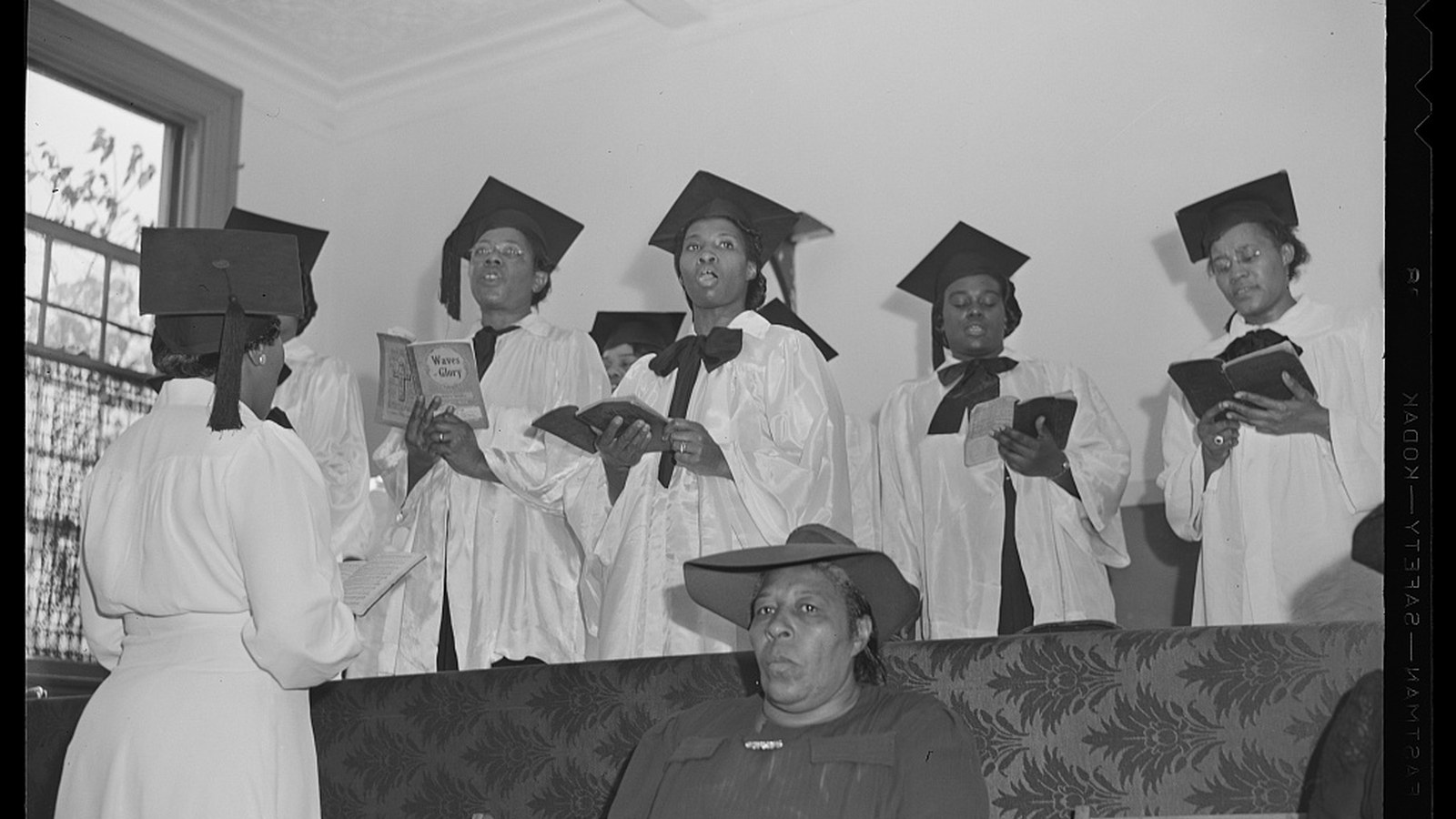
Gospel music does not live only inside a recording. It lives in a room, in the church aisle where a line is stretched until a congregation finds its breath, on the quartet stage where the lead singer testifies like a preacher, and in the convention choir where hundreds of voices become one body.
This CultureUp Gospel Legends Trail begins with five baseline artists and collectives: Shekinah Glory Ministry, The Canton Spirituals, Willie Banks and The Messengers, Troy Ramey and The Soul Searchers, and the GMWA Women of Worship. They do not all sit inside one narrow genre box. Together they map a wider sacred sound field: quartet gospel, Mississippi and Georgia gospel circuits, mass choir tradition, convention recordings, and contemporary Black church praise and worship.
Shekinah Glory Ministry: praise and worship as church born movement
Shekinah Glory Ministry belongs in the first trail because its sound is rooted in church life. Valley Kingdom Ministries International describes the ministry as an aggregate of psalmists, minstrels, dancers, banner ministers, and worship servants connected to the Valley Kingdom church community in the Chicagoland area. The core trail stop is Valley Kingdom Ministries International in Oak Forest, Illinois.
The gateway song is Praise Is What I Do. It became a breakthrough anthem and still works as one of the clearest entry points into Shekinah Glory Ministry. To hear more, look for Praise Is What I Do, Yes, Jesus, Before the Throne, Fall on Me, How Deeply I Need You, and Finished Work Reprise.
Shekinah Glory Ministry starter catalogue
| Song or performance | Why it belongs |
|---|---|
| Praise Is What I Do | Signature anthem and gateway song |
| Yes | Major congregational worship song |
| Jesus | Award recognized praise and worship anchor |
| Before the Throne | Deep worship catalogue entry |
| Fall on Me | Altar call atmosphere and live ministry force |
| Finished Work Reprise | Bridge to contemporary gospel audiences |
The Canton Spirituals: Canton, Mississippi to Memphis live memory
The Canton Spirituals give this trail one of its strongest historical roots. Malaco places the group in Canton, Mississippi, where Harvey Lee Pop Watkins Sr. founded the group in 1943. The group name itself becomes a place marker, and Canton belongs on the CultureUp map as a public memory anchor.
The second major node is Memphis. Live in Memphis carried songs including Mississippi Po Boy, Ride This Train, and I’m Coming Lord into a live album memory line. Greater Community Temple Church of God in Christ is a possible venue. The cited records leave the exact recording site unconfirmed.
The Canton Spirituals starter catalogue
| Song or performance | Why it belongs |
|---|---|
| Mississippi Po Boy | Place based testimony and signature memory song |
| He’s There All the Time | Major Canton Spirituals standard |
| Ride This Train | Live Memphis era quartet staple |
| I’m Coming Lord | Featured in the Live in Memphis memory line |
| Heavenly Choir | Deep catalogue favorite |
| Live in Memphis | Essential live album trail node |
Willie Banks and The Messengers: Mississippi quartet testimony
Willie Banks belongs in the first wave because his work sits at the center of Mississippi quartet memory. Malaco places Banks in Raymond, Mississippi, and traces his path through the Jackson Southernaires, the Southernaires tradition, and Willie Banks and The Messengers.
Banks’s quartet singing has the shape of a sermon, moving through melody, pleading, and testimony. Starter songs include Heaven Must Be a Beautiful Place, God’s Goodness, Show Me the Way, For the Wrong I’ve Done, God Is Still in Charge, Prayer Will Fix It, In the Name of Jesus, and Look at the Blessings.
Willie Banks and The Messengers starter catalogue
| Song or performance | Why it belongs |
|---|---|
| God’s Goodness | Major Messengers era song |
| For the Wrong I’ve Done | Grammy nominated catalogue anchor |
| Show Me the Way | Billboard recognized gospel LP era |
| Heaven Must Be a Beautiful Place | Early Messengers identity |
| Prayer Will Fix It | Popular listener entry point |
| In Concert Live | Live performance catalogue node with venue pending liner note verification |
Troy Ramey and The Soul Searchers: Atlanta’s quartet sermon in song
Troy Ramey and The Soul Searchers bring Georgia into the trail. Journal of Gospel Music connects Ramey to the Soul Searchers of Atlanta and to Brother Esmond Patterson’s WAOK Gospel Caravan programs. That makes Atlanta a living trail stop for radio, stage, and quartet circulation.
Great Change is a starting point for listening to the Soul Searchers. Bob Marovich’s 2018 remembrance identifies it as their 1972 Musicor hit and also names Save a Soul in Every Town and Ninety-Nine and One-Half Won’t Do as radio hits. The listening selection here also includes A Charge to Keep, Try Jesus, He Brought Me Out, and Call Jesus; those selections are not a ranking of chart performance.
Troy Ramey and The Soul Searchers starter catalogue
| Song or performance | Why it belongs |
|---|---|
| Great Change | Breakout national song |
| Save a Soul in Every Town | Signature quartet message song |
| 99 and One Half Won’t Do | Named among the Soul Searchers’ radio hits in Marovich’s remembrance |
| Try Jesus | A selection for listening alongside the group’s cited radio hits |
| He Brought Me Out | Live era catalogue entry |
| Call Jesus | Later live performance marker |
GMWA Women of Worship: convention gospel and the all women choir landmark
The GMWA Women of Worship entry begins with the Gospel Music Workshop of America itself. GMWA’s own history states that Rev. James Cleveland founded the organization in Detroit in 1967, creating a national and international forum for gospel music, education, performance, and preservation.
The Women of Worship catalogue turns on Order My Steps. Traditional Arts Indiana describes the 1993 recording of It’s Our Time in Indianapolis and identifies the project as a landmark all women choir release in gospel history. Indianapolis therefore becomes a major CultureUp trail stop.
GMWA Women of Worship starter catalogue
| Song or performance | Why it belongs |
|---|---|
| Order My Steps | Landmark women’s choir recording |
| It’s Our Time | Debut project and historical catalogue anchor |
| Why Did He Do It | Women of Worship listener entry point |
| Trust in God | Choir performance catalogue entry |
| You Are an Awesome God | Worship and choir crossover |
| Let the Praise Fill This House | Strong congregational title for future research |
The starter Gospel Legends Trail
First CultureUp trail stops
Liner notes, concert programs, and venue archives can help confirm where particular performances took place.
| Trail stop | Artist or collective | Song or performance node | Evidence status |
|---|---|---|---|
| Oak Forest, Illinois | Shekinah Glory Ministry | Praise Is What I Do and Fresh Fire live recording experience | Confirmed church and location anchor |
| Canton, Mississippi | The Canton Spirituals | Founding place and Harvey Watkins Sr. memory marker | Confirmed origin and public memory anchor |
| Memphis, Tennessee | The Canton Spirituals | Live in Memphis | Strong live recording node with final venue confirmation recommended |
| Raymond and Jackson, Mississippi | Willie Banks and The Messengers | God’s Goodness, For the Wrong I’ve Done, In Concert Live | Confirmed artist roots and live album with exact venue pending |
| Atlanta, Georgia | Troy Ramey and The Soul Searchers | WAOK Gospel Caravan circuit and Great Change | Confirmed city and circuit anchor |
| Indianapolis, Indiana | GMWA Women of Worship | Order My Steps and It’s Our Time | Confirmed recording city and landmark song |
Catalogue rules for CultureUp
A concert program can place an artist at a venue. An album booklet can connect a song to a particular recording. Check the relevant permissions before reusing audio, lyrics, album art, photographs, or video.
Evidence labels
| Label | Meaning |
|---|---|
| Confirmed venue | Venue name and city are supported by source or liner notes |
| Confirmed city | City is supported, but venue still needs verification |
| Community memory lead | Testimony or local memory points to a place and needs archival confirmation |
| Catalogue research task | Important entry, but source trail remains incomplete |
Where the catalogue grows next
For more quartet singing, listen to The Jackson Southernaires, The Williams Brothers, The Mighty Clouds of Joy, The Soul Stirrers, The Fairfield Four, The Pilgrim Jubilees, The Gospel Keynotes, and Lee Williams and The Spiritual QC’s.
For mass choir and convention recordings, look for Rev. James Cleveland, the GMWA Mass Choir, Mississippi Mass Choir, Georgia Mass Choir, Chicago Mass Choir, the Thompson Community Singers, and O’Landa Draper and The Associates. For praise and worship recordings, listen to William Murphy, Judith Christie McAllister, Byron Cage, Fred Hammond, Israel and New Breed, Bishop Paul S. Morton, and Tasha Cobbs Leonard.
The bottom line
The Gospel Legends Trail is not finished. It is designed to grow through church programs, live album liner notes, radio broadcasts, convention booklets, funeral resolutions, anniversary services, and family memory. CultureUp’s job is to gather those memories carefully, source them visibly, and give readers a way to follow the sound.
This first trail begins in Canton, Raymond, Atlanta, Detroit, Indianapolis, Memphis, and Chicagoland. It begins with songs people still sing when they need language for faith, grief, gratitude, endurance, and praise. The catalogue starts here because the music was never only heard. It was witnessed.
Source notes and correction path
To flag a song title, recording credit, or venue, use /corrections and include the liner notes, program, or other source you checked.