Start with a voice
Follow a performer, choir, speaker, or congregation through date, place, source, recording context, and public-memory meaning before turning the sound into a quote or clip.
Read Mahalia in the public squareAmerican music, gospel, radio, film, television, streaming, creator platforms, and the rights-sensitive source trails behind them.
Section thesis
Music and media are public-memory systems tied to churches, stations, catalogs, platforms, and local scenes, so CultureUp keeps the record trail visible instead of treating sound and image as ornament.
Publishing rule
Music and media stories must keep the sound, source, caption, credit, rights status, date, and institution close together.
Follow a performer, choir, speaker, or congregation through date, place, source, recording context, and public-memory meaning before turning the sound into a quote or clip.
Read Mahalia in the public squareA useful music page names performer, song, program, label or institution, date, rights status, and community context before making cultural claims.
Open the gospel source briefChurches, radio stations, schools, venues, labels, choirs, archives, newspapers, and local rooms are infrastructure, not background scenery.
Read hymns, migration, and choirsClips, photos, album art, transcripts, programs, and archival pages need credits, captions, permissions, source URLs, and sensitivity notes close to the media.
Review media credit standardsMusic and media coverage should lead with sound, institutions, radio, church, rights, and archive method. These published pieces are the best current entry points.
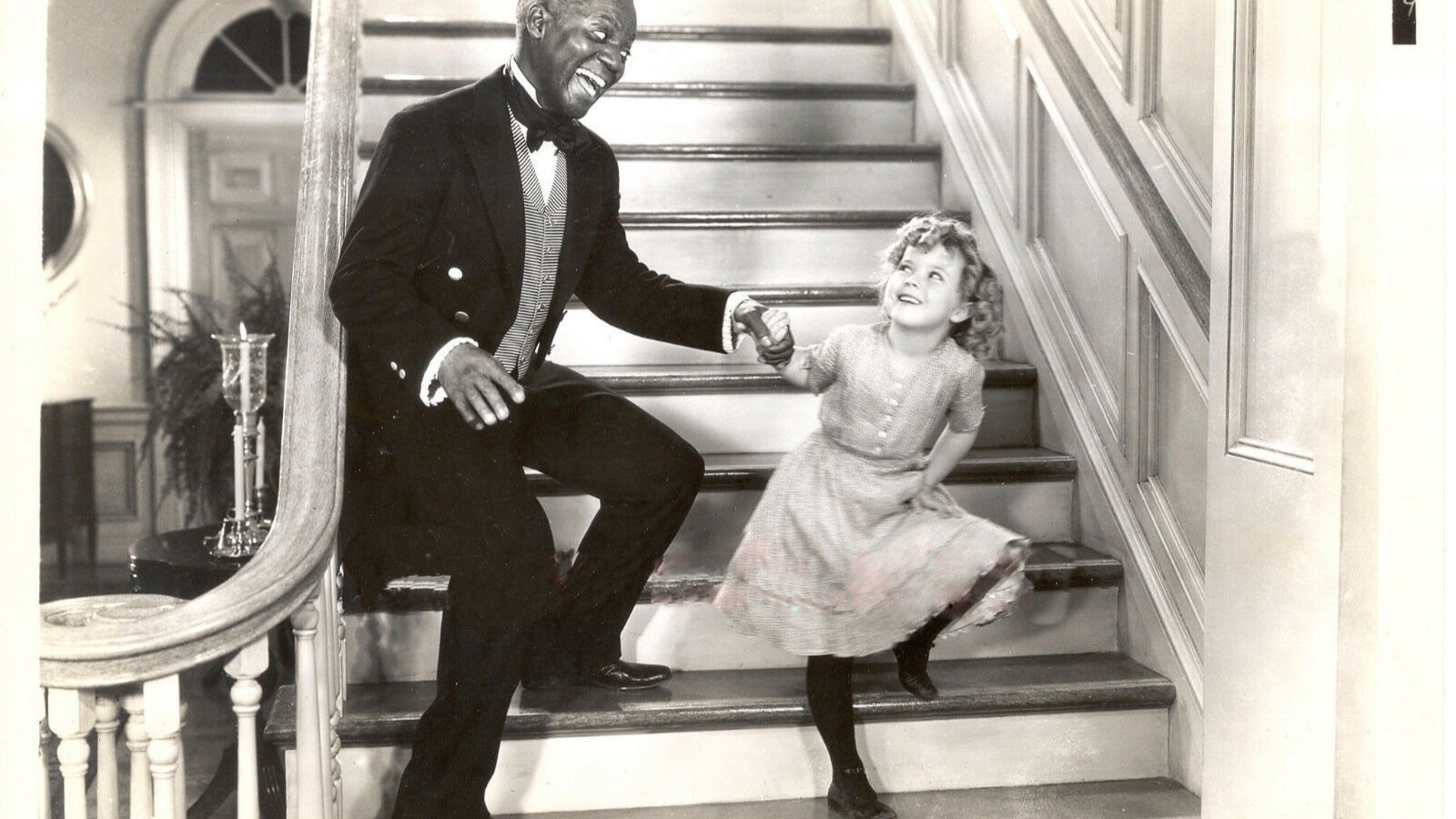
Music & Media / Black Public Memory
In 1935, Bill “Bojangles” Robinson and Shirley Temple made one of Hollywood’s most famous dance scenes. The public-memory version says a child reached for his hand because she “didn’t see color.” The real story is more powerful, and more uncomfortable.
Flagship Editorial
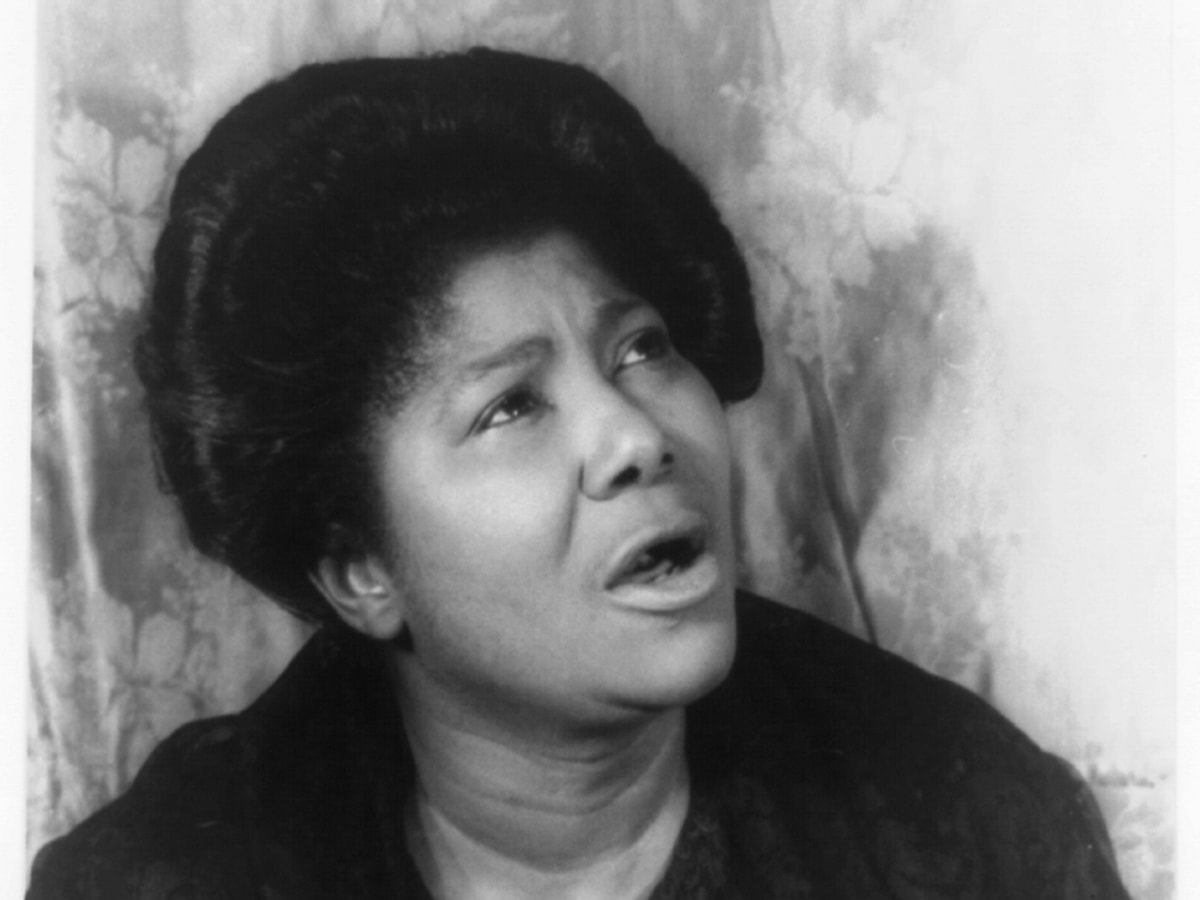
Gospel / Media
Mahalia Jackson’s public voice linked church sound, civil-rights gatherings, radio, television, and memory in ways biography alone cannot explain.
Culture Profile
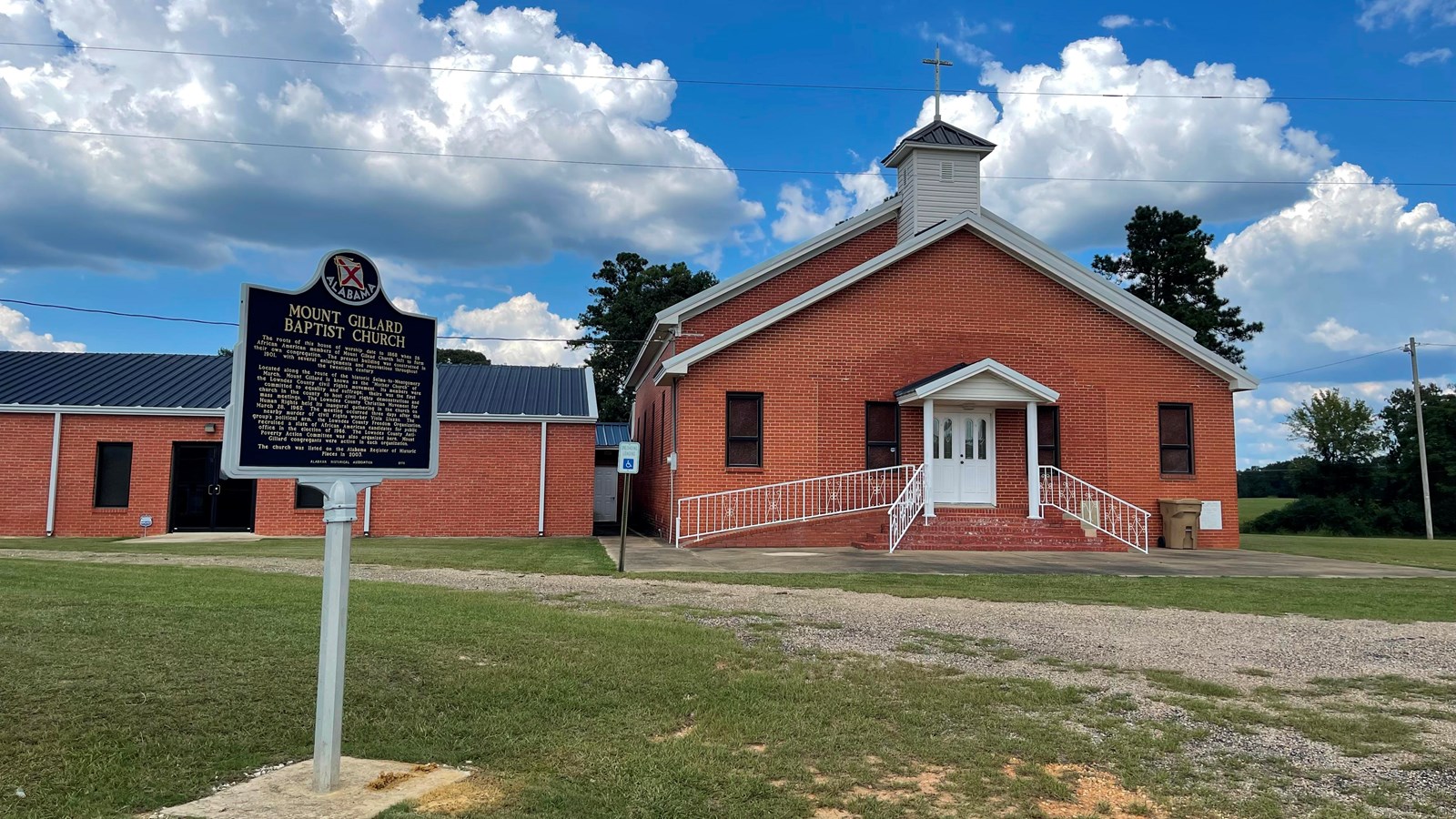
Gospel / Black Public Memory
CultureUp reads hymns, choirs, churches, migration routes, recordings, and public memory as linked records, not as nostalgic background music.
Short Brief
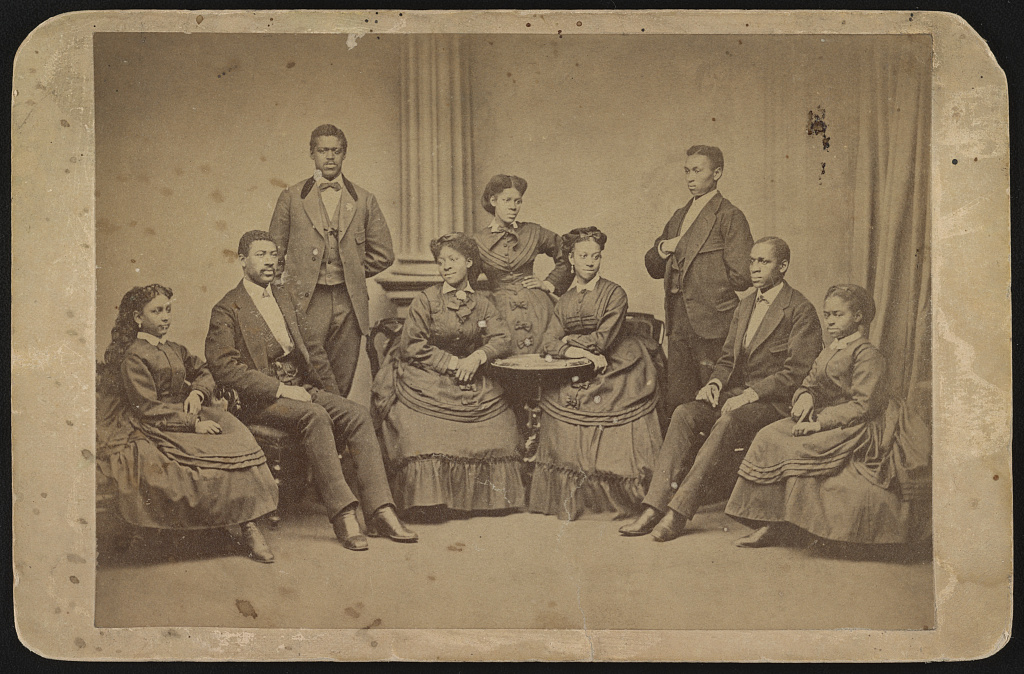
Gospel / Media
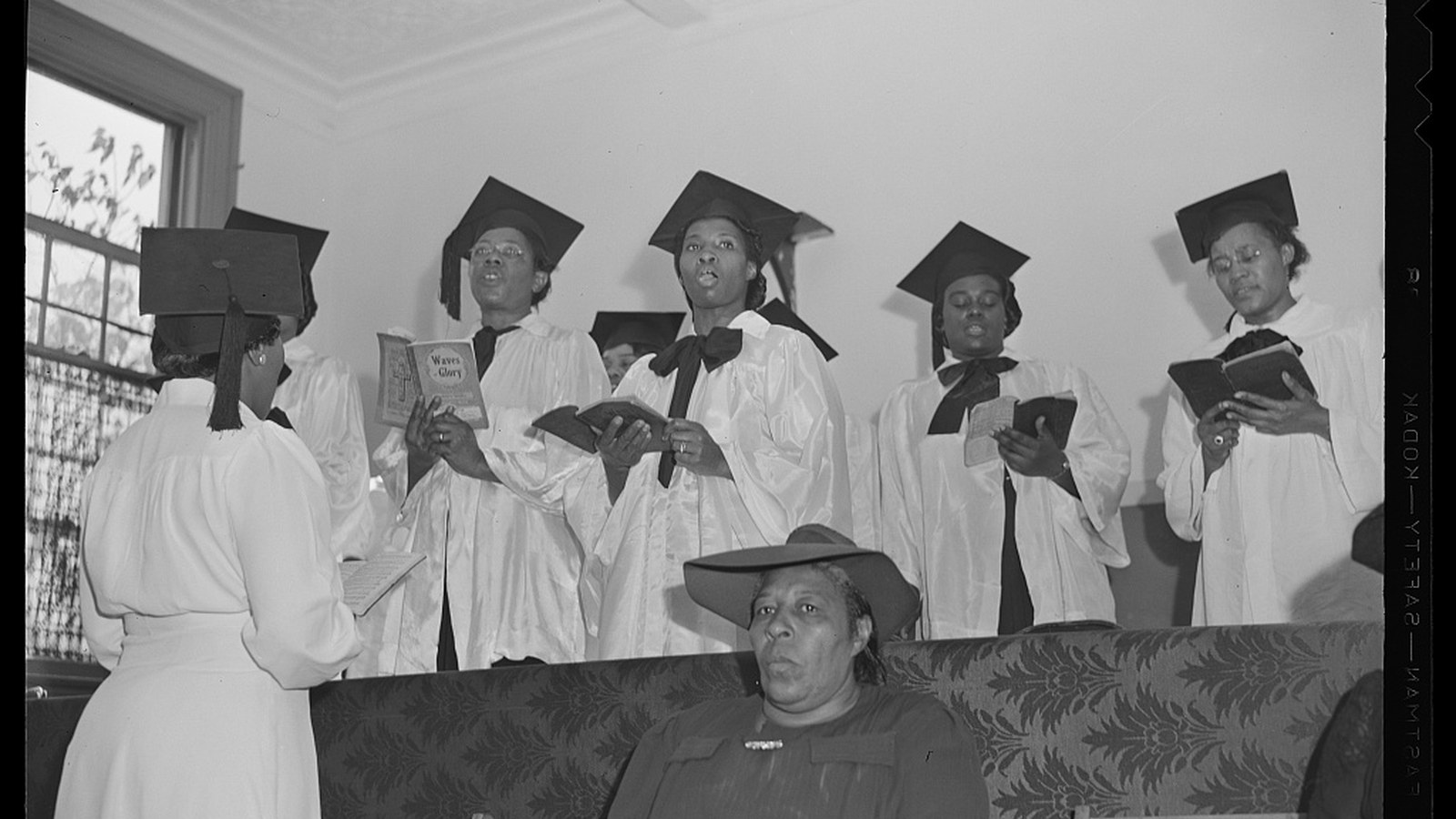
Gospel coverage needs recording date, performers, church or venue, label or archive credit, rights status, and reception history before a clip starts standing in for the whole tradition.
Short Brief
Black Public Memory
A family photo captioned as young Whitney Houston with her cousin Dionne Warwick opens a deeper story about Black musical inheritance, gospel training, kinship, and the family voices that shaped a global icon.
Flagship Editorial
This hub should become the table of contents for sound, screens, captions, archives, public performance, media literacy, and rights review. The lanes below define what belongs here before the next package build-out.
These are source-first assignments, not generic topic ideas. Each one has a media-rights or evidence gate before it should become a feature.
Build a station-and-city guide with call letters, broadcast dates, announcers, advertisers, church notices, and local newspaper evidence.
Turn one program into a source note with choir, pastor, date, venue, printer, sponsors, song list, and rights-aware image treatment.
Create a proof-limit guide for blog posts, upload dates, deleted links, screenshots, forum memory, platform metadata, and artist confirmation.
Publish a media-credit explainer that separates performer, photographer, designer, label, rights holder, and editorial-use context.
Music & Media needs more than enthusiasm and embedded clips. Each lane below has a source, caption, rights, and context gate before it should move from planning into reported publication.
Review the full sound packageMust have: Performer or choir, song or program, church or venue, date, source holder, recording or event context, rights status, and sensitivity note.
Publish when: The story can explain the sound as worship, public voice, institution, and media record without using sacred music as generic inspiration.
Must have: Station, market, date, announcer or program if known, listing or broadcast source, audience-measure limit, and ownership or community context.
Publish when: The story separates what the broadcast record proves from broader influence, popularity, or memory claims.
Must have: Original URL or archive capture, upload date, account or publisher context, repost history, permission status, transcript status, and privacy review.
Publish when: The page can show provenance without amplifying harmful, misleading, or unlicensed media.
Must have: Creator, performer, title, label or holder, publication date, source URL, rights note, caption, crop note, and alternate text.
Publish when: The visual can stand as evidence or context with credit intact, not as decoration.
These are the next depth targets after the current hub scaffold: each one starts with a verifiable opening move and a source path, not a generic genre overview.
Opening move: Start with a public performance moment, then show the church, recording, date, and source trail behind the voice.
Source path: Smithsonian Folkways, NMAAM context, church/program records, civil-rights performance sources, and item-level media rights.
Opening move: Explain what one dated broadcast listing can prove before turning it into a broader culture story.
Source path: Station records, local newspaper listings, announcer context, advertisements, chart data limits, and community notices.
Opening move: Treat one neighborhood as infrastructure for sound: churches, streets, clubs, schools, shops, radio, and newspapers.
Source path: Venue records, newspapers, city directories, migration context, maps, oral-history leads, and rights-cleared place media.
Opening move: Show readers how a viral music clip can lose date, owner, place, and consent as it moves across platforms.
Source path: Original uploads, archive captures, screenshots, metadata, creator confirmation, platform policy context, and copyright review.