Skip to content
Browse CultureUp
Culture

Culture

Culture coverage for arts, identity, memory, music, film, food, style, history, ideas, and everyday public life.

Culture CultureUp category image

Reader path

Stories with context. Use this section to find CultureUp stories, reader guides, and contribution paths.

Section archive

Culture reading shelf

A curated first page stays fast while the full CultureUp library remains searchable through Explore, the sources library, and the sitemap.

Curated view

Showing 15 of 42

How to read this lane

Culture works best here when readers treat art, memory, and identity as evidence-bearing public life, not just commentary.

CultureUp culture pages are meant to slow a reader down just enough to see the institution, archive, performance, place, or community record underneath the subject. Some pages are artist- or archive-centered. Others are public-memory or media-system explainers. The goal is to show why the subject matters and how the record, caption, date, or institution changes the meaning.

Reader checks

  • Ask what institution, archive, performance, place, or community record is carrying the cultural claim.
  • Look for the difference between a public-memory explainer, a reported feature, and a media-rights or source-literacy guide.
  • Use source notes and related reading when a cultural claim risks becoming atmosphere instead of evidence-bearing context.

About this section

Read culture through places, people and records.

Culture coverage here should help readers see how art, identity, memory, and everyday public life are shaped by records, institutions, communities, and media systems rather than trend chatter alone.

CultureUp treats culture as evidence-bearing public life. The goal is not to gesture at relevance, but to show why a work, figure, archive, or place matters and how we know it.

Questions to ask here

  • What institution, archive, performance, or community record anchors this cultural claim?
  • Is the page treating culture as lived public memory, not just commentary?
  • Which stories here best introduce a new reader to the CultureUp approach?

Start here

Stories to start with.

Why trust this site

Sources, standards and corrections.

Follow the sources behind the stories, read our editorial standards or request a correction.

Editorial standards

See how CultureUp labels evidence, handles scope, and keeps public-memory claims disciplined.

Sources library

Open the source index to inspect institutions, collections, and records behind the reporting.

Corrections path

Readers can submit corrections and source notes through a visible, standing update route.

Media rights

Review how CultureUp treats captions, credits, permissions, and reusable editorial media.

Featured story

A closer look.

Ask what institution, archive, performance, place, or community record is carrying the cultural claim.

Latest in Culture

Follow the latest source-guided coverage.

Look for the difference between a public-memory explainer, a reported feature, and a media-rights or source-literacy guide.

First Africans in Virginia historical marker at Fort Monroe, Virginia.

Public Objects / Field Notes

A Historical Marker Is a Doorway, Not the Final Word

Historical-marker stories need inscription, sponsor, date, source trail, geography, silences, and later corrections before readers treat a sign as history.

Research DeskApr 30, 2026 / 4 min read

Short Brief

More in Culture (27)

Media Credits

Public Domain Does Not Mean Context-Free

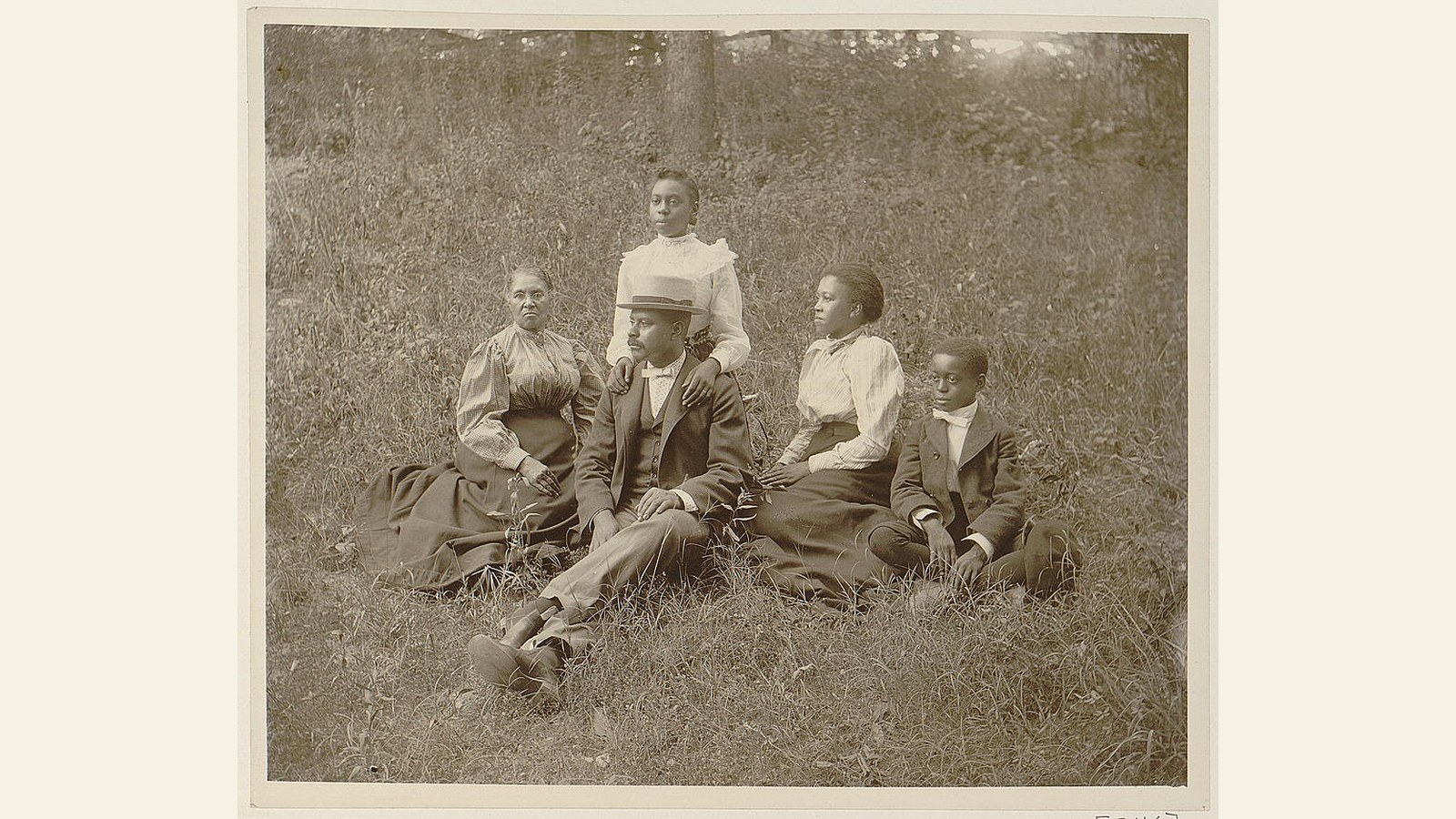
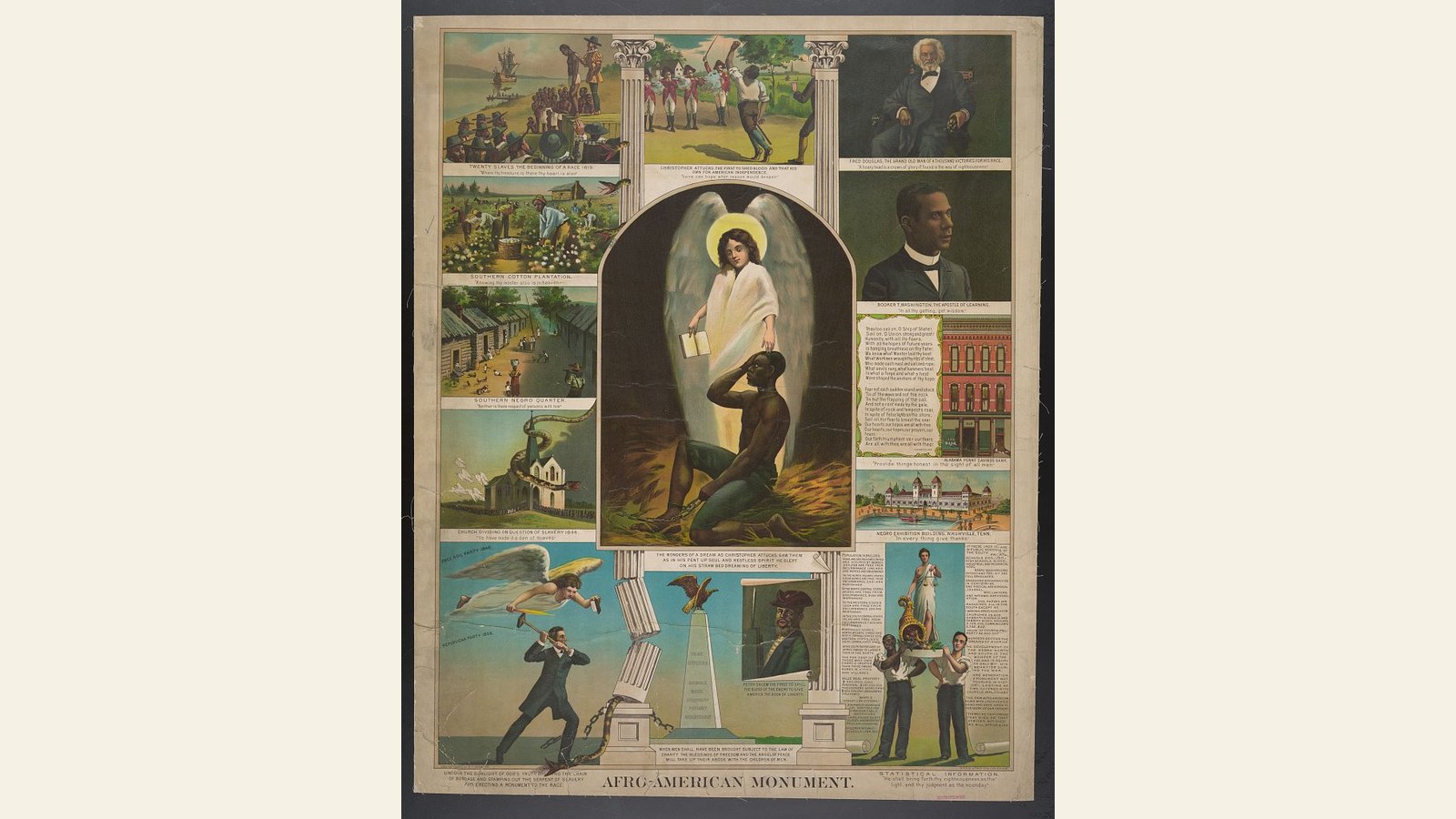
Public-domain images still need creator, caption, collection, date, subject context, dignity review, and source link before they become responsible media.

Media DeskApr 30, 2026 / 7 min read

Media

Black Public Memory / Churches

Black Churches Are Public-Memory Infrastructure

A Black church can be a sanctuary, school, meeting house, organizing room, music archive, burial marker, and record of community continuity. CultureUp reads church sites as public-memory infrastructure, not scenery.

CultureUp EditorsApr 30, 2026 / 9 min read

Feature Story

Black Public Memory / Cemetery Memory / Sensitive Records

Cemetery and Memorial Records Need Care Before They Become Public Memory

A cemetery record can name a person, place, marker, or institution. It cannot carry the whole story by itself. CultureUp reads burial and memorial records through source limits, descendant care, local stewardship, and correction paths.

Standards DeskApr 30, 2026 / 10 min read

Short Brief

Place & Institutional Memory

At Western Branch, Black Louisville Built More Than a Bookshelf

A Louisville library connected access to books with professional training and community space. Its history belongs to the people who made the institution work, not only to the donor whose money helped build it.

CultureUP Editorial Desk2026-11-08 / 7 min read

Flagship Editorial

Place & Institutional Memory

Boley Was a Town, Not Just a Promise

Banks, classrooms, a newspaper and public utilities gave Black self-government an everyday shape in an Oklahoma town. The institutions matter as much as the reputation they helped create.

CultureUP Editorial Desk2026-11-08 / 7 min read

Flagship Editorial

Place & Institutional Memory

Fort Mose Was a Community, Not Only a Fort

Household objects, village records and a modern reconstruction offer different ways to remember the Black community north of St. Augustine.

CultureUP Editorial Desk2026-11-08 / 7 min read

Flagship Editorial

Place & Institutions

The Church Belonged to a Settlement

On Cumberland Island, a small church connects Black community life with land, work and rebuilding, rather than standing apart as an isolated landmark.

CultureUP Editorial Desk2026-11-08 / 7 min read

Flagship Editorial

Place & Institutions

Weeksville's Houses Kept a Community in View

In Brooklyn, preserving a cluster of homes became a way to keep Black neighborhood history available to another generation.

CultureUP Editorial Desk2026-10-08 / 4 min read

Flagship Editorial
Culture & Place

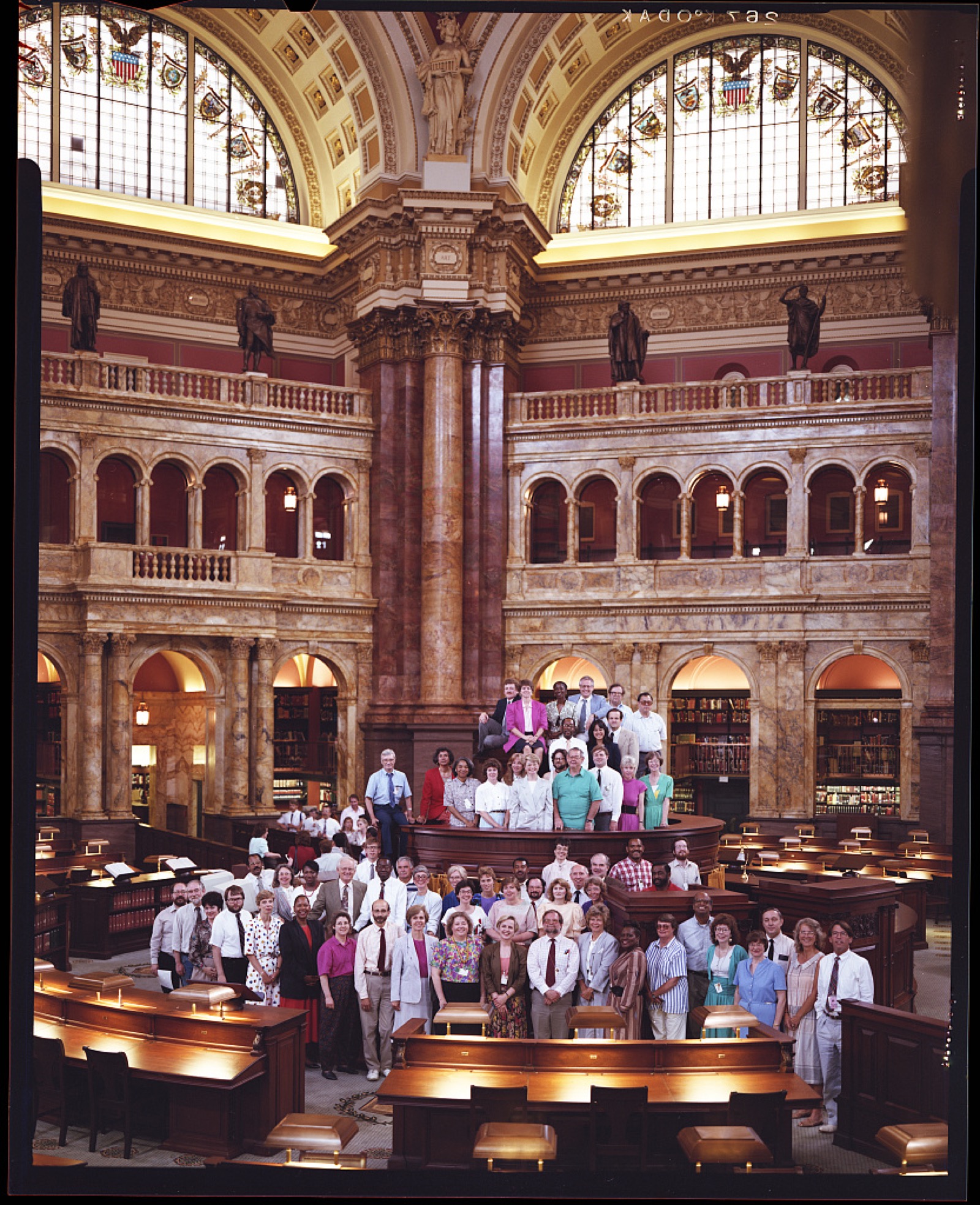
Did Atlanta Betray Greenbriar and Atlanta Transit?

Southwest Atlanta was told More MARTA would accelerate light rail on Campbellton Road. Today the official project is bus rapid transit. CultureUp reads the public record through Greenbriar, place memory, and civic trust.

CultureUp Editorial Desk2026-05-30 / 13 min read

Flagship Editorial

Culture & Place

The Great Remapping of Black Atlanta

Black Atlanta did not disappear. It spread across a wider region. The question now is who gets to shape the map.

CultureUp Editorial Desk2026-05-20 / 9 min read

Flagship Editorial

Culture & Place

Who Was Left Behind When Black Atlanta Remapped?

Atlanta's homelessness crisis may be one of the human afterimages of displacement: not only housing loss, but the rupture of Black care networks that kept vulnerable residents indoors.

CultureUp Editorial Desk2026-06-03 / 12 min read

Flagship Editorial

Music & Public Voice

A Theatre Address Is Part of the Music's History

Washington's Lincoln Theatre connects a performance room with U Street's Black institutional life, constrained access and a later reopening.

CultureUP Editorial Desk2026-11-08 / 7 min read

Flagship Editorial

Health & Care

Medical Education Needed a Place to Live

Shaw University's Leonard medical catalog places buildings, boarding and books beside professional training, making the practical conditions of Black medical education visible.

CultureUP Editorial Desk2026-11-08 / 7 min read

Flagship Editorial

Health & Care

A House Became a Place of Care

Dunbar Memorial Hospital's first address connects Detroit's Black medical organizing with care, training and the memory of an institution that moved.

CultureUP Editorial Desk2026-10-08 / 4 min read

Flagship Editorial
Black Church Memory / Place Records

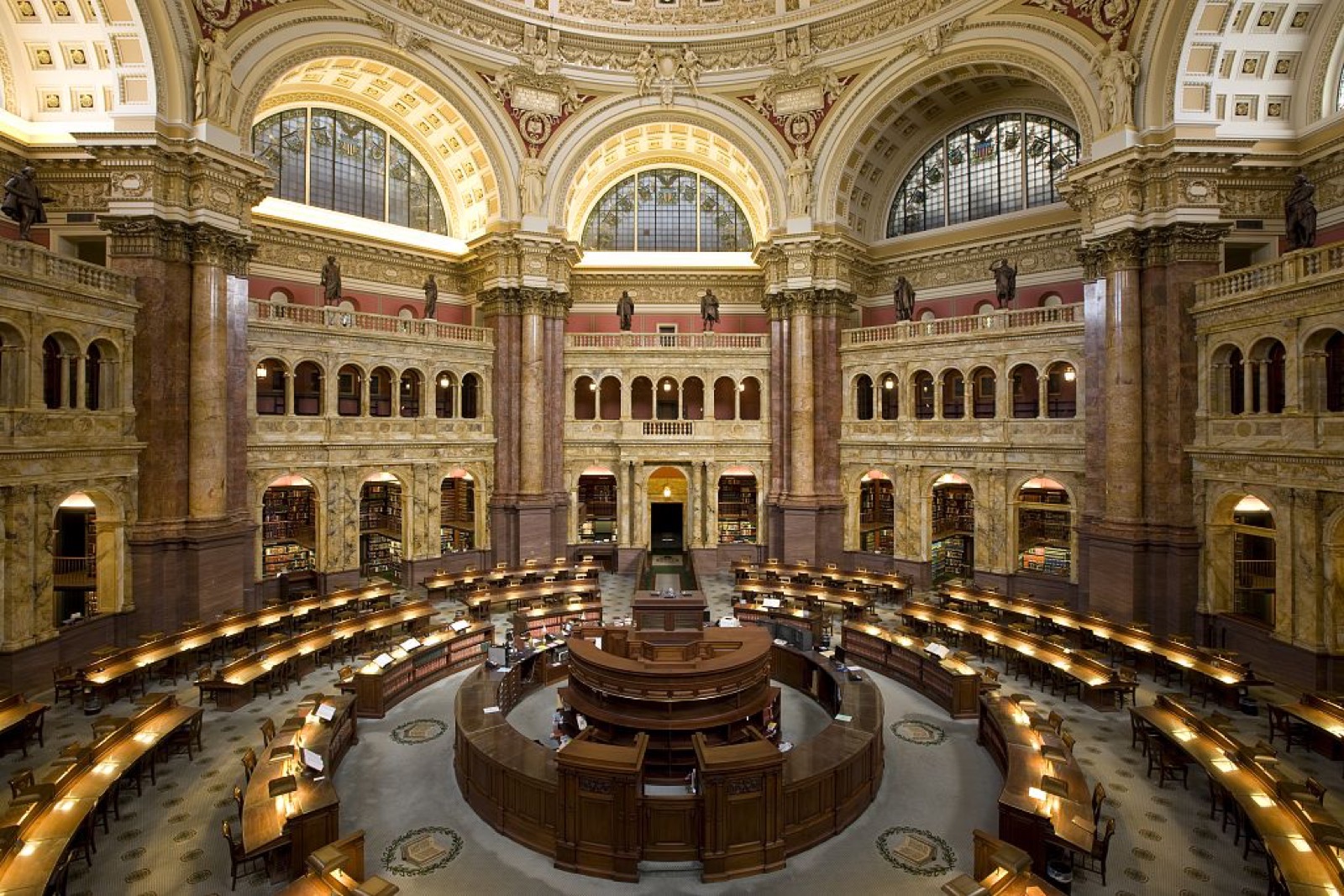
Mother Bethel Was Kept by More Than One Name

Richard Allen's name anchors Mother Bethel's history. A surviving indenture, successive buildings and the church's organizational records bring collective stewardship into view alongside its founder.

CultureUP Editorial Desk2026-10-08 / 4 min read

Flagship Editorial
Civic & Institutional Memory

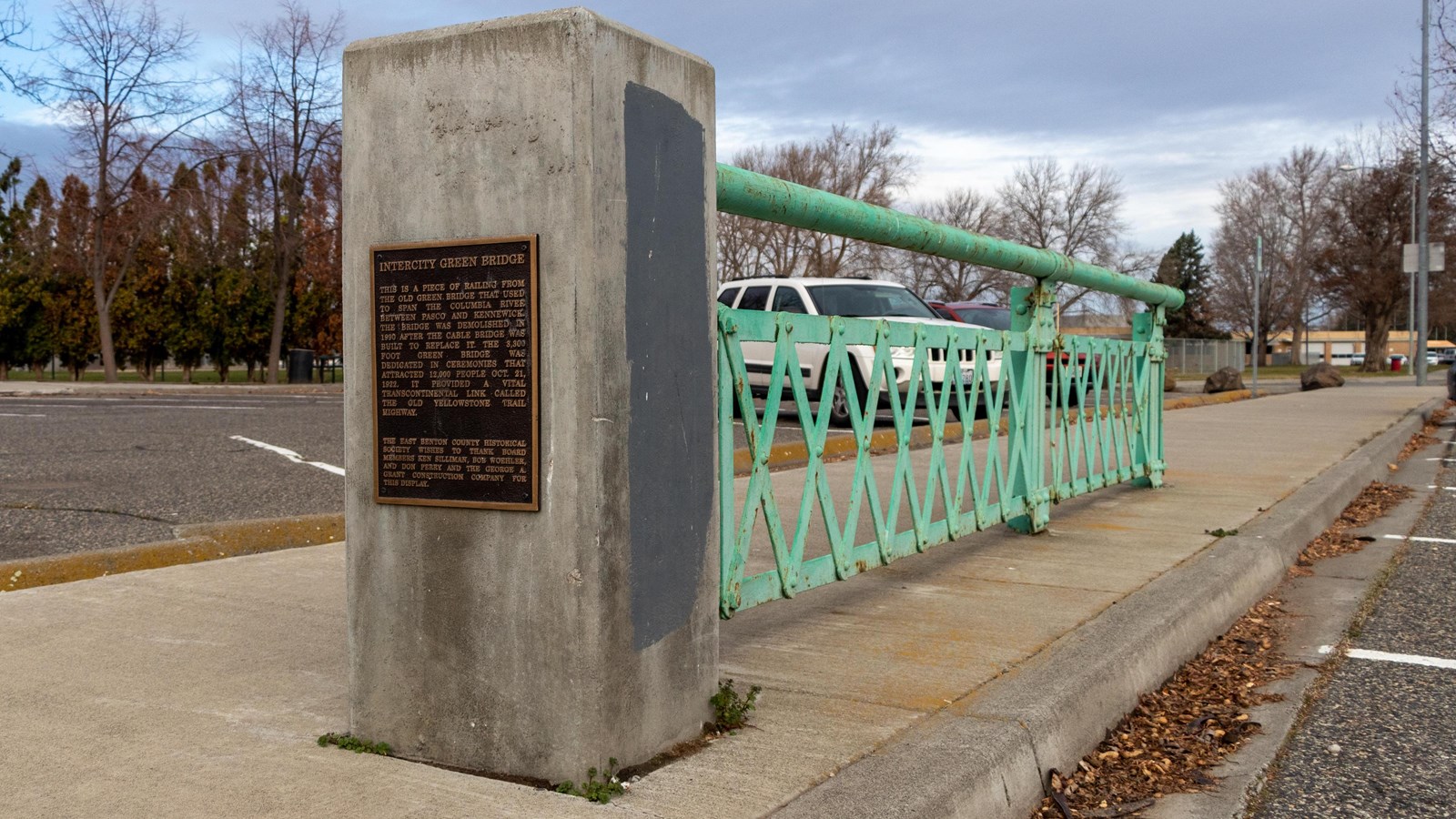
At Nicodemus, Self-Government Had a Gathering Place

A Kansas township hall joined voting, music and community gatherings. The building belongs to a longer history of Black settlement and families sustaining a place beyond its early hopes for growth.

CultureUP Editorial Desk2026-10-08 / 4 min read

Flagship Editorial
Music & Institutional Memory

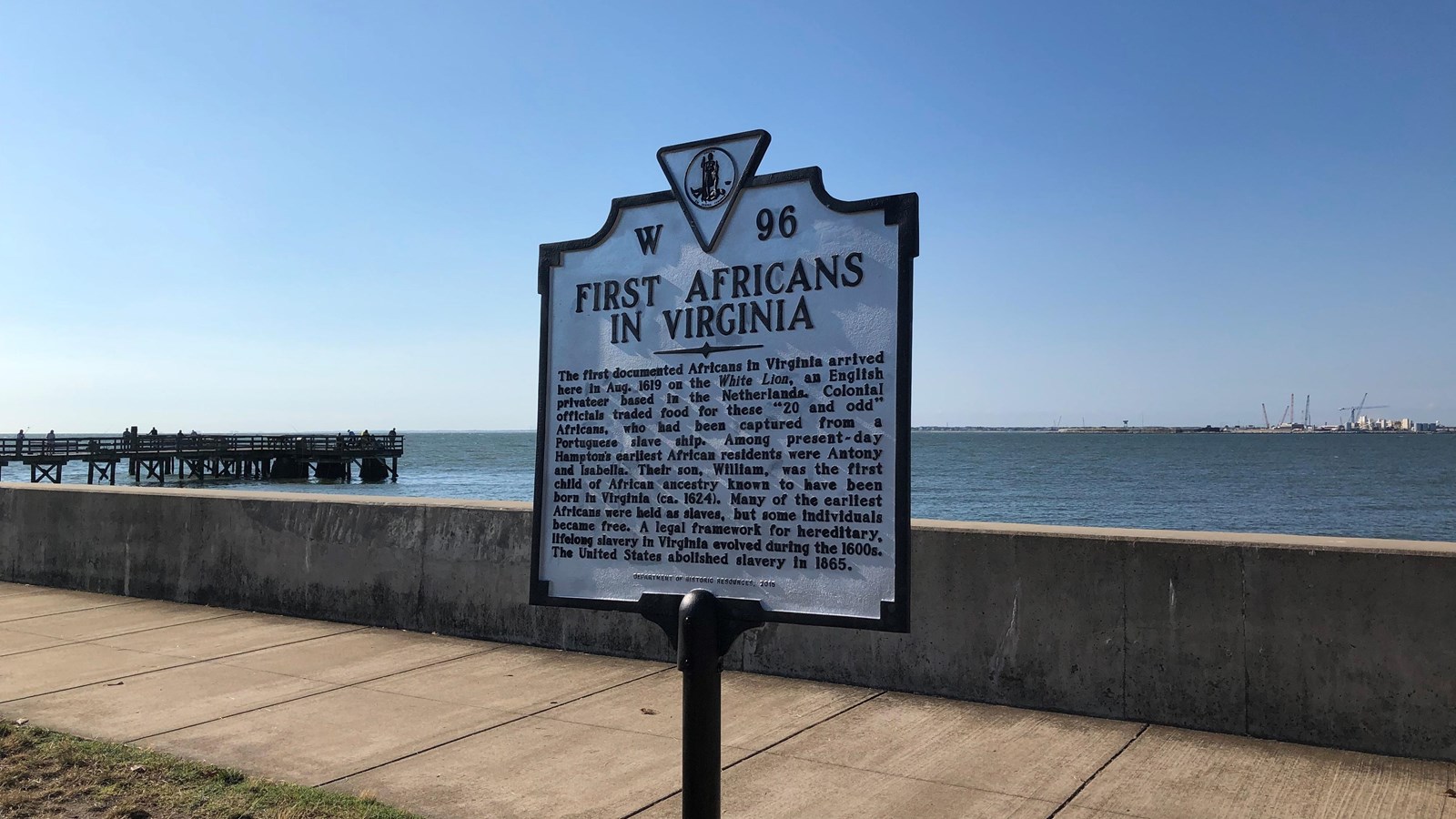
At Fisk, the Singers' Work Became a Building

The Jubilee Singers' fundraising connects Black musical memory to a Nashville school, a permanent campus and the records of the people who made that connection possible.

CultureUP Editorial Desk2026-10-08 / 4 min read

Flagship Editorial

CultureUp Dispatch

Join the CultureUp Dispatch.

Get stories with sources attached, public-memory features, music and media updates, and community calls without the noise.

Source notes includedMusic and media notes

By subscribing, you agree to receive CultureUp Dispatch emails. Confirm your address through the double opt-in email; unsubscribe at any time. See our Privacy Policy.