Opening context
A cemetery record is never only a database row.
It can name a person, a date, a burial place, a grave marker, a cemetery association, a veteran record, a church connection, a family plot, or a local memory that still needs care. It can also leave out the things a family, church, neighborhood, or descendant community may know but the public record does not show.
That is why CultureUp treats cemetery and memorial records as sensitive public-memory material. A burial record may be public, but public access does not erase grief, stewardship, family meaning, or the limits of the source.
A responsible CultureUp cemetery note should separate five layers: the visible marker, the cemetery record, the institution holding the record, descendant or community memory, and CultureUp’s interpretation. Those layers may support one another. They should not be merged without explanation.
What the record can show
A cemetery or memorial record can help verify a name, a date, a place, an inscription, a cemetery section, a public memorial, a veteran designation, a church connection, or a local institution involved in burial or commemoration.
That evidence matters. It can restore names to public view. It can connect a family to a place. It can show how a Black community remembered its dead when other public institutions ignored, misnamed, displaced, or under-recorded them.
But the source should only be asked to carry what it can carry.
CultureUp’s rule is simple: name the record, name the holder, describe what the source verifies, and describe what remains open.
Read the holder before reading the claim
A cemetery record should always be read with its holder in view. A city database, a church cemetery list, a preservation inventory, a funeral-home register, a veteran burial card, a National Register nomination, and a photograph of a marker do not carry the same kind of authority. They may point toward the same person or place, but they were created for different reasons.
CultureUp readers should ask who created the record, when it was created, what the record was meant to do, and what information the record holder did not collect. A preservation inventory may document a marker and condition. A church record may preserve congregation context. A public database may help locate a burial. A photograph may preserve an inscription but not the surrounding family story.
Separate marker, database, map, and memory
A careful cemetery article should not merge every source into one sentence. The marker is one layer. The database is another. The cemetery map is another. A newspaper notice, funeral program, church record, or preservation report may add still another layer. The strongest public-memory work names each layer so readers can see where the claim comes from.
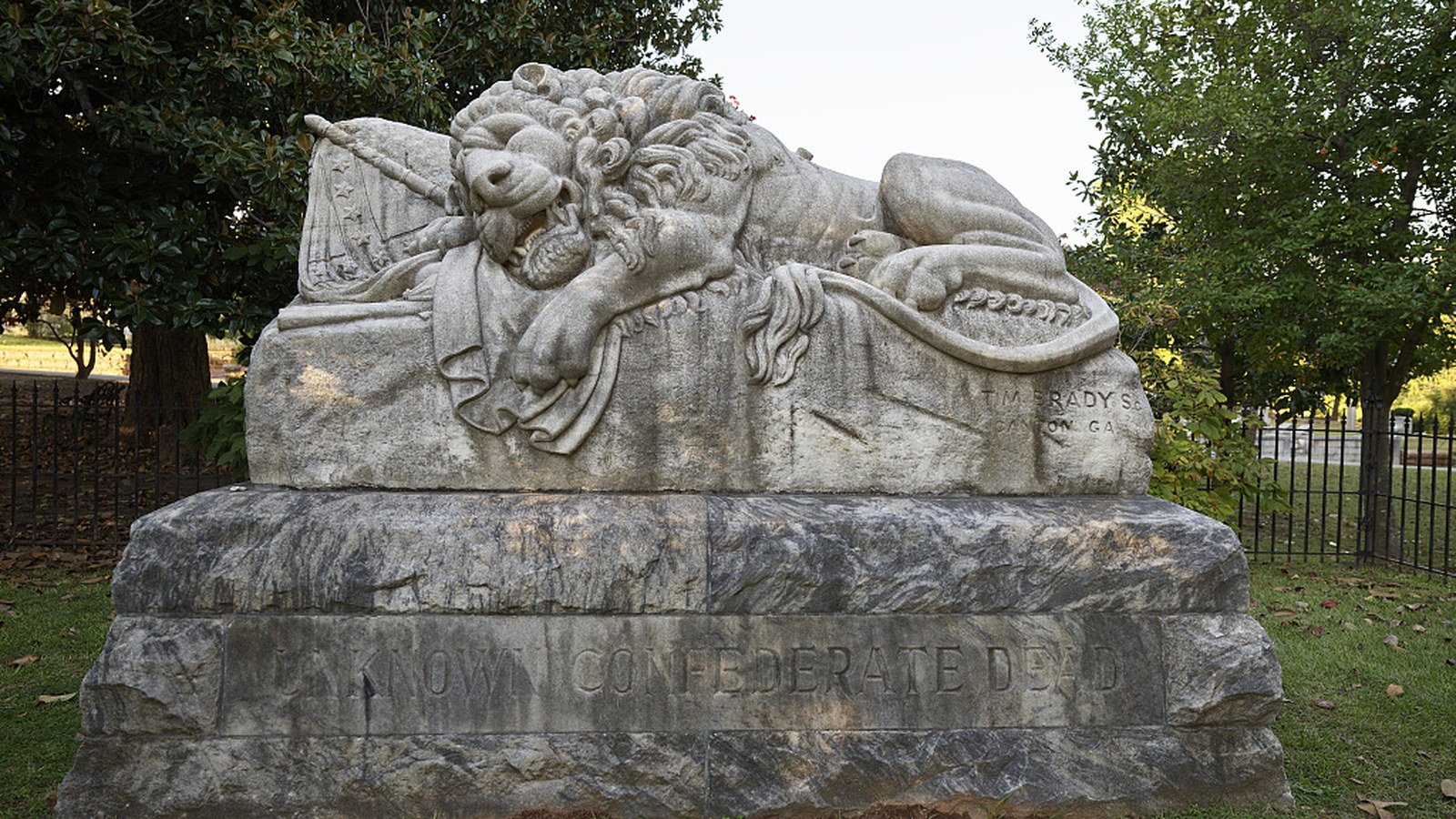
For example, a marker may support a spelling, date, inscription, symbol, or military designation. A cemetery map may support location within a burial ground. A preservation plan may support condition, stewardship, repair, access, or historic designation. None of those records automatically proves every family relationship, community meaning, or descendant preference.
Care is part of the source trail
Burial memory is not ordinary content. Even when a record is public, the subject remains someone’s ancestor, church member, neighbor, elder, child, veteran, teacher, organizer, or kin. CultureUp should preserve names and records with care, not use them as decoration for a general history page.
That means a cemetery story should avoid sensational images, crowded ad layouts, unsupported family claims, and language that treats graves as discovery objects. The article should make space for correction, removal requests where appropriate, and stronger sources from local stewards.
A CultureUp cemetery checklist
Before a cemetery record becomes a public-memory article
| Question | Why it matters |
|---|---|
| Who holds the record? | The holder explains the source type, authority, and limits. |
| What exactly does the record verify? | The page should not ask one record to prove a whole life. |
| Is there a marker, map, or image? | Images need alt text, caption, credit, rights status, and sensitivity review. |
| Is descendant or community context involved? | Public access does not remove care obligations. |
| What remains open? | A visible uncertainty note protects the reader and the memory. |
What a stronger future version would add
A stronger version of any cemetery story would add a named cemetery record, a marker photograph with rights status, a public preservation plan, local archive context, church or institution records when public, and a clear note about who stewards the place now. If descendants, churches, cemetery associations, or local preservation groups have public statements, those sources should be named directly and kept distinct from CultureUp interpretation.
When a reader brings a stronger source, missing credit, local archive, cemetery-held record, stewardship note, or correction, CultureUp revises the source trail rather than stretching the current record beyond what it can support. Public memory gets stronger when the record improves.
What the record does not show
A cemetery record alone does not prove a full biography, family relationship, cause of death, community consensus, lineage, identity, or the present wishes of descendants.
A grave marker may be accurate. It may also be incomplete, damaged, replaced, moved, mistranscribed, or interpreted through later institutional language. A cemetery database may help locate a burial, but it may not explain the life, the kinship network, the church, the neighborhood, or the conditions that shaped the burial.
That limit is not a weakness. It is the trust contract.
If a future editor wants to go beyond the attached source trail, the next version should add reviewed cemetery records, church records, land records, funeral programs, local newspapers, descendant-community statements, preservation files, or public archival documentation.
Why this belongs on CultureUp
Burial memory belongs on CultureUp when it is rooted in place, family continuity, church memory, local stewardship, public records, or Black public memory.
The point is not to turn graves into content. The point is to protect the record from being flattened.
A careful cemetery page helps readers ask better questions: Who is named? Who is missing? Who holds the record? Who maintains the site? What does the marker say? What does the database say? What does the local community know? What should not be published without permission?
Reader pathway
This guide should sit beside CultureUp pages on Black church memory, community consent, source notes, public objects, and media-credit standards.
Related CultureUp records for this page are /stories/black-church-public-memory, /stories/community-stories-need-consent-context, /stories/field-guide-to-reading-monuments, /stories/what-makes-a-source-note-useful, /stories/archive-image-before-you-share. These internal links should be treated as a reading path, not as filler.
What remains open
This article should be read as a method piece, not a complete history of any one cemetery, marker, family, or descendant community.
A fuller version of this story would add cemetery ledgers, church records, local preservation files, congregation histories, oral histories, funeral programs, maps, and stewardship notes. That deeper trail would allow each site to be read on its own terms instead of being used only as an example.
Source trail
This page uses CultureUp editorial standards, cemetery-memory method guidance, public-source discipline, and media-credit rules. It does not use African Burial Ground as a CultureUp core source frame.
Correction path
If a reader knows a stronger source, missing credit, local archive, cemetery-held record, stewardship note, or correction, the source trail can be corrected rather than stretched beyond what the current record can support. Public memory gets stronger when the record improves.