Start with place
Burial grounds, churches, neighborhoods, schools, and civic sites are not background. They are where records, stewardship, memory, and public conflict meet.
Read the Black Atlanta place storyLong-rooted Black American memory through records, institution-building, music, burial grounds, churches, newspapers, place stories, and community knowledge.
Section thesis
CultureUp starts with Indigenous Black memory because the public record becomes clearer when readers can follow Black institutions, records, sound, land, family continuity, and public memory as central evidence rather than side context.
Language rule
CultureUp uses Black American as the broad default and does not use African American as an automatic synonym. Use African American only when self-identification, source context, official names, academic fields, quotes, or historical context specifically call for it.
Burial grounds, churches, neighborhoods, schools, and civic sites are not background. They are where records, stewardship, memory, and public conflict meet.
Read the Black Atlanta place storyIndigenous Black memory on CultureUp follows institutions as infrastructure: churches, banks, newspapers, schools, mutual aid, choirs, and local rooms where public life is built.
Read the Black church memory storySpirituals, gospel, choirs, public performance, radio, and recordings are treated as public memory with dates, places, credits, and source paths attached.
Read the hymn and migration guideEvery claim should point somewhere: archive records, official sources, item-level media rights, captions, correction paths, and plain-language limits.
Open verified source notesBlack American patent records show invention, property capacity, citizenship, assignment, commercial visibility, and the archive gaps that still need source discipline.
Open the patent hubCultureUp keeps published Indigenous Black memory work tied to visible source notes, media credits, correction paths, and plain-language limits. The broader foundation package remains accessible but noindexed until it is finished and source-complete.
Source Index
Keeps public source notes, rights signals, story context, and correction paths attached to published CultureUp work.
Patented Memory
Maps Black American patent holders by grant rank and unique-holder rank while keeping X-patent loss, Baker-list recovery, source limits, and identity caveats visible.
Stories
Collects the current CultureUp core shelf: place memory, church memory, music and media memory, public records, and civic institutions.
Church Memory
Shows how churches, choirs, sermons, local rooms, and civic life carry public memory when source context is visible.
Cemetery Memory
Routes burial grounds, cemetery records, memorials, archaeology, and stewardship through place-based source discipline.
Music & Media
Connects gospel, spirituals, captions, image credits, recordings, and broadcast memory to public source trails.
Corrections
Gives readers a direct path to challenge source use, captions, image credits, dates, names, and public-memory framing.
Start with the strongest Black public-memory and institution-building pages already published, then move into the package foundation and broader story shelves.
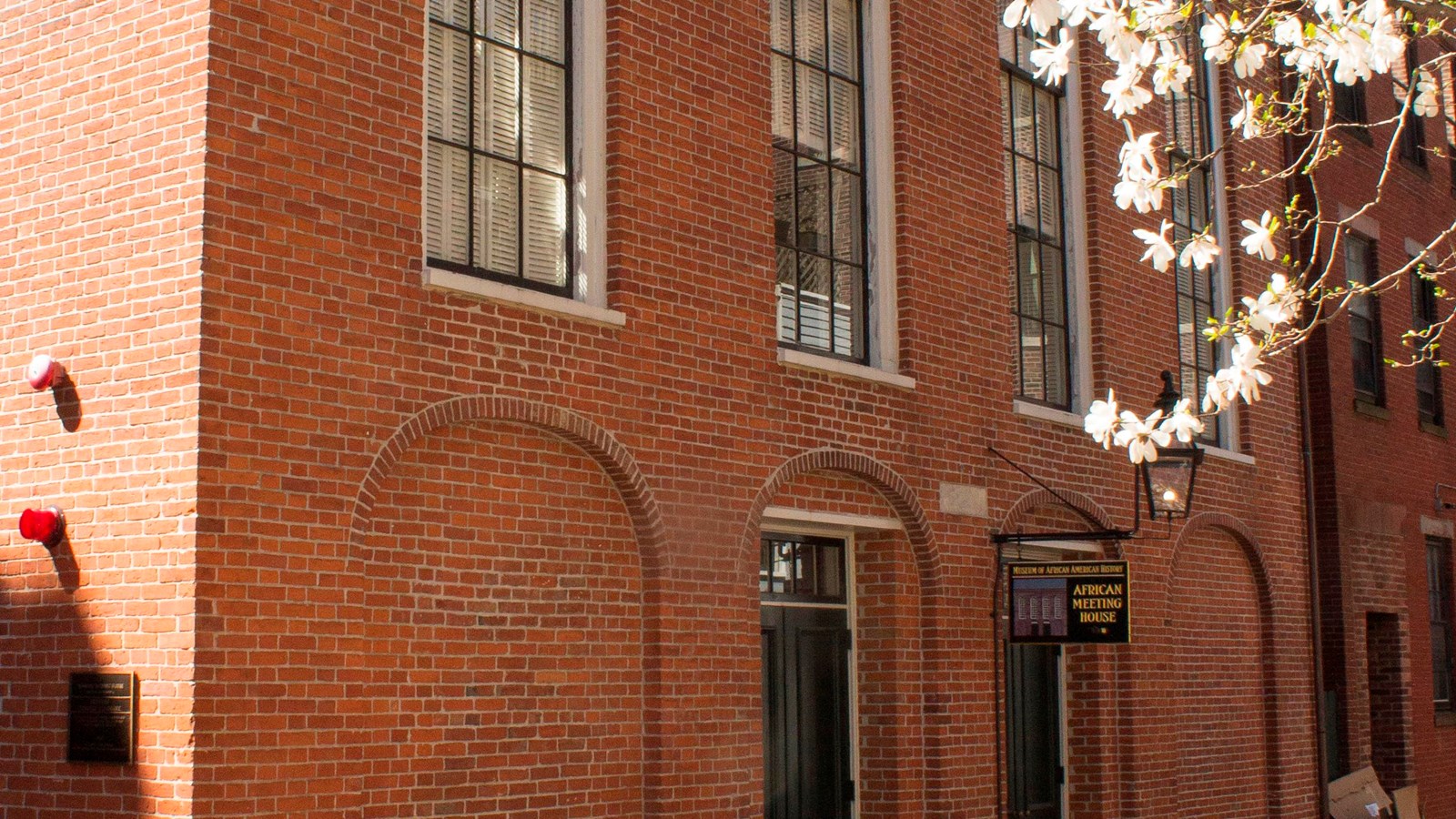
Black Public Memory / Churches
A Black church can be a sanctuary, school, meeting house, organizing room, music archive, burial marker, and record of community continuity. CultureUp reads church sites as public-memory infrastructure, not scenery.
Feature Story
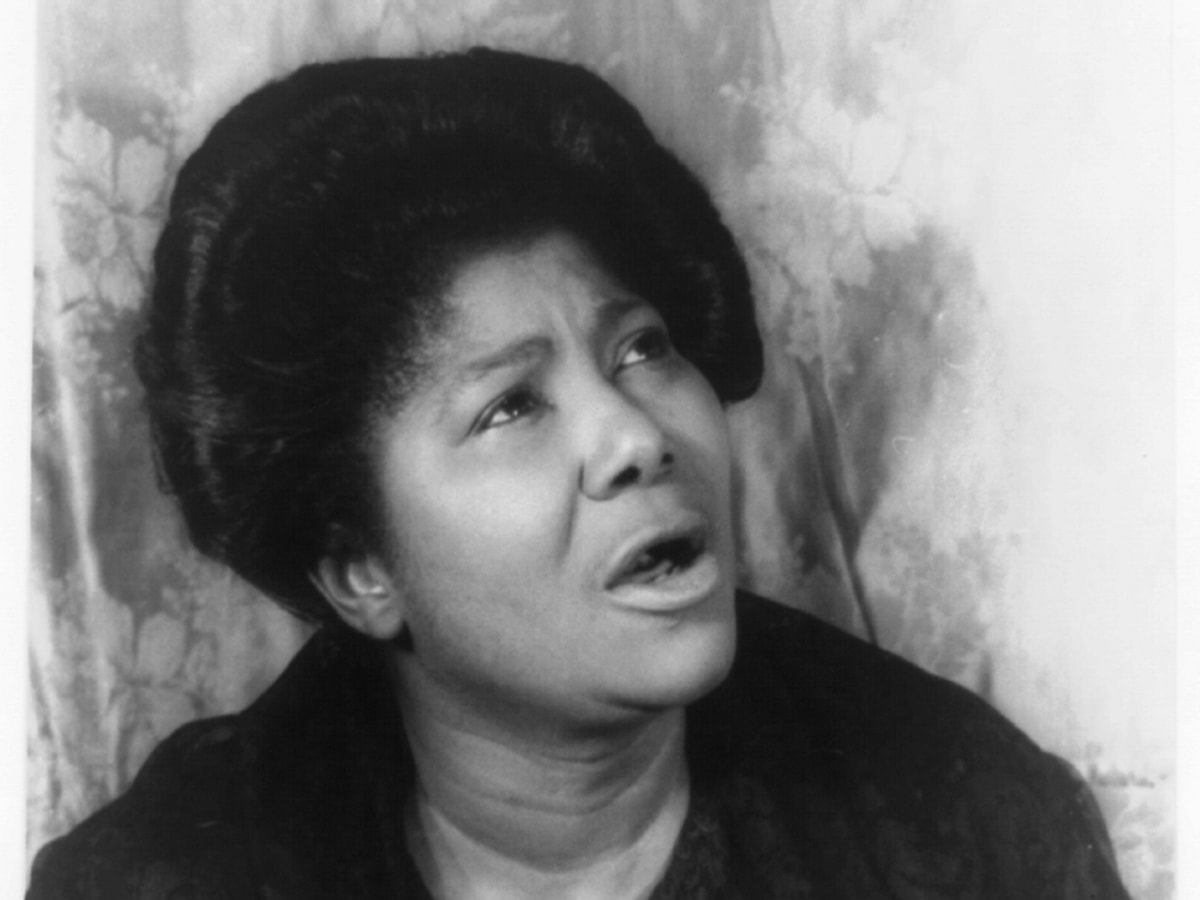
Gospel / Media
Mahalia Jackson’s public voice linked church sound, civil-rights gatherings, radio, television, and memory in ways biography alone cannot explain.
Culture Profile
These are the pieces a new reader should meet first: place memory, church infrastructure, institution-building, sound, public performance, and source discipline.
Black Public Memory / Churches
A Black church can be a sanctuary, school, meeting house, organizing room, music archive, burial marker, and record of community continuity. CultureUp reads church sites as public-memory infrastructure, not scenery.
Feature Story
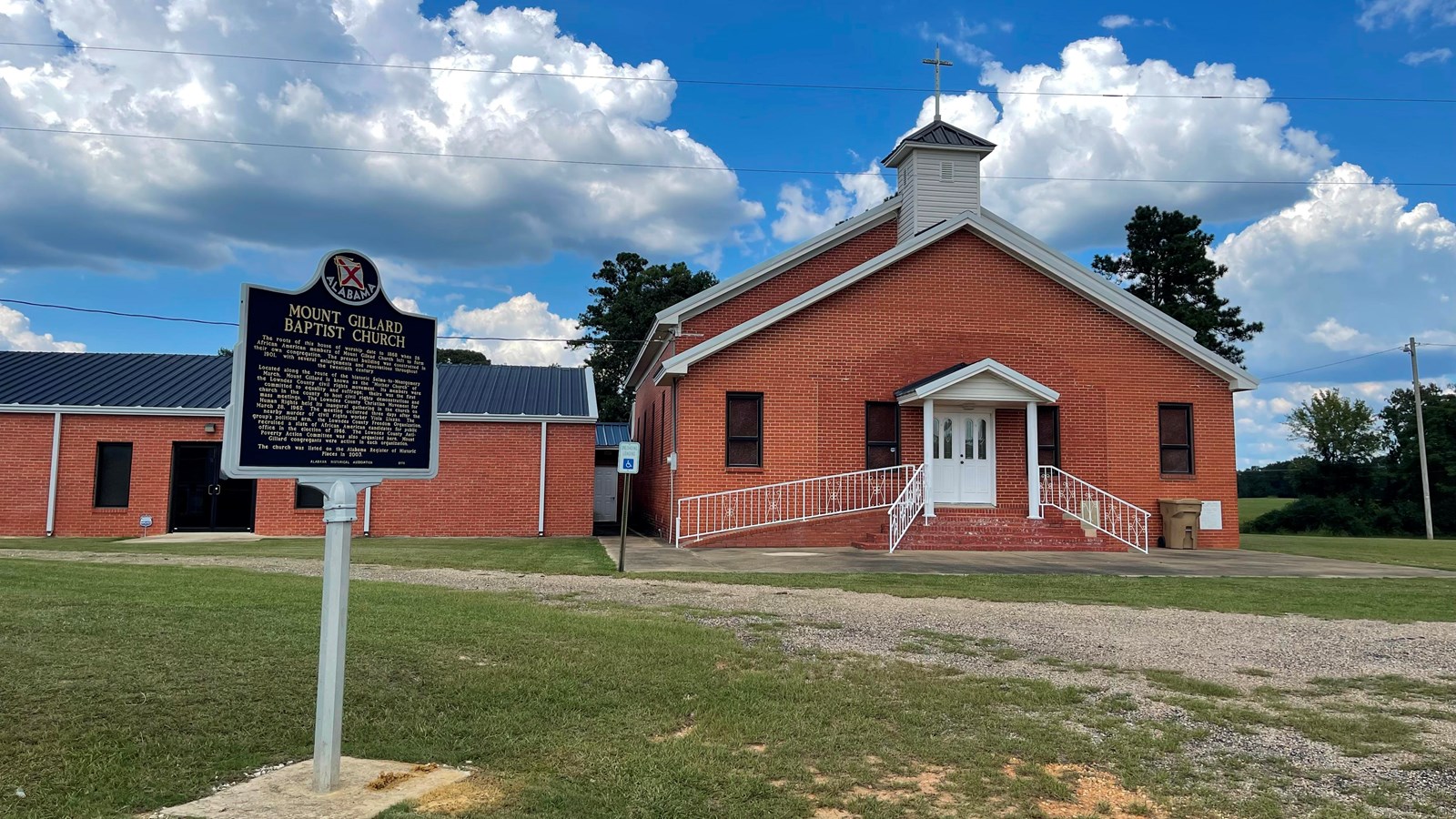
Gospel / Black Public Memory
CultureUp reads hymns, choirs, churches, migration routes, recordings, and public memory as linked records, not as nostalgic background music.
Short Brief
Gospel / Media
Mahalia Jackson’s public voice linked church sound, civil-rights gatherings, radio, television, and memory in ways biography alone cannot explain.
Culture Profile
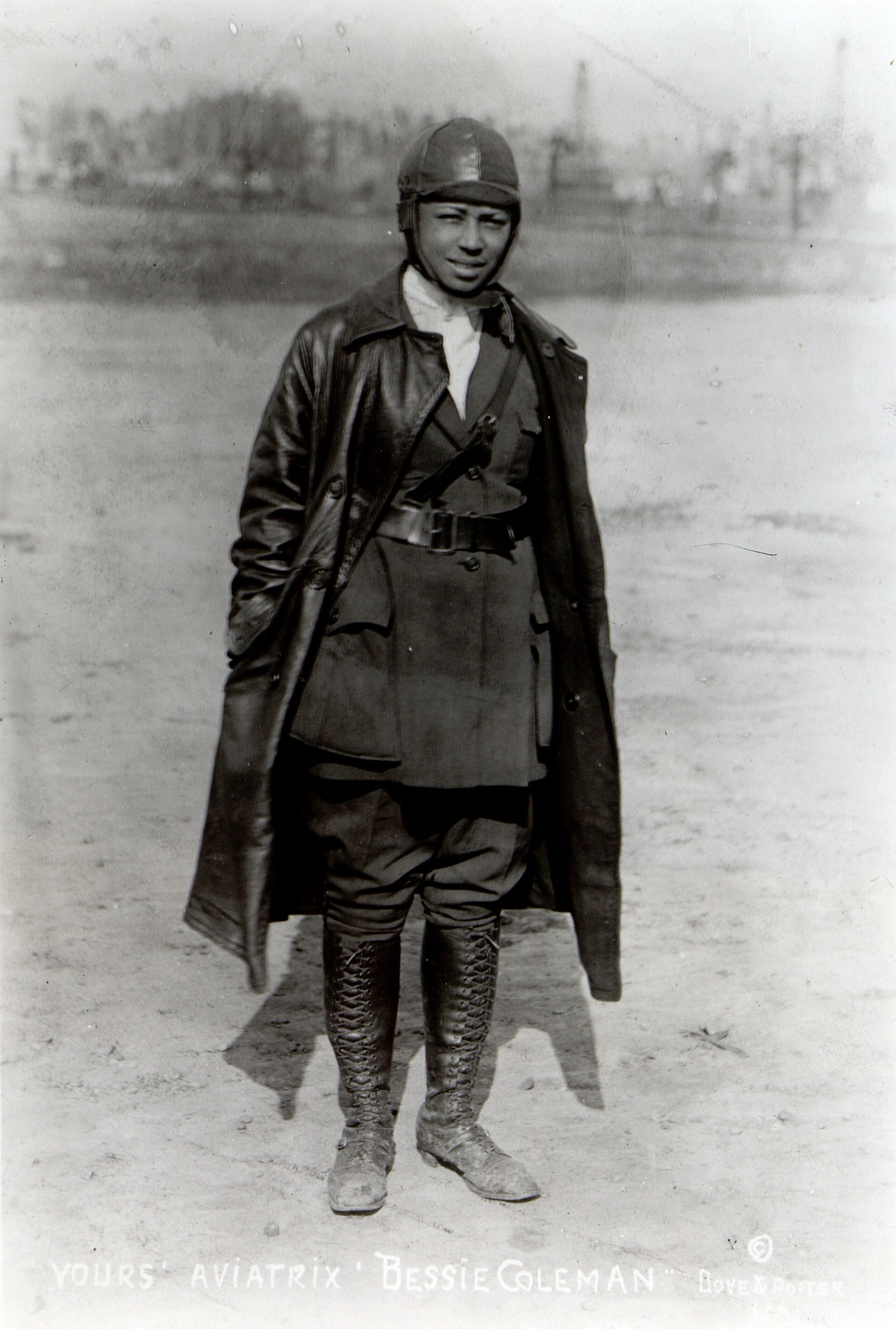
Black Public Memory / Aviation
Bessie Coleman becomes legible through license records, newspapers, airshow circuits, commemorations, and the racial barriers those records still expose.
Culture Profile
Culture & Place
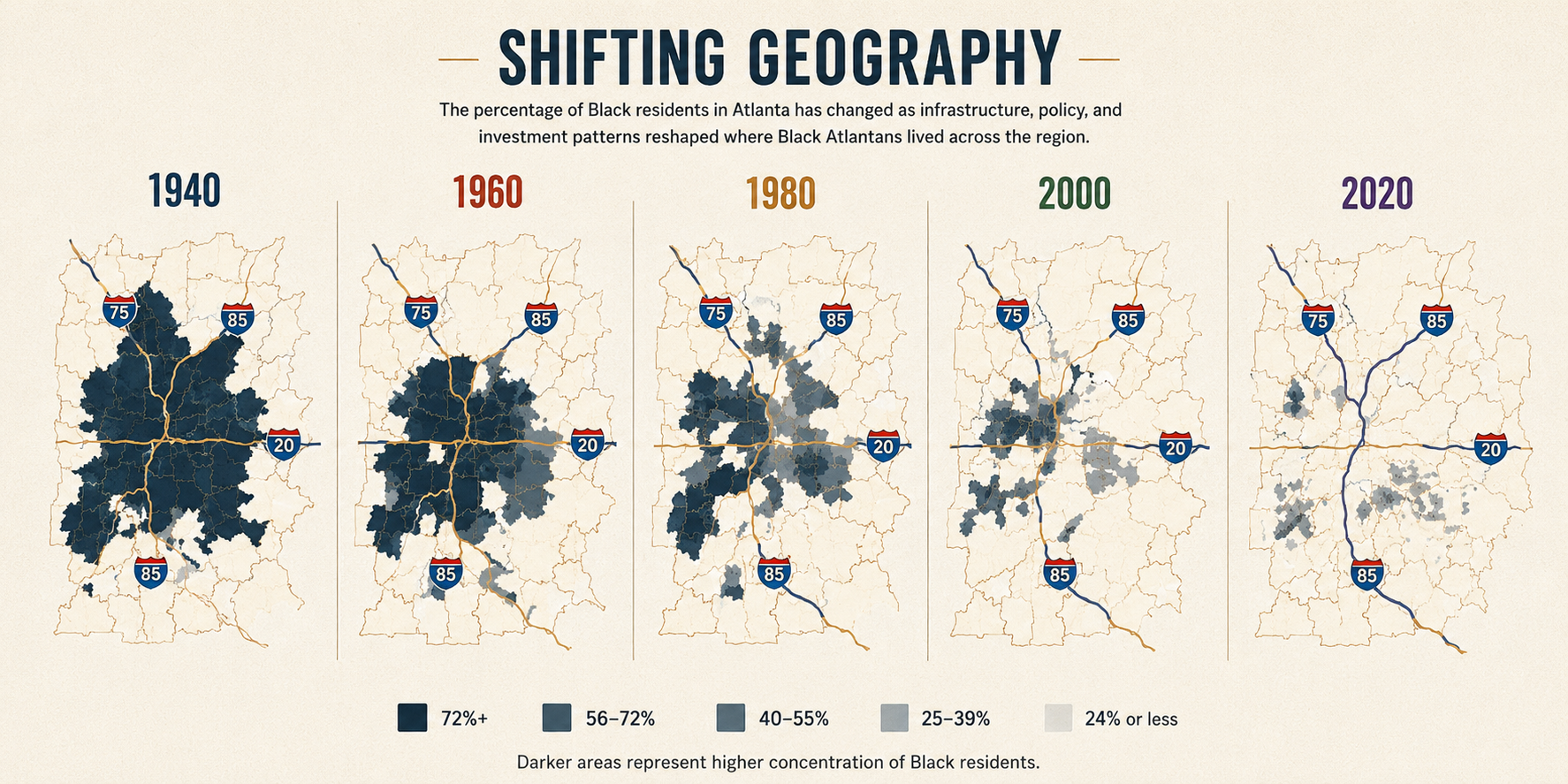
Black Atlanta did not disappear. It spread across a wider region. The question now is who gets to shape the map.
Flagship Editorial
The Indigenous Black Memory page should become a living table of contents: published stories first, then transparent assignments that tell readers what CultureUp is building next and what evidence each lane needs.
Media / Archives
Build a source-labeled guide to newspapers, OCR limits, publication dates, publishers, and community context.
Place / Public Memory
Connect cemetery records, archaeology, descendant stewardship, memorial design, and image-use limits.
Schools / Institutions
Frame schools as records, local economies, archives, music, leadership, sports, and civic memory.
Sound / Media
Trace station records, playlists, announcers, advertisers, churches, venues, and community announcements.