A hymn can sound timeless while carrying a very specific route through church life, migration, choir practice, publishing, radio, and memory. That is why CultureUp should not treat sacred music as Sunday atmosphere. A hymn is often a public-memory record, and readers deserve enough context to hear where the sound came from.
This page belongs next to Black church memory because the song does not float free of institution, congregation, and movement. A hymn can travel from one sanctuary to another, from rural worship to urban choir culture, from congregational singing to commercial recording, and from there into family memory. That travel is the story.
Opening context
The attached source set is enough to support a strong reader-facing frame. Smithsonian Folkways supports gospel’s relationship to spirituals, hymns, migration, churches, and communities. NMAAM supports a public genre frame that links gospel to a wider African American music tradition. CultureUp’s Black church guide supports the reminder that the church is not only a setting for the music. It is part of the infrastructure that carried the music.
The core story
A source-aware hymn story asks more than whether the song is beautiful or familiar. It asks where it was sung, who arranged it, which congregation or choir carried it, whether migration changed its audience, and what kind of record survives around it. A printed hymnal, a church program, a radio performance, a commercial recording, and a remembered congregational favorite are all different evidence lanes.
That distinction matters because sacred music is easy to flatten into nostalgia. Once a song becomes a generalized church feeling, the people and institutions that carried it disappear. CultureUp is stronger when it restores the route: sanctuary, choir stand, rehearsal, travel circuit, publishing context, or recording holder.
What the record shows
The current sources support a careful but useful claim: hymns and gospel traditions belong inside Black public-memory coverage because they move through congregations, migration patterns, community institutions, and genre history. Smithsonian Folkways supports the migration-and-community frame. NMAAM supports the genre frame. The internal Black church guide supports the institutional frame. Together they justify a story that connects sound to the structures that carried it.
Reader verification card
| Check | Why it matters |
|---|---|
| Record type | Separates hymnal, performance, recording, choir memory, and church context |
| Institution | Shows who carried or preserves the music trail |
| Limit | Keeps a remembered song from being treated as total proof by itself |
What the record does not show
These sources do not prove every local arrangement, every congregational history, or every rights status around a recording. They do not authorize lyric reproduction or unlicensed audio reuse. They support a frame for reading sacred music as a record trail, not a shortcut around rights and source review.
That limit matters because music writing often moves too quickly from vibe to claim. A page can still be warm and readable while staying specific about what is sourced and what remains unverified.
Why this matters for CultureUp readers
Readers are often told to hear gospel as feeling. CultureUp should help them hear structure as well: church, route, migration, publishing, performance, and memory. Once those layers become visible, sacred music coverage stops being decorative and starts becoming historical.
That is also how the gospel lane stays durable. A hymn article should leave readers with a stronger reading habit, not just a warmer mood.
A hymn can also carry geographic evidence even when the page never claims a full migration map. If the source trail moves from one church tradition to another, from one city to another, or from congregational singing into recorded circulation, readers are already seeing movement. The article should say so plainly.
That is where choirs matter as institutions rather than just performers. A choir can preserve arrangement choices, repertoire, memory, and community emphasis across generations. Once readers see that, the hymn is no longer a floating sacred object. It is part of a social route.
The same caution applies to recording culture. A later recording may preserve one version of the song, but it does not erase earlier congregational life around it. CultureUp should keep recorded evidence and church-life evidence in conversation rather than letting the commercial file dominate the memory story.
Media and caption note
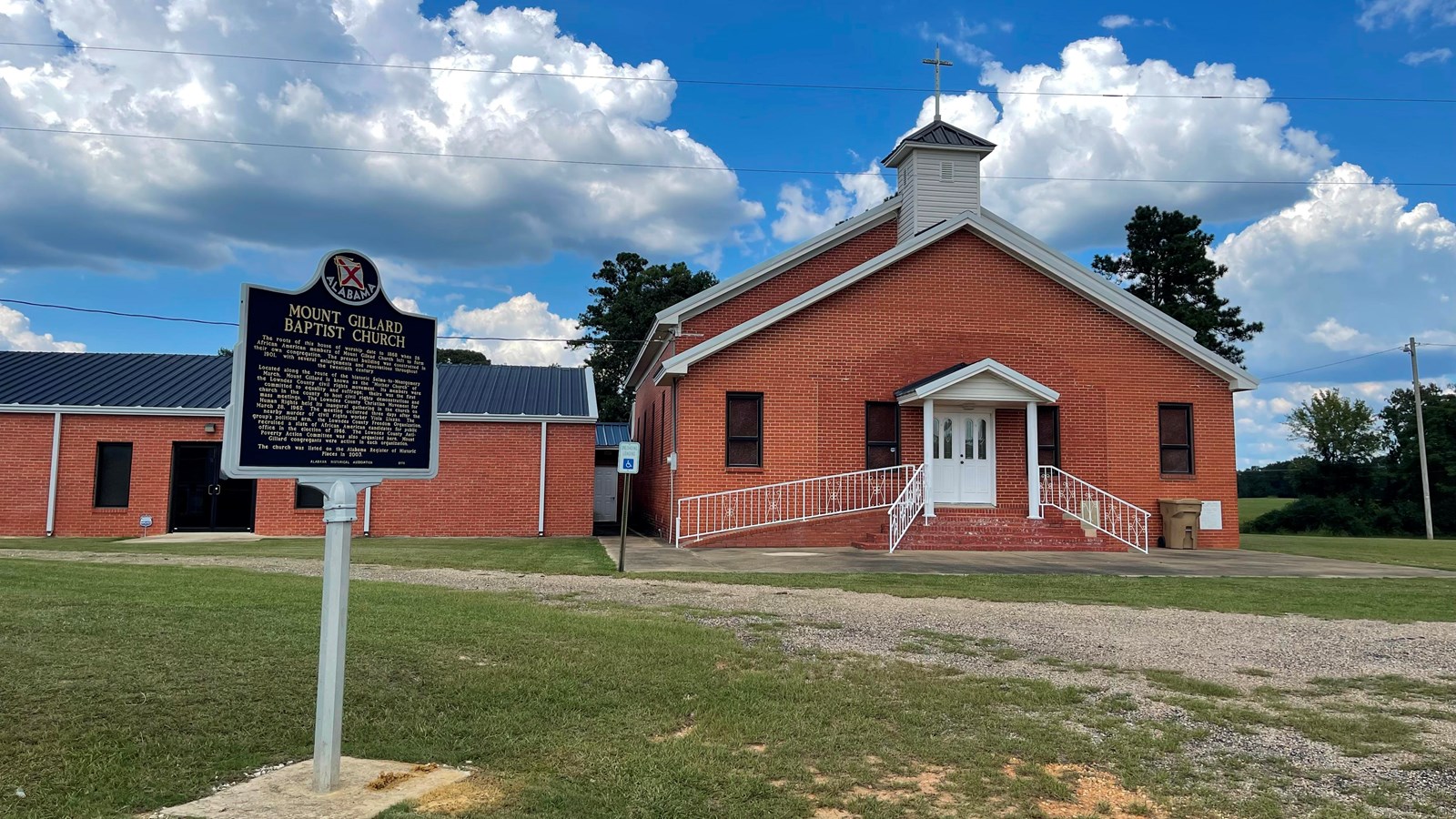
Approved images can illustrate the institutional and performer context, but the page should avoid turning sacred music into generic visual mood. This version uses National Park Service Black church place records so the caption stays tied to institution, holder, and public-memory purpose. Audio should remain rights-sensitive unless explicitly cleared.
Source notes and correction path
Published explainer. Sources include Smithsonian Folkways gospel context, NMAAM public genre framing, and CultureUp Black church memory standards.