Skip to content
Browse CultureUp
Start here

Start here.

Start with Indigenous Black memory: long-rooted Black American memory connected to land, place, family continuity, burial grounds, churches, civic institutions, schools, records, media, and local public history.

First step
Source trail
Memory scope
Indigenous Black
Review lanes
Visible

How to use this site

CultureUp works best when readers know what each page is trying to do.

Some pages are feature stories. Some are public-memory explainers. Some are source-literacy guides that teach readers how to read records, captions, dates, maps, claims, and public data more carefully. The point of this page is to help a first-time visitor choose the right lane instead of bouncing through random cards. General African memory, broad diaspora history, and Moor-specific source trails belong in separate lanes unless a CultureUp page has a documented Indigenous Black American memory frame.

First visit checklist

  • Start with one feature, one source-literacy guide, and one public-memory piece.
  • Use editorial standards and source notes to understand what kind of claim you are reading.
  • Follow correction paths and media-rights notes when an image, caption, or fact carries extra risk.

Good first reads

Start with stories that explain how CultureUp reads culture.

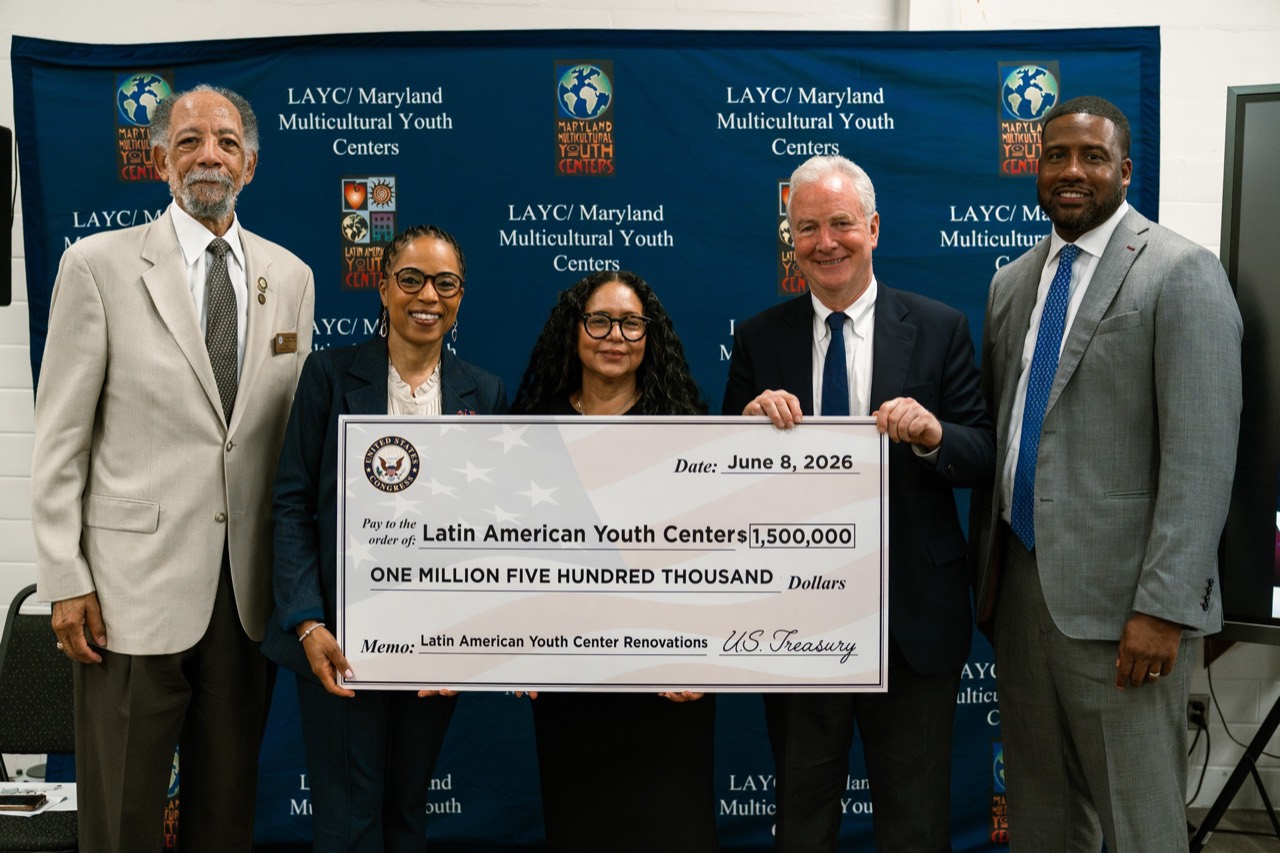
Group photograph at a Latin American Youth Center event with public officials holding a ceremonial funding check.

Civic & Institutional Memory

The Illusion of Inclusion: Black America, the Vote, and the Strange Return on Investment

Black America is counted, courted, thanked, and invoked as democratic ballast. But a high-value civic vote often comes back as broad equity language instead of Black American memory authority, land repair, burial protection, record restoration, and measurable return.

CultureUp Editorial DeskJun 23, 2026 / 14 min read

Flagship Editorial
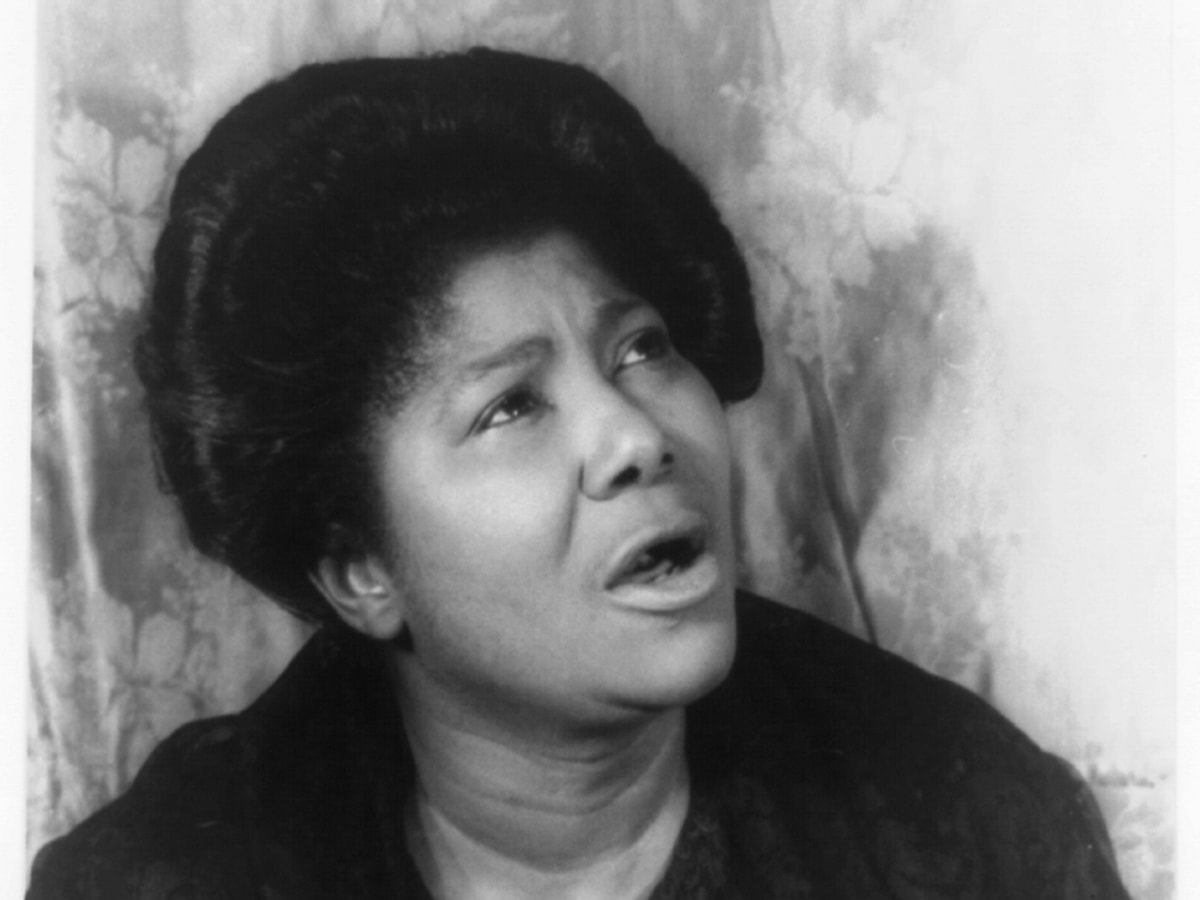
Black-and-white Library of Congress portrait of gospel singer Mahalia Jackson, photographed by Carl Van Vechten in 1962.

Gospel / Media

Mahalia Jackson and the public square

Gospel recordings, microphones, mass meetings, and broadcast footage that place Mahalia Jackson in civic life, not just on a playlist.

Media DeskApr 30, 2026 / 6 min read

Culture Profile

President Donald Trump standing at a microphone against a blue backdrop with American flags.

Civic & Institutional Memory

Trump’s Released Election Files Show Real Vulnerabilities. They Do Not Yet Prove an Altered 2020 Result.

Four released document packets identify serious voter-roll, network, registration, and foreign-data risks. They also leave decisive gaps: preliminary citizenship matches are not ballots, acquired voter data is not necessarily a hacked election system, and no released record yet shows vote totals changed.

CultureUP Editorial DeskJul 14, 2026 / 12 min read

Flagship Editorial

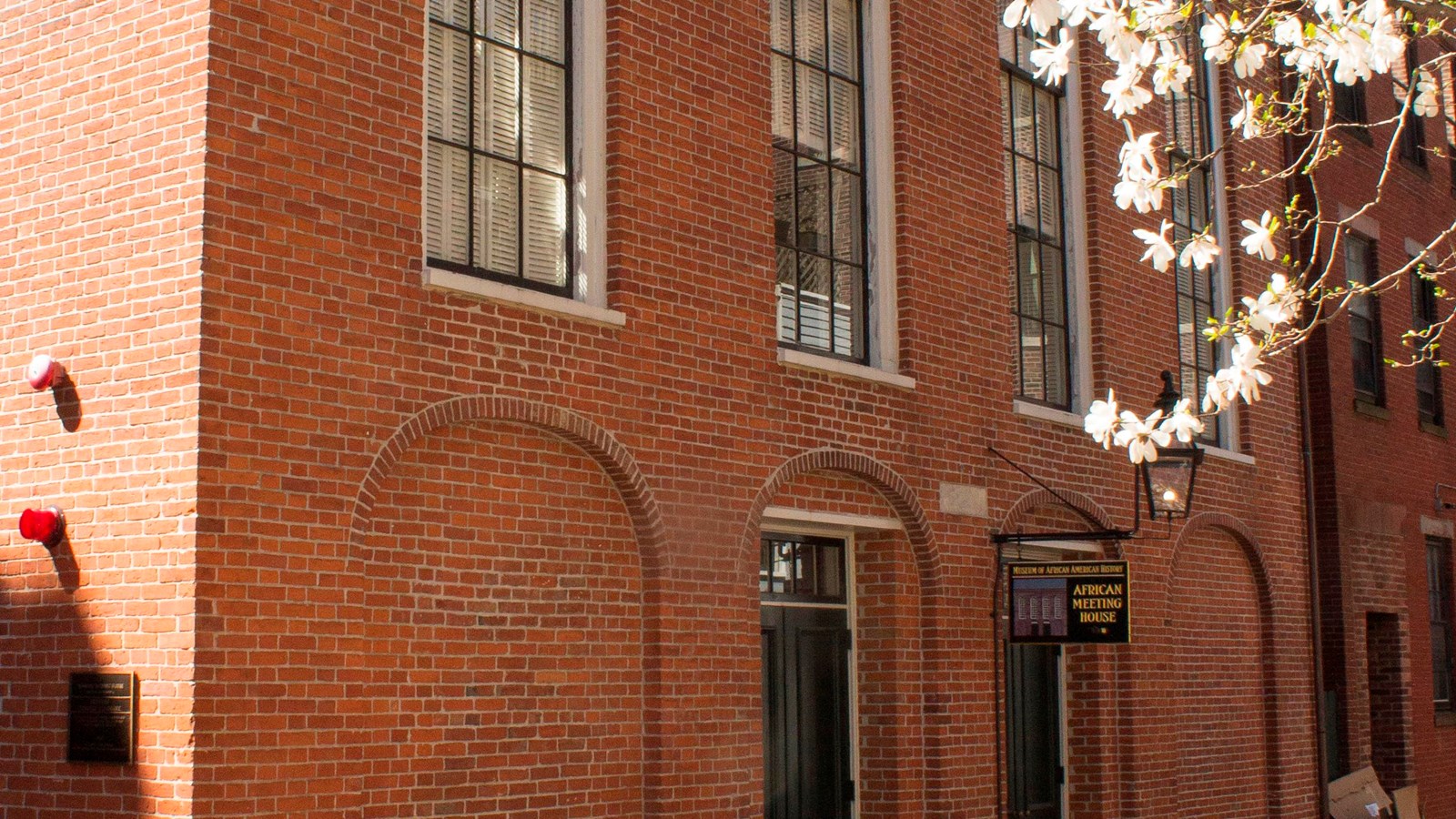
Exterior view of the African Meeting House, a historic Black church and public-memory site in Boston.

Black Public Memory / Churches

Black Churches Are Public-Memory Infrastructure

A Black church can be a sanctuary, school, meeting house, organizing room, music archive, burial marker, and record of community continuity. CultureUp reads church sites as public-memory infrastructure, not scenery.

CultureUp EditorsApr 30, 2026 / 9 min read

Feature Story

What this is

CultureUp is a home for Indigenous Black memory.

CultureUp keeps sources visible, but writes for everyday readers. The site helps people follow long-rooted Black American memory through records, land, churches, cemeteries, music, media, family continuity, civic institutions, public archives, and local place history.

  • Read memory records with context.
  • Explore music and media as public memory.
  • Send community context when a source trail deserves a closer look.

How to read

Labels tell you what kind of page you are reading.

CultureUp separates core memory work, source trails, hold lanes, review lanes, explainers, media, and corrections so readers do not have to guess.

  • Core CultureUp stories need a documented Indigenous Black American memory frame.
  • African Memory Hold, MoorOfUS Review, Native Memory Network, and Network General labels should be visible when a story requires another lane.
  • Corrections and meaningful updates should stay visible when a factual issue is reviewed.

Good first reads

Start with records, churches, gospel, media, and reader guides.

If you are new, begin with stories that show how CultureUp handles Black American memory, credits, music, sources, and community context.

  • Great Remapping of Black Atlanta.
  • Mahalia Jackson and the public square.
  • Black church public-memory infrastructure.

How to participate

You can send CultureUp what your community knows.

CultureUp can receive story tips, community stories, media submissions, event leads, contributor interest, corrections, and partnerships through a simple reader path.

  • Do not submit private information, copyrighted media you do not own, or unsupported claims about real people.
  • Tell us what happened, why it matters, and where we can follow up.
  • Use the corrections path when a date, spelling, caption, source note, credit, or attribution needs review.

Why trust this site

First-time readers should be able to see how CultureUp works.

This page should lead readers from first stories into standards, sources, corrections, and media-rights practice without making them guess where the trust layer lives.

Editorial standards

See how CultureUp labels evidence, handles scope, and keeps public-memory claims disciplined.

Sources library

Open the source index to inspect institutions, collections, and records behind the reporting.

Corrections path

Readers can submit corrections and source notes through a visible, standing update route.

Media rights

Review how CultureUp treats captions, credits, permissions, and reusable editorial media.

Next step

Choose the path that fits your visit.

Open the core lane

Start with Indigenous Black Memory for records, places, churches, media rights, source trails, and public-memory standards.

Open Indigenous Black Memory

Follow music memory

Read gospel, spirituals, public voice, credits, captions, and media rights as memory work.

Open music memory

Inspect sources

Use the source index to inspect records, credits, review lanes, and source notes.

Open source trails

Send context

Send a story tip, community memory, media note, event lead, contributor interest, or correction.

Open submissions

Join the Dispatch

Get stories with sources attached, media updates, chart notes, and community calls in your inbox.

Join the Dispatch

Check standards

Read the editorial standards and corrections policy before sharing sensitive claims or source updates.

Read standards

Support CultureUp

Support independent cultural learning through the active supporter path.

Support

CultureUp Dispatch

Join the CultureUp Dispatch.

Get stories with sources attached, public-memory features, music and media updates, and community calls without the noise.

Source notes includedMusic and media notes

Add your email interest and CultureUp will route follow-up through the editorial contact desk.