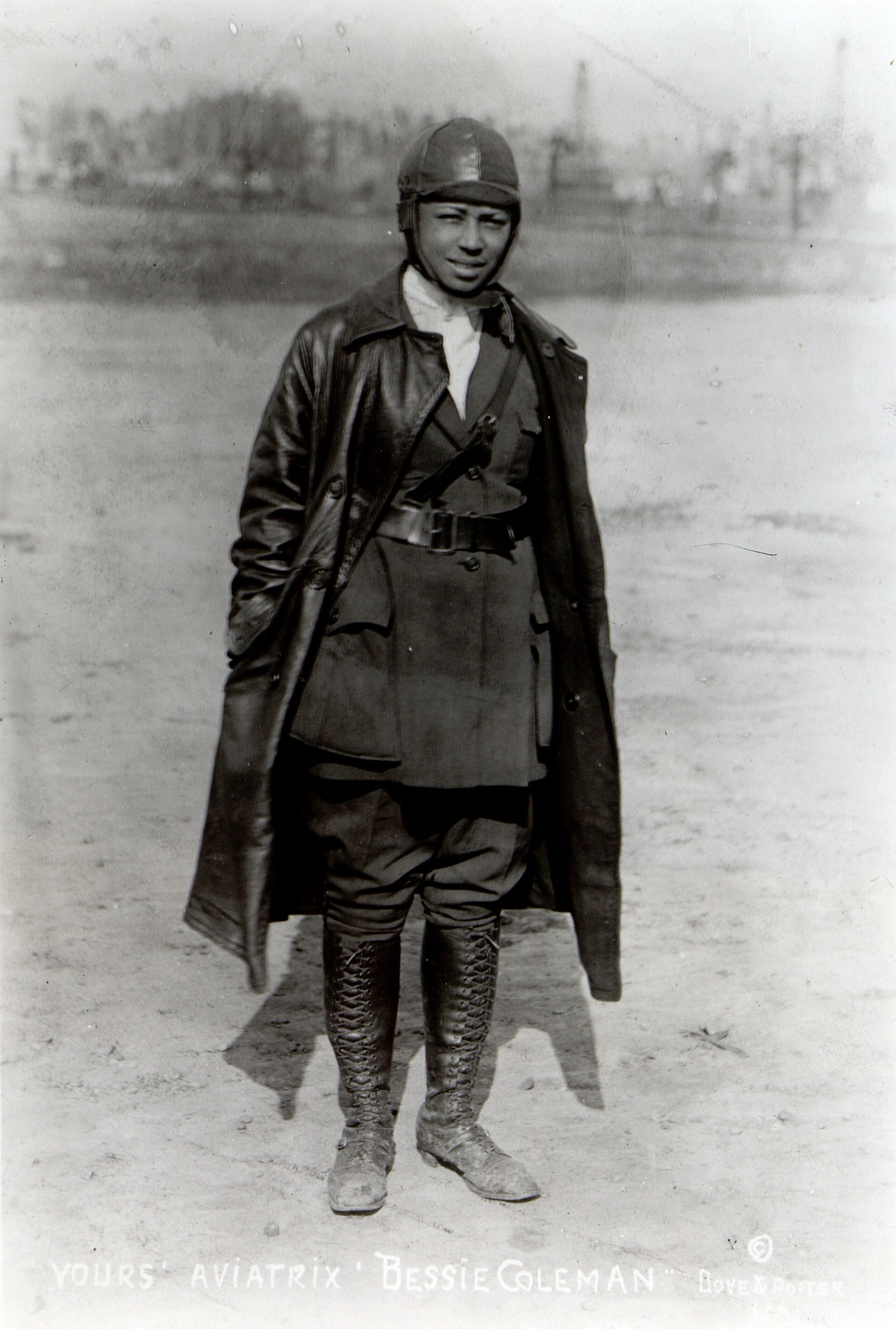
Bessie Coleman is often reduced to a one-line achievement claim, but CultureUp can do more than repeat the milestone. Her public memory lives across aviation history, Black press memory, women’s history, commemorative design, and the institutions that keep retelling her story. That makes her a strong profile not because one sentence is famous, but because one documented milestone keeps generating new public objects.
The key is to keep the source lane clear. A commemorative coin, a museum feature, and a public-history summary do not all do the same job. One marks institutional recognition, one offers historical narrative and image context, and one helps readers understand why the milestone still circulates. When those lanes stay separate, the profile becomes more trustworthy and more useful.
Opening context
The attached Mint sources support Coleman’s recognition in the American Women Quarters Program and frame her as the first African American and first Native American woman pilot. The Smithsonian aviation context supports the narrative of persistence, exclusion, and training context that made the license milestone meaningful. Together they support a careful public-memory profile focused on what the current institutional record is choosing to emphasize.
The core story
A strong Coleman page should begin with the license milestone because it is stable, documented, and legible to readers. But it should not end there. The Mint’s commemorative language shows how a federal institution wants the public to remember her now. The Smithsonian context helps explain why that memory matters: the milestone sits inside a larger story about exclusion from U.S. flight training, the search for opportunity elsewhere, and the later power of public remembrance.
That is why Coleman works so well as a CultureUp profile. She is not only an inspirational symbol. She is also a lesson in how public memory gets built. A coin program, a museum context piece, and an aviation-history narrative are all forms of memory work. They select, frame, compress, and circulate meaning.
Readers usually arrive with the single heroic sentence already in mind. The page’s job is to show what sits behind that sentence: institutions, collections, dates, visual records, and the difference between a commemorative object and a full biography.
What the record shows
The attached sources support several careful claims. The U.S. Mint supports the commemorative-quarter frame and the public language attached to Coleman’s significance. The Smithsonian context supports aviation-history narrative, archival imagery context, and the longer story of how barriers shaped her route. Those sources are enough to say that Coleman’s memory now moves through both federal commemoration and institutional aviation storytelling.
That matters editorially because CultureUp can teach readers to identify what kind of source they are reading. A Mint press release is strong for current public commemoration. A museum or Smithsonian narrative is stronger for contextual interpretation. Neither should be mistaken for the other.
Reader verification card
| Check | Why it matters |
|---|---|
| Milestone date | Keeps the profile anchored to a documented event |
| Institutional holder | Shows whether the claim comes from the Mint, a museum, or editorial interpretation |
| Commemoration versus biography | Prevents a public object from being mistaken for the whole life |
What the record does not show
These sources do not provide a complete biography, and they do not answer every question about reception, later community memory, or the full press trail around Coleman’s life. A commemorative quarter does not prove the totality of her story. It proves that a public institution selected her for national circulation and framed her significance in a particular way.
That distinction matters because profile writing can flatten quickly. If CultureUp wants a deeper Coleman feature later, it should add reviewed press archives, collection objects, and more direct historical sources instead of overstretching the current commemorative set.
Why this matters for CultureUp readers
Coleman belongs on CultureUp because she shows how Black public memory moves between achievement, exclusion, aspiration, and institutional recognition. Readers can see a person, a milestone, and a public object all at once. That makes the page more than a tribute. It becomes a method lesson about how to read commemoration.
It also models restraint. A good public-memory profile should give readers enough context to understand why the figure matters without pretending that one institutional package has solved the historical record. That balance is part of the trust contract.
That public-memory lesson can scale. Once readers see how one person moves through a Mint release, a Smithsonian context piece, and a commemorative object, they can apply the same method to other profiles. Which institution is speaking? What part of the story is it emphasizing? What is being honored, and what still needs fuller archival work?
Coleman remains compelling not only because she broke barriers, but because the records around her still show how institutions choose to narrate Black achievement. Reading that narrative structure is part of reading the history.
Media and caption note
Coleman media should stay rights-reviewed and institution-specific. Aviation stories are often illustrated with stray reposted portraits or mislabeled archive images. CultureUp should stay with reviewed museum, Mint, or archive routes and keep captions explicit about what the object is and what it supports.
If a future version adds more imagery, each file should carry holder, rights, date, and context so the visual lane remains as disciplined as the prose lane.
Source notes and correction path
Bessie Coleman gives CultureUp a strong profile model because her public memory moves across aviation history, Black history, women's history, public commemoration, and the problem of how one milestone can flatten a larger life.