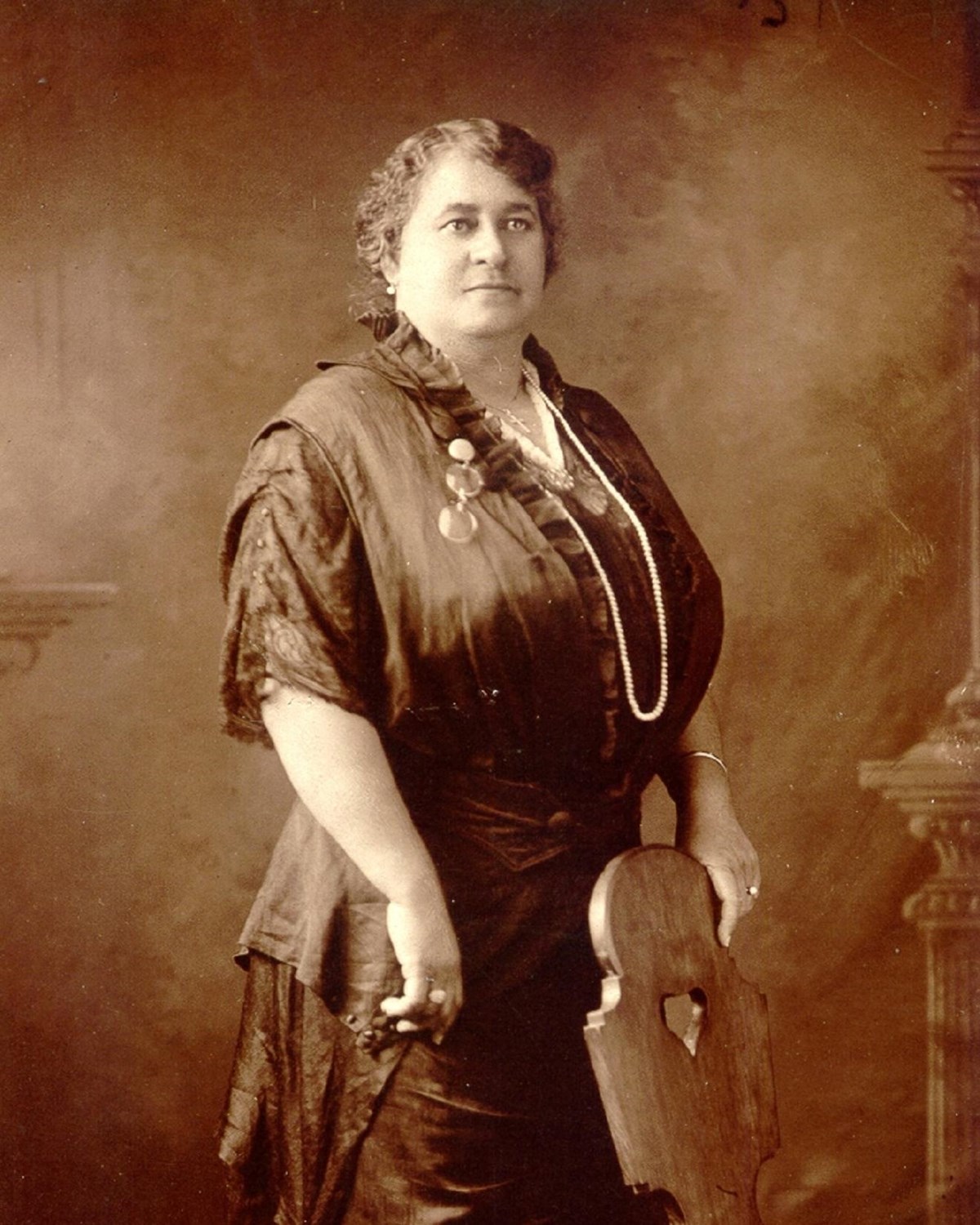
A profile can prove presence if it shows the source trail. CultureUp should not treat a biographical page as pure summary copy when it can also function as a documented demonstration that a person is in the record, attached to institutions, objects, dates, and public memory.
That does not mean the profile becomes a spreadsheet. It means the article has to let readers see enough of the documentary path that the person’s presence is not resting only on reputation or secondary repetition.
The attached NPS, Smithsonian, and Library of Congress materials support that exact kind of source-aware profile. They give the page enough grounding to show how biography becomes record without stripping away readability.
Opening context
This page keeps the claim narrow enough that the attached source trail can still support the reader-facing explanation.
The core story
That documentary method also helps CultureUp resist the flattening that often happens in public-memory profiles. Instead of treating the subject as a symbolic name floating above the archive, the page can show how institutions, objects, and preserved traces keep the person present in the public record.
A strong profile can therefore move between biography and evidence without becoming dry. It can explain who the person was, what kinds of records hold them in view, and where the interpretive layer begins after the core documentary path is established.
That source-aware profile method is especially important when a subject is repeatedly cited in public memory but thinly represented in casual retellings. The page can correct that imbalance by showing how presence is anchored in records, portraits, and institutional holdings.
That distinction matters because profiles often overpromise completeness. A more disciplined page can still tell a compelling story while making clear which parts are directly anchored in biography, object records, or portrait evidence.
That is what turns a profile into evidence rather than tribute. The reader can see how institutions, portraits, and object records place the person in public memory with a traceable documentary path.
The first task is to identify what kind of profile record is being used. A biography page, object record, portrait record, or institutional summary each verifies something slightly different. The article gets stronger when it tells the reader which kind of documentary presence is on display.
The second task is to connect profile to record trail. Dates, institutions, object holdings, and archival links can show that the person is not merely being named but is actually traceable through public memory and preserved documentation. That is where profile becomes proof of presence rather than just praise.
The third task is to keep profile limits visible. A biographical page can establish a great deal, but it cannot stand in for every historical claim about a person’s life or meaning. CultureUp helps readers when it distinguishes the documented core from the broader interpretive layer.
What the record shows
The current sources are strong enough to support that richer profile model because they combine institutional biography with object or portrait context. That pairing lets the article demonstrate presence through more than one documentary angle.
The current sources support a strong profile rule: use institutional biographies and related object records to show traceable presence, while keeping the difference between documented life facts and broader interpretation visible.
Reader verification card
| Check | Why it matters |
|---|---|
| Source owner and record type | Shows what public system or institution is actually making the claim |
| Time, scope, or stage | Prevents a narrow or partial record from sounding universal |
| Limit and next route | Shows what the source cannot prove by itself and where the reader should verify more |
What the record does not show
These sources do not make every profile complete, and they do not justify turning a single institutional page into a full life story. They support a well-grounded proof-of-presence lane.
Why this matters for CultureUp readers
Readers who see how presence is built in the record become better at judging profiles across the site. They can tell when a page is simply admiring a subject and when it is actually demonstrating how the subject survives in public memory.
That stronger profile method helps readers distinguish between a page that merely repeats a name and one that actually demonstrates how a person endures in the record.
A profile becomes more than admiration when the reader can see the documentary structure holding it up. That makes public memory more credible and more teachable.
Readers gain a more durable profile habit when they can tell what record, object, or institutional page is actually doing the proving beneath the narrative.
The result is a stronger kind of profile reading: readers can appreciate the person while also seeing the source trail that keeps the profile accountable to public memory.
Readers benefit from knowing how to recognize profile writing that is actually anchored in records instead of floating on summary reputation alone.
Readers benefit from seeing how biography becomes record. That makes profiles more trustworthy and teaches a method they can recognize across other CultureUp subjects.
Media and caption note
That is the practical payoff of the source trail: the profile feels more trustworthy because the reader can see how public memory and preserved record meet on the page.
Portraits and object images on a profile page should carry holder, title, and context so the visual evidence reinforces the documented presence rather than floating beside it.
Source notes and correction path
Published source profile guide. Sources include NPS profile records, Smithsonian collection records, and Library of Congress primary-source guidance.