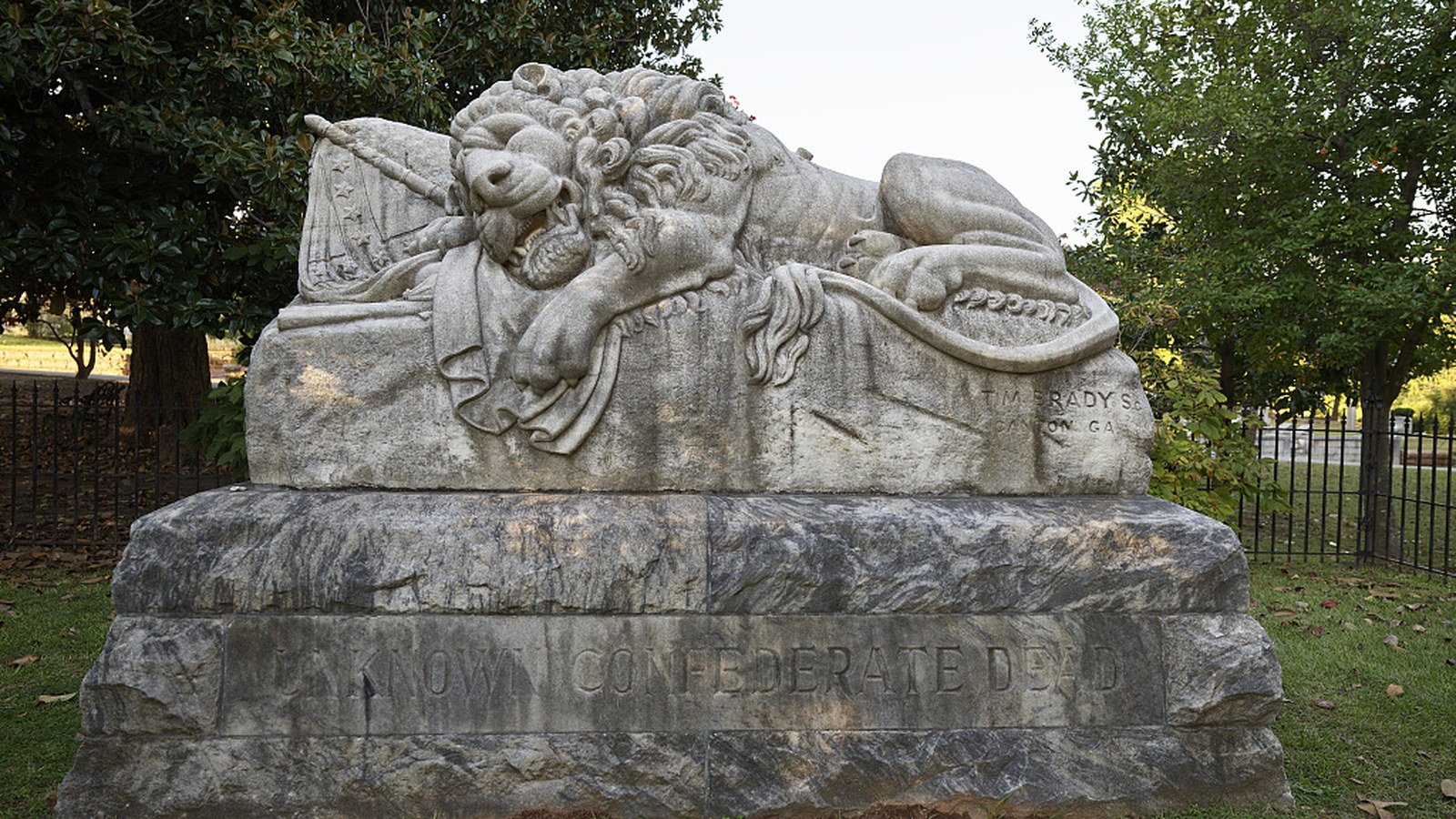
A historical marker can look authoritative in a ten-second clip while hiding almost everything that matters. The inscription seems settled, the camera movement feels documentary, and the social post travels faster than the source trail behind it. That is exactly why CultureUp needs a stricter standard for marker video than most platforms use.
This page is really about method. A plaque on camera is not proof by itself. It is a public object with an author, sponsor, placement date, physical setting, and editorial limits. If the clip does not keep those layers visible, the viewer ends up trusting polish instead of evidence.
Opening context
The attached source set is narrow but useful. National Park Service teaching guidance supports a public-history frame for interpreting markers in place. The related CultureUp reading on how to read a historical marker supports the object-level method, and the media credit standard supports the rule that field clips need credits and source notes attached. Together they are enough to turn a short media note into a durable reader guide.
The core story
The safest first shot is not only the inscription. It is the marker in place. Readers need the street, park, building, trail, or landscape around it because the object is making a public claim from somewhere. That setting can reveal jurisdiction, stewardship, audience, and even what the marker leaves outside the frame.
A strong CultureUp marker clip should therefore travel with a title, object type, location, sponsor or steward, filming date, text transcript, and one or more source links that move the reader beyond the inscription. If a marker references an event, person, or institution, the clip should behave like an entry point, not like the finished archive.
This is where marker media usually fails. The camera loves the polished bronze or stone surface, but viewers are rarely shown who commissioned it, when it was installed, whether it has been contested, or how its language compares with current scholarship. That absence is not a minor detail. It is the difference between public memory and branded atmosphere.
What the record shows
The attached sources support a clear editorial standard. National Park Service teaching materials support reading public-history objects in relation to place and context. CultureUp's marker-reading guide supports the reminder that a marker is an authored summary rather than a full record. The media credit standard supports the production rule that clip, still frame, transcript, and caption need to travel together.
That is enough to support a reader-facing rule: publish marker video only when the clip still works as part of a source trail. The video should help the reader verify an object, not simply admire it.
Reader verification card
| Check | Why it matters |
|---|---|
| Object in place | Shows the marker as a physical public object, not floating text |
| Sponsor or steward | Helps the reader understand who authored or maintains the marker |
| Transcript and source link | Lets the reader test the inscription against a fuller record |
What the record does not show
A marker clip does not prove that the inscription is complete, current, or uncontested. It does not prove that every omitted person or community was irrelevant. It does not prove that the sponsoring institution used the best available language. Even a careful full-frame shot is still only a beginning.
That limit should stay explicit because the visual format itself encourages overconfidence. A steady shot can make a marker feel more settled than it is. CultureUp should resist that effect by naming the object as a summary, not a final verdict.
Why this matters for CultureUp readers
CultureUp works best when it teaches people how to read public memory objects instead of merely collecting them. Markers, plaques, and monuments are often the first way readers encounter local history. If those readers learn to ask who made the object, what date it carries, what evidence sits behind it, and what the inscription leaves out, they become stronger readers everywhere else on the site.
This is also a production standard. Short video is useful for distribution, but CultureUp.us is supposed to preserve the durable web record. That means social-ready media should feed the site’s evidence lane rather than replacing it.
Media and caption note
Marker media should keep the object type, location, filming date, and reviewed source route visible. A polished vertical clip without a transcript, still frame, and credit sentence is not enough. If the rights or field details are incomplete, the clip should stay in review rather than being treated as publish-ready proof.
Future marker uploads should pair one reviewed clip with a transcript, still frame, and location review note so the page remains useful after the short-form moment passes.
Source notes and correction path
Short video can make a public marker feel immediate, but speed can also hide the evidence. CultureUp should not publish marker footage without the object, location, steward, transcript, and source trail attached.