A credit line is not where design ambition goes to die. It is where a page proves it knows what object it is showing, who made or holds it, and why the image belongs in the story. When credits disappear, the visual lane often becomes more stylish and less trustworthy at the same time.
CultureUp should therefore treat credits as part of the design system, not as an afterthought bolted on under pressure. A page that cannot make room for credit is usually also struggling to make room for source honesty.
Opening context
When credit is missing or buried, the design is telling readers that the image matters but the maker, holding institution, or license trail does not. That is exactly backwards for a source-aware publication. The design is not finished until attribution survives the final crop, export, and mobile layout.
The current source trail supports that principle well. Rights and media-guidance materials already give the page enough authority to explain why captions, holder lines, and creator attribution belong inside the user experience rather than outside it.
The core story
This is not only an ethics question. It is a comprehension question. A reader learns differently from an image when they know whether it came from a museum object page, an open-access collection, an archival scan, or an in-house graphic. The credit line tells the reader what kind of object they are looking at and what sort of trust relationship the publication is claiming.
That is why credit has to be designed early. If the layout treats attribution as a last-minute legal burden, it will shrink, break, or disappear in the versions that travel furthest. A source-aware design system does the opposite: it allocates space for maker, institution, rights note, and date so the reader can understand the object instead of just consuming the image.
A good credit does several jobs at once. It identifies creator or holder, signals rights or source context, and reminds the reader that the visual is an object with a trail behind it. That trail matters even more on a site that asks readers to trust archive images, charts, maps, or documentary stills as part of the evidence.
This is not only an ethics issue. It is also a reading issue. Without a visible credit, readers lose one of the quickest ways to tell whether the image comes from a government archive, a museum, a private collection, a platform upload, or a recent editorial graphic. The credit helps them understand what kind of thing they are seeing.
What the record shows
The current source trail supports a practical rule: collection holder, creator when known, and rights or access status should travel with the image through every major display context. Open-access institutions make that easier, but the editorial discipline is the same even when the answer is that an asset is not safe to use.
The current media-guidance lane supports a durable rule: credits are part of the public-facing object. They belong near the image, chart, or media asset in a form that stays legible after the page ships.
Reader verification card
| Check | Why it matters |
|---|---|
| Creator or holder | Shows who made or maintains the visual record |
| Rights or source context | Helps readers understand what lane the image belongs to |
| Placement | Keeps the credit attached to the object rather than hidden in production notes |
What the record does not show
A credit line does not solve every media-rights or interpretation problem on its own. It supports accountability and readability, but it still needs caption, context, and rights review around it.
Why this matters for CultureUp readers
A design that preserves credit also preserves memory. It tells readers that the image is part of a record with makers, stewards, and access conditions, not just a decorative asset floating free of its source trail.
CultureUp readers should not have to choose between a good-looking page and a trustworthy one. Visible credit teaches them how cultural objects circulate, who preserved them, and whether the image can be relied on as documentation rather than mood board filler.
Readers should be trained to expect visible credits from serious visual journalism. That expectation makes the whole site harder to cheapen and easier to trust.
Media and caption note
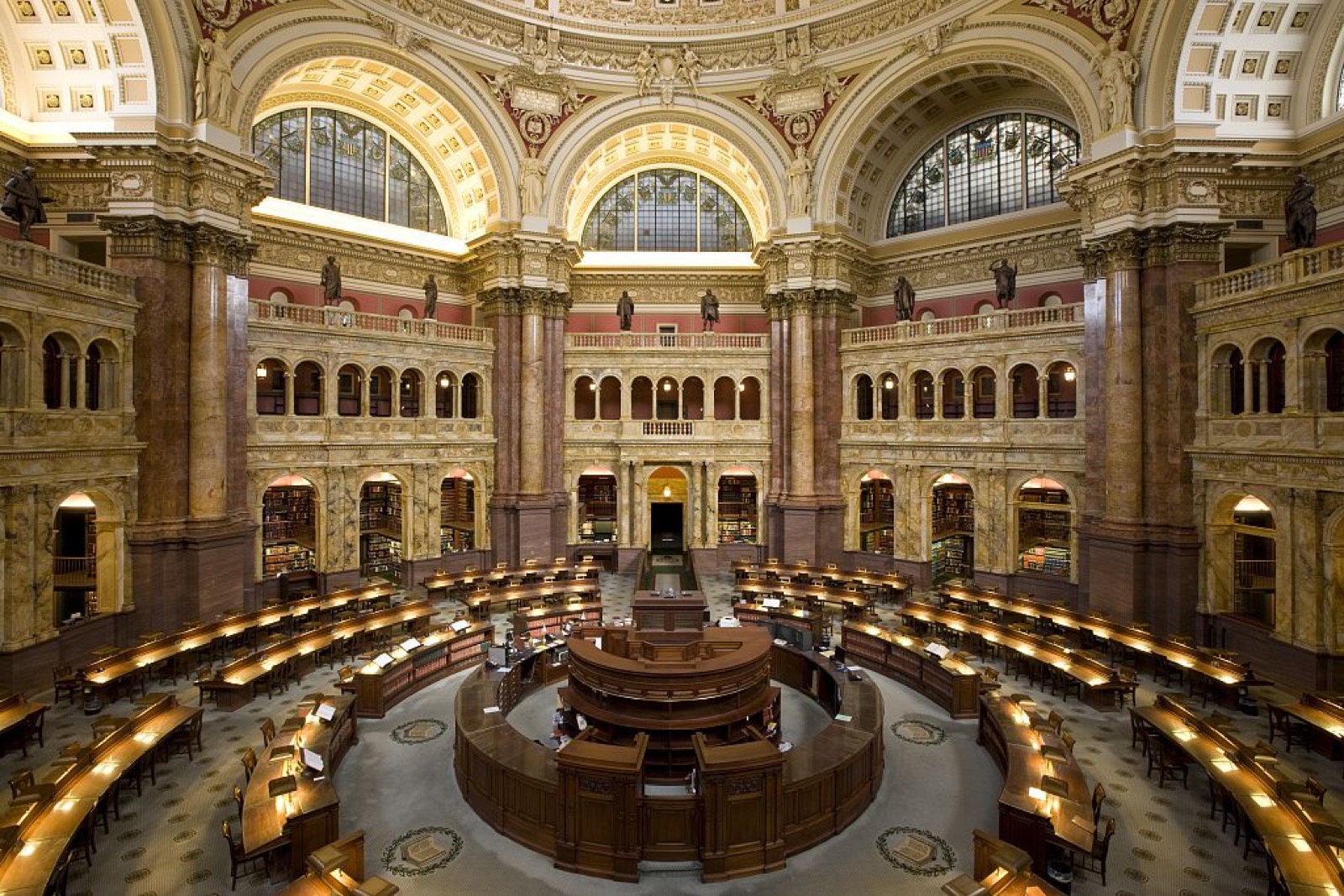
For this page, the image caption should model the standard directly: creator, collection holder, and usage context in plain language. The caption is part of the argument, not an accessory to it.
This page should model the standard it describes: clear holder, clear caption, and a visible credit that feels designed rather than reluctantly appended.
Source notes and correction path
Published source media guide. Sources include Library of Congress rights guidance, Smithsonian Open Access, The Met Open Access, and National Archives still-picture guidance.