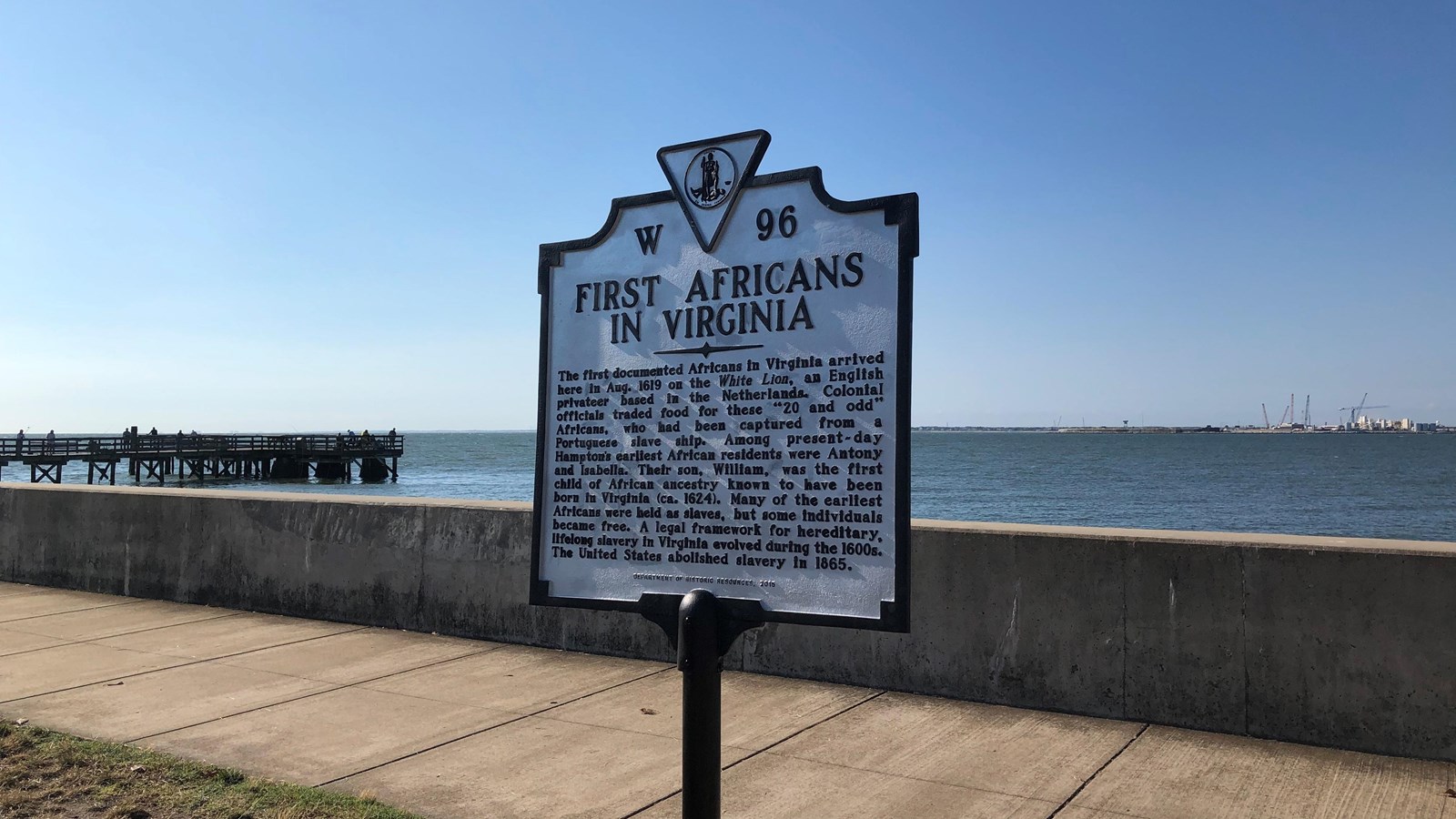
A historical marker is a doorway, not the final word. It can introduce a site, event, or person, but the marker text is still a designed public-memory summary with its own omissions, priorities, and institutional frame. Readers should be taught to enter through it, not stop there.
This matters because markers often feel authoritative precisely because they are short, physical, and public. The plaque tone suggests closure. A CultureUp page should instead tell readers how to use the marker as a starting record that points toward deeper sources, not as a full historical verdict.
The attached National Park Service public-history materials support that use directly. They give the page enough grounding to explain why place-based public memory is valuable while still warning readers not to confuse a marker with exhaustive evidence.
Opening context
This page keeps the claim narrow enough that the attached source trail can still support the reader-facing explanation.
The core story
That is the editorial gain of the marker page: it turns a polished public summary back into a research prompt. The reader leaves with a path to deeper records instead of a feeling that the plaque closed the question.
The first question is who placed or sanctioned the marker and in what context. A marker emerges from institutions, commemorative campaigns, funding choices, and local politics. That background helps the reader understand why this summary exists in this form.
The second question is what the marker chooses to foreground. Short text, dates, names, and symbolic phrasing often compress a much larger history into a legible visitor script. The page should help readers notice the compression instead of mistaking concision for completeness.
The third question is where to go next. A good public-history page treats the marker as a pointer toward archives, registers, local histories, and related records. That shift turns a plaque into a source trail instead of a memory endpoint.
What the record shows
The current sources support a durable marker-reading rule: identify commissioning context, summarize what the marker can establish, and then point the reader toward the records that can deepen or challenge the compressed public story.
Reader verification card
| Check | Why it matters |
|---|---|
| Source owner and record type | Shows what public system or institution is actually making the claim |
| Time, scope, or geography | Prevents a narrow or outdated record from sounding universal |
| Limit and next route | Shows what the source cannot prove by itself and where the reader should verify more |
What the record does not show
These sources do not make every marker accurate in all details, and they do not mean the marker alone can settle contested history. They support critical reading of public-memory summaries.
Why this matters for CultureUp readers
That skill helps readers carry skepticism and curiosity into every commemorative surface they meet, instead of assuming the shortest summary is the most complete one.
Readers who learn to read markers critically become better at reading public memory everywhere else. The habit scales from roadside plaques to school exhibits and municipal commemorations.
Readers who know how to read a historical marker become better at reading place-based memory generally. They stop treating public commemoration as self-explanatory and start asking what evidence sits behind it.
Media and caption note
Marker pages should keep inscription and site context visible in image captions. A cropped plaque image without context is less useful than a caption that explains why the marker is only a doorway into the fuller record.
Source notes and correction path
Published source brief. Sources include National Park Service Teaching with Historic Places and National Register public-history materials.
Marker readings should preserve uncertainty when the public record is incomplete.
The marker is evidence, but it is also an editorial choice made in public.