Skip to content
Browse CultureUp
Visual and audio

Media

Media-led editorial for gospel, clips, images, captions, transcripts, visual essays, and credits that stay close to the material they explain.

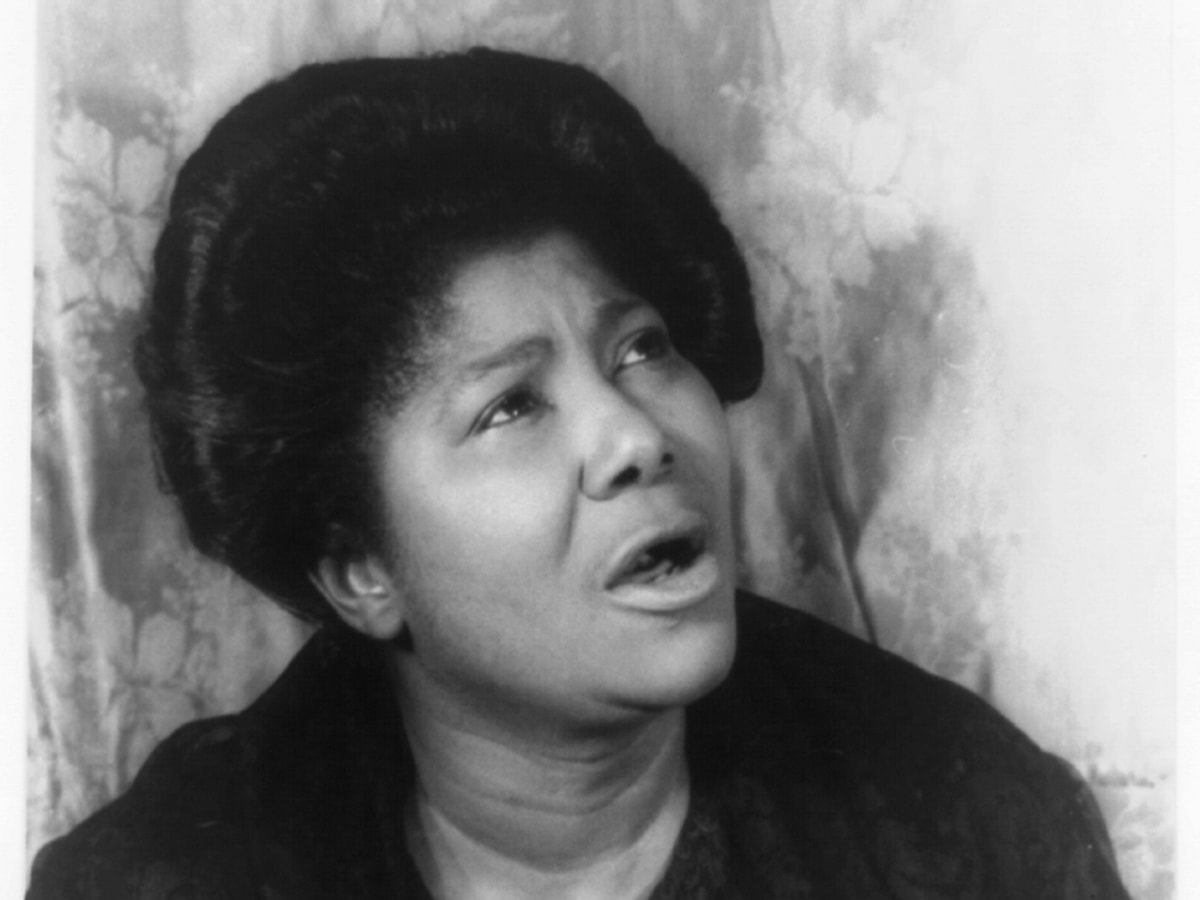
Black-and-white Library of Congress portrait of gospel singer Mahalia Jackson, photographed by Carl Van Vechten in 1962.
Current content
Gospel + media packages live
Credit model
Near asset
Next layer
Transcript

Collection archive

Media index

A curated first page keeps the collection readable while Explore, the sources library, and the sitemap preserve full-corpus discovery.

Curated view

Showing 14 of 14

How to read this lane

Media pages should make credit, caption, rights, and source context visible before an image, clip, or transcript starts doing unsupported narrative work.

CultureUp media pages are for readers who want to inspect the asset and the editorial frame around it at the same time. Some pages explain rights and reuse. Others show how captions, credits, transcripts, or archive notes change what a photo, clip, or recording can actually support. The point is to keep the evidence attached to the media object instead of letting circulation strip it away.

Reader checks

  • Check who made the asset, what rights apply, and whether the caption is doing real explanatory work.
  • Separate documentary evidence, interpretive illustration, and editorial design before treating media as proof.
  • Use source notes and related stories when the asset points to a larger archive, event, or public-memory trail.

Why this page exists

A collection page should give readers an editorial reason to stay.

Media pages should do more than display an asset. They should tell readers who made it, what it shows, what rights apply, and why the surrounding context matters.

CultureUp treats media as evidence-bearing editorial material. Credits, captions, source notes, and rights context should stay attached instead of being stripped away for speed.

Reader checks

  • Who made the asset, and what rights terms travel with it?
  • What does the media show, and what does the surrounding story still need to explain?
  • How can a reader tell the difference between evidence-bearing media and decorative illustration?

Start here

Three strong entry points for this shelf.

Why trust this site

Media stays useful when readers can inspect the standards around it.

A collection page should do more than stack links. It should make the source route, correction route, and media-rights expectations easy to reach from the same shelf.

Editorial standards

See how CultureUp labels evidence, handles scope, and keeps public-memory claims disciplined.

Sources library

Open the source index to inspect institutions, collections, and records behind the reporting.

Corrections path

Readers can submit corrections and source notes through a visible, standing update route.

Media rights

Review how CultureUp treats captions, credits, permissions, and reusable editorial media.

Featured media

Start with the clearest entry point.

Check who made the asset, what rights apply, and whether the caption is doing real explanatory work.

Browse media

Keep following the context.

Separate documentary evidence, interpretive illustration, and editorial design before treating media as proof.

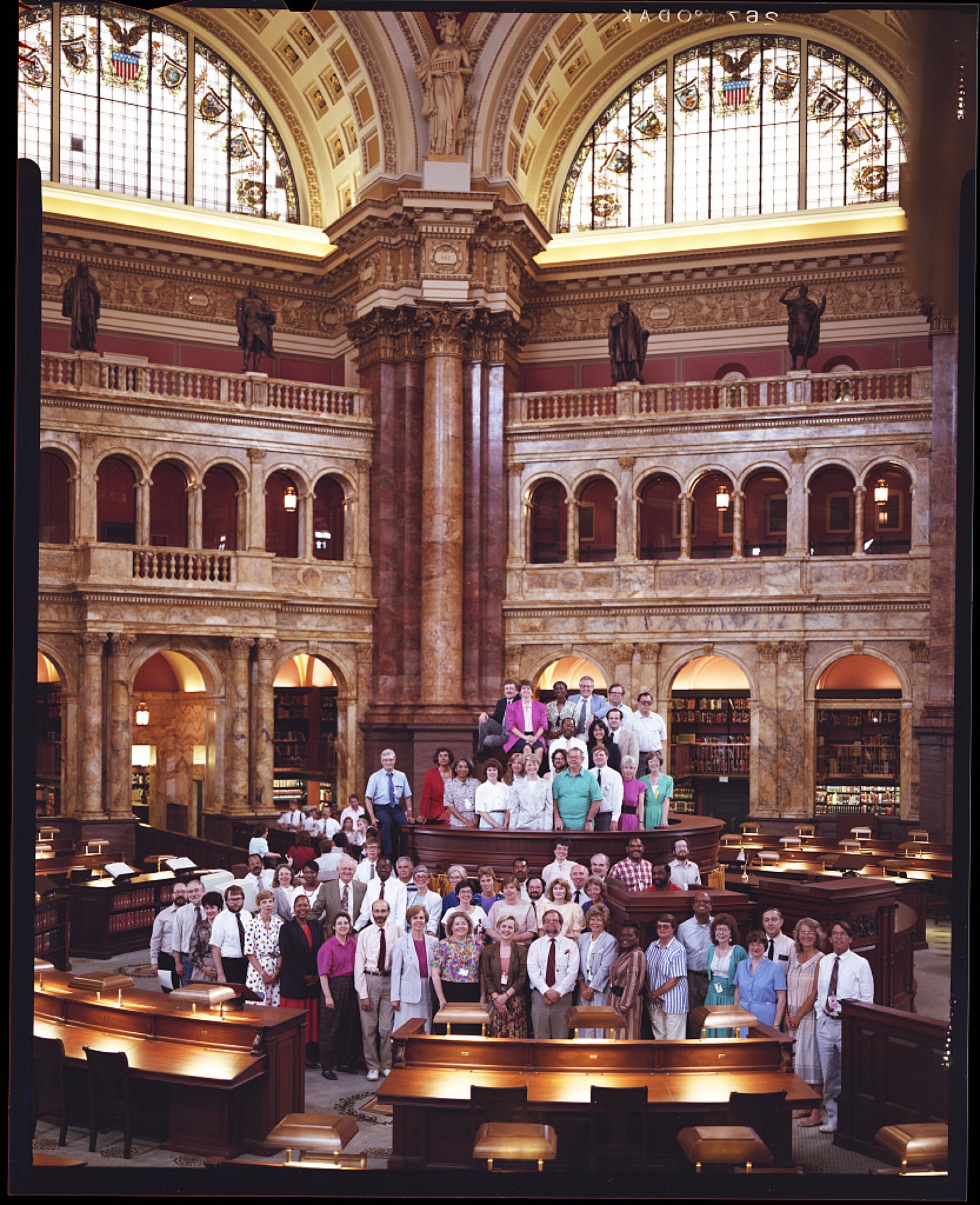
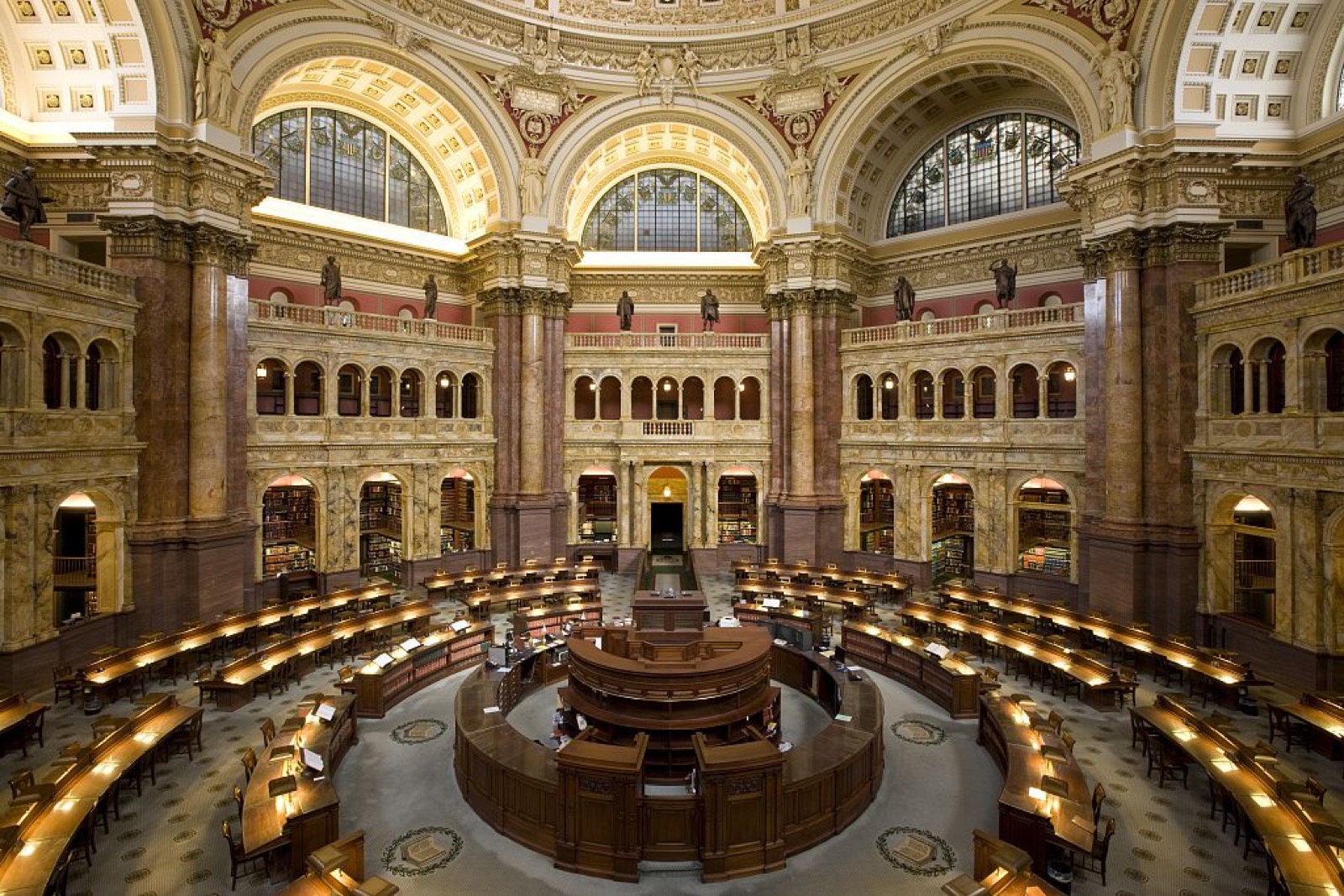
Library of Congress staff in the Main Reading Room of the Thomas Jefferson Building.

Public Memory / Media

Oral History Is Not a Footnote to the Official Record

Oral histories belong beside archives, public records, photographs, maps, and institutional files without forcing memory and paperwork to prove the same thing.

Standards DeskApr 30, 2026 / 6 min read

Short Brief

Researchers' desks in the Main Reading Room of the Library of Congress Thomas Jefferson Building.

Media Credits

Public Domain Does Not Mean Context-Free

Public-domain images still need creator, caption, collection, date, subject context, dignity review, and source link before they become responsible media.

Media DeskApr 30, 2026 / 7 min read

Media

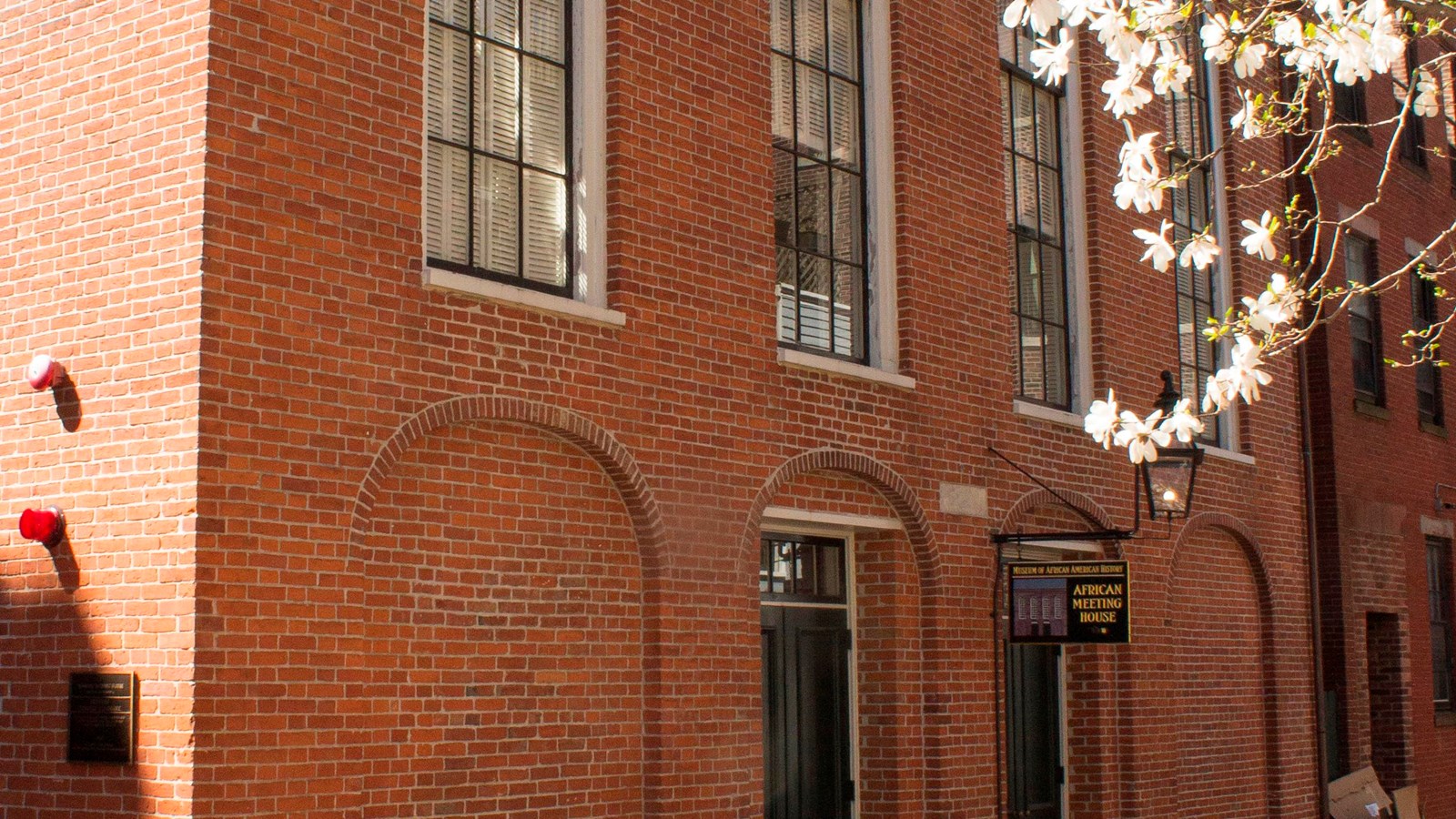
Exterior view of the African Meeting House, a historic Black church and public-memory site in Boston.

Black Public Memory / Churches

Black Churches Are Public-Memory Infrastructure

A Black church can be a sanctuary, school, meeting house, organizing room, music archive, burial marker, and record of community continuity. CultureUp reads church sites as public-memory infrastructure, not scenery.

CultureUp EditorsApr 30, 2026 / 9 min read

Feature Story

CultureUp Dispatch

Join the CultureUp Dispatch.

Get stories with sources attached, public-memory features, music and media updates, and community calls without the noise.

Source notes includedMusic and media notes

Add your email interest and CultureUp will route follow-up through the editorial contact desk.