Skip to content
Browse CultureUp
Short form

Briefs

Compact cultural explainers for Indigenous memory, public objects, evidence levels, source notes, and fast context that does not drop the evidence trail.

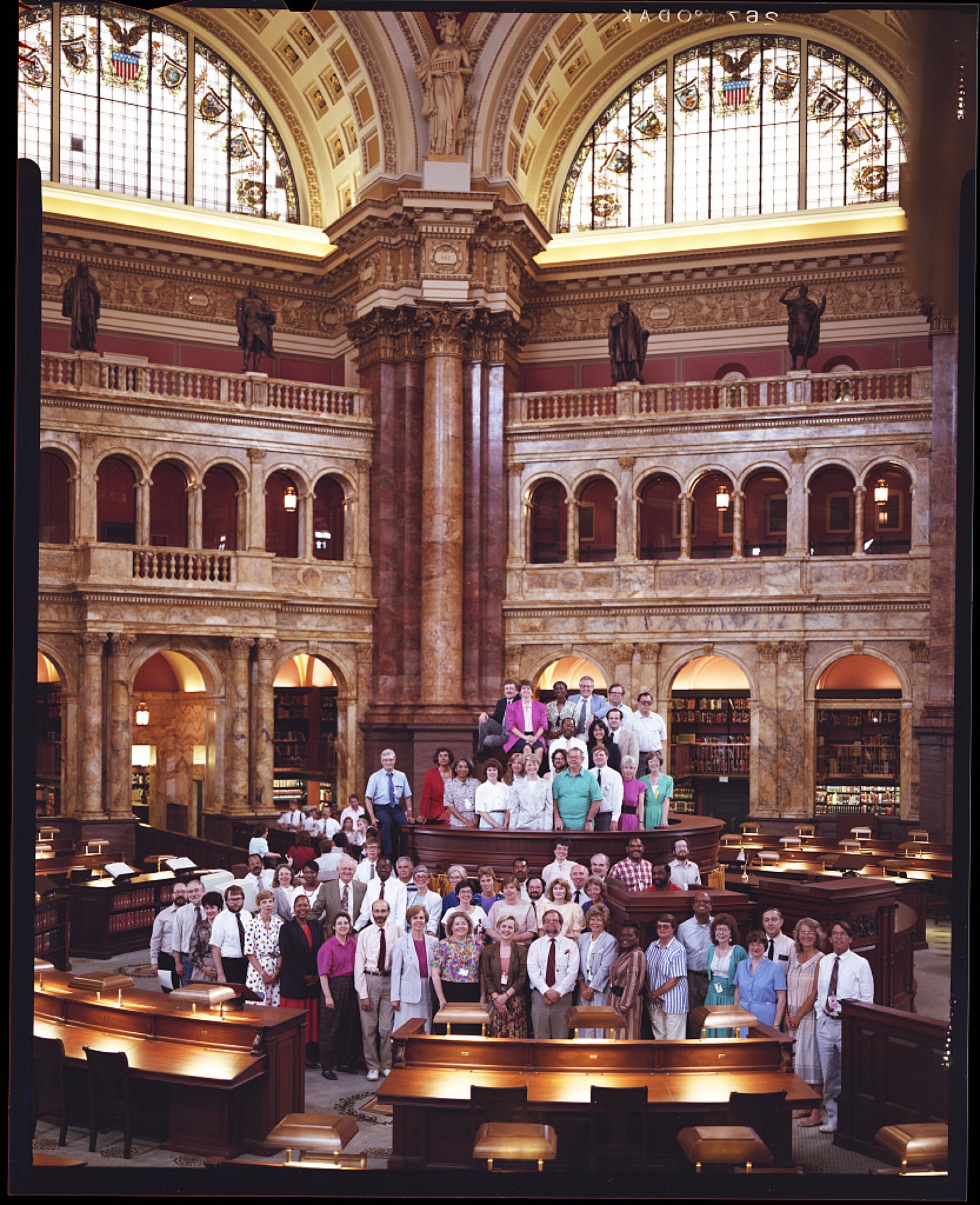
Library of Congress staff in the Main Reading Room of the Thomas Jefferson Building.
Current content
169 live explainers
Ideal use
Fast context
Evidence bar
Compact

Collection archive

Briefs index

A curated first page keeps the collection readable while Explore, the sources library, and the sitemap preserve full-corpus discovery.

Curated view

Showing 11 of 11

How to read this lane

Briefs should deliver fast context without pretending that short form removes the need for evidence, boundaries, or next-step reading.

CultureUp briefs are compact on purpose, but they are not supposed to behave like disposable snippets. A good brief answers one focused question, names the record or source type doing the work, and tells readers what the page does not settle on its own. The value is speed with boundaries: enough context to orient a reader without stripping away proof or uncertainty.

Reader checks

  • Look for the one record, term, date, or claim the brief is clarifying before treating it like a full report.
  • Check what the page says a source can prove and what still needs deeper reporting or a longer explainer.
  • Use the linked reading path when a short answer is not enough for the claim you need to evaluate.

Why this page exists

A collection page should give readers an editorial reason to stay.

Briefs are for readers who need fast context without getting a thin answer. Each one should still show where the claim comes from and what the source cannot prove.

A short page can still be high-value if it teaches a reader how to read a record, a date, a map, a public claim, or a cultural label more accurately.

Reader checks

  • What is the one thing this brief helps a reader read more carefully?
  • Does the page clarify what is established and what still needs review?
  • Does the page point readers to fuller context when the short form is not enough?

Start here

Three strong entry points for this shelf.

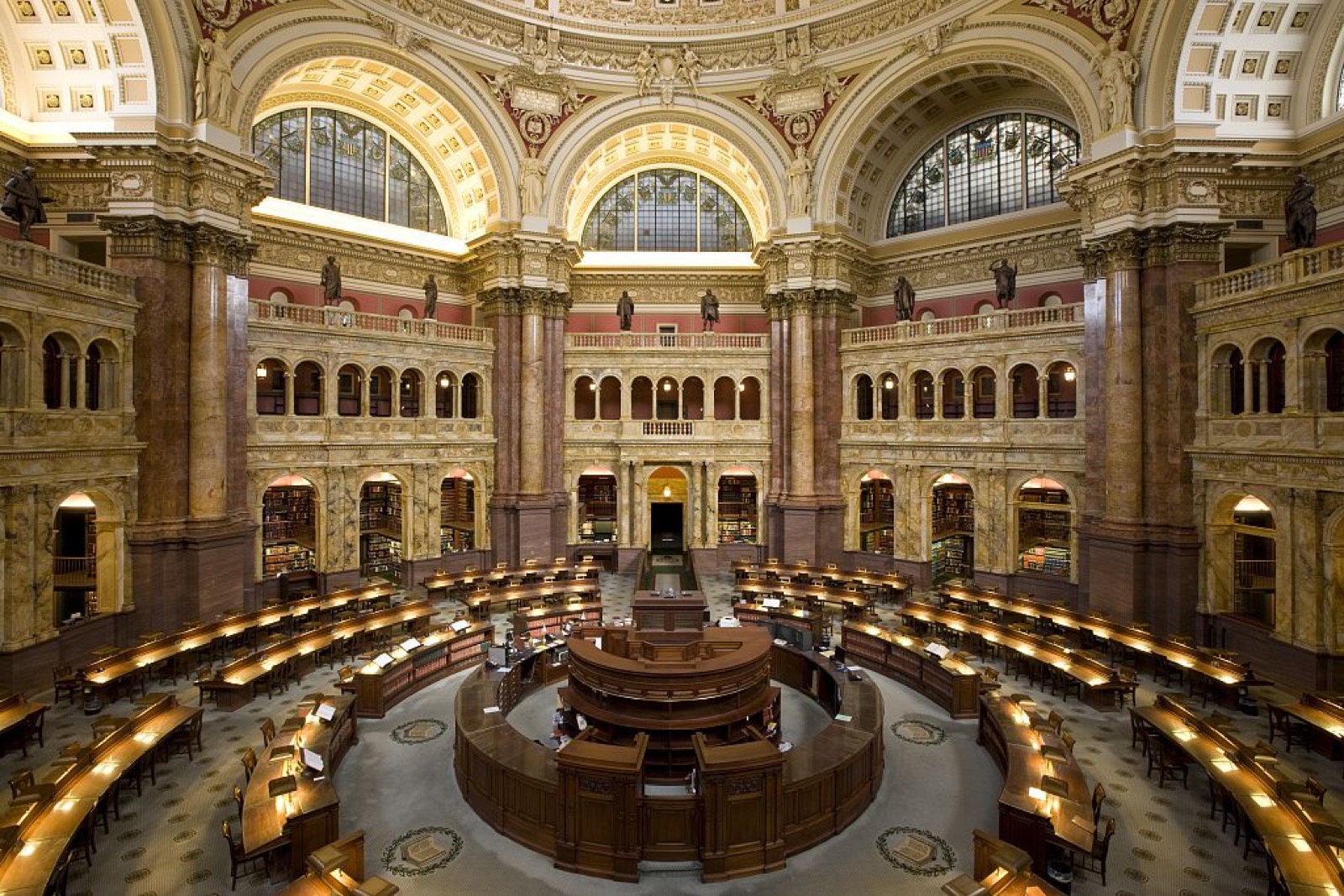
Researchers' desks in the Main Reading Room of the Library of Congress Thomas Jefferson Building.

Media Credits

Public Domain Does Not Mean Context-Free

Public-domain images still need creator, caption, collection, date, subject context, dignity review, and source link before they become responsible media.

Media DeskApr 30, 2026 / 7 min read

Media

Why trust this site

Briefs stays useful when readers can inspect the standards around it.

A collection page should do more than stack links. It should make the source route, correction route, and media-rights expectations easy to reach from the same shelf.

Editorial standards

See how CultureUp labels evidence, handles scope, and keeps public-memory claims disciplined.

Sources library

Open the source index to inspect institutions, collections, and records behind the reporting.

Corrections path

Readers can submit corrections and source notes through a visible, standing update route.

Media rights

Review how CultureUp treats captions, credits, permissions, and reusable editorial media.

Featured briefs

Start with the clearest entry point.

Look for the one record, term, date, or claim the brief is clarifying before treating it like a full report.

Library of Congress staff in the Main Reading Room of the Thomas Jefferson Building.

Public Memory / Media

Oral History Is Not a Footnote to the Official Record

Oral histories belong beside archives, public records, photographs, maps, and institutional files without forcing memory and paperwork to prove the same thing.

Standards DeskApr 30, 2026 / 6 min read

Short Brief
Browse briefs

Keep following the context.

Check what the page says a source can prove and what still needs deeper reporting or a longer explainer.

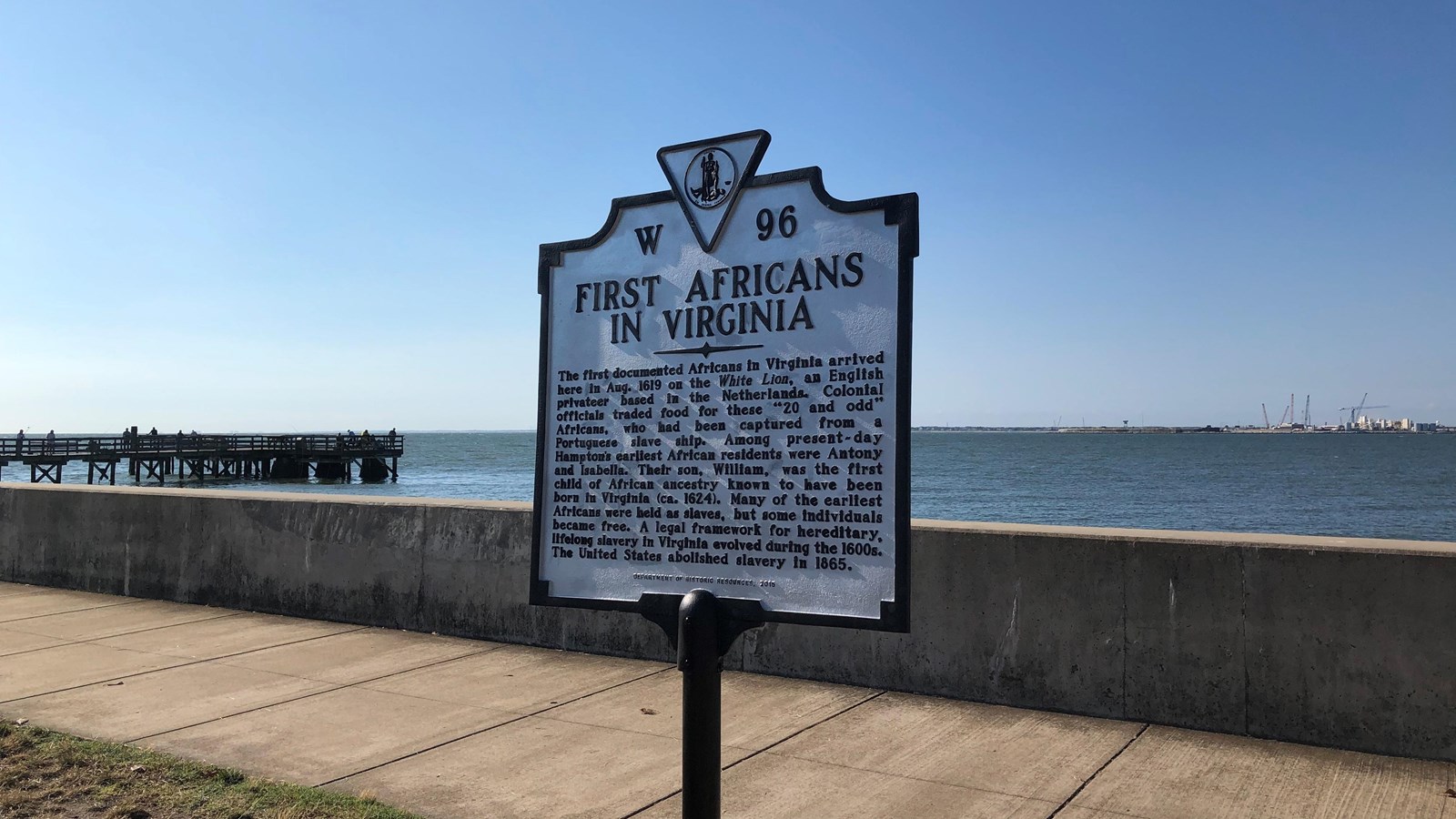
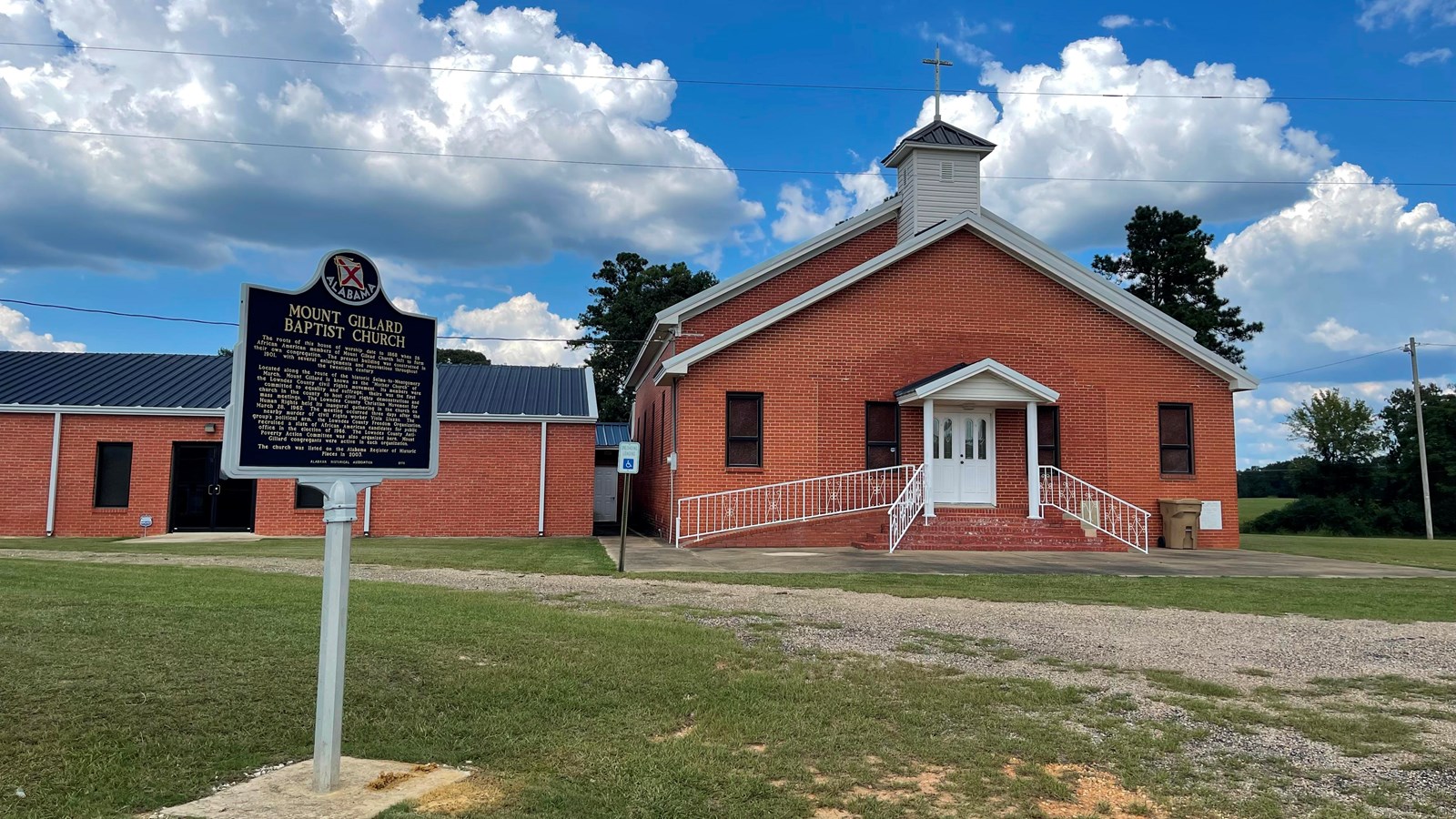
First Africans in Virginia historical marker at Fort Monroe, Virginia.

Public Objects / Field Notes

A Historical Marker Is a Doorway, Not the Final Word

Historical-marker stories need inscription, sponsor, date, source trail, geography, silences, and later corrections before readers treat a sign as history.

Research DeskApr 30, 2026 / 6 min read

Short Brief
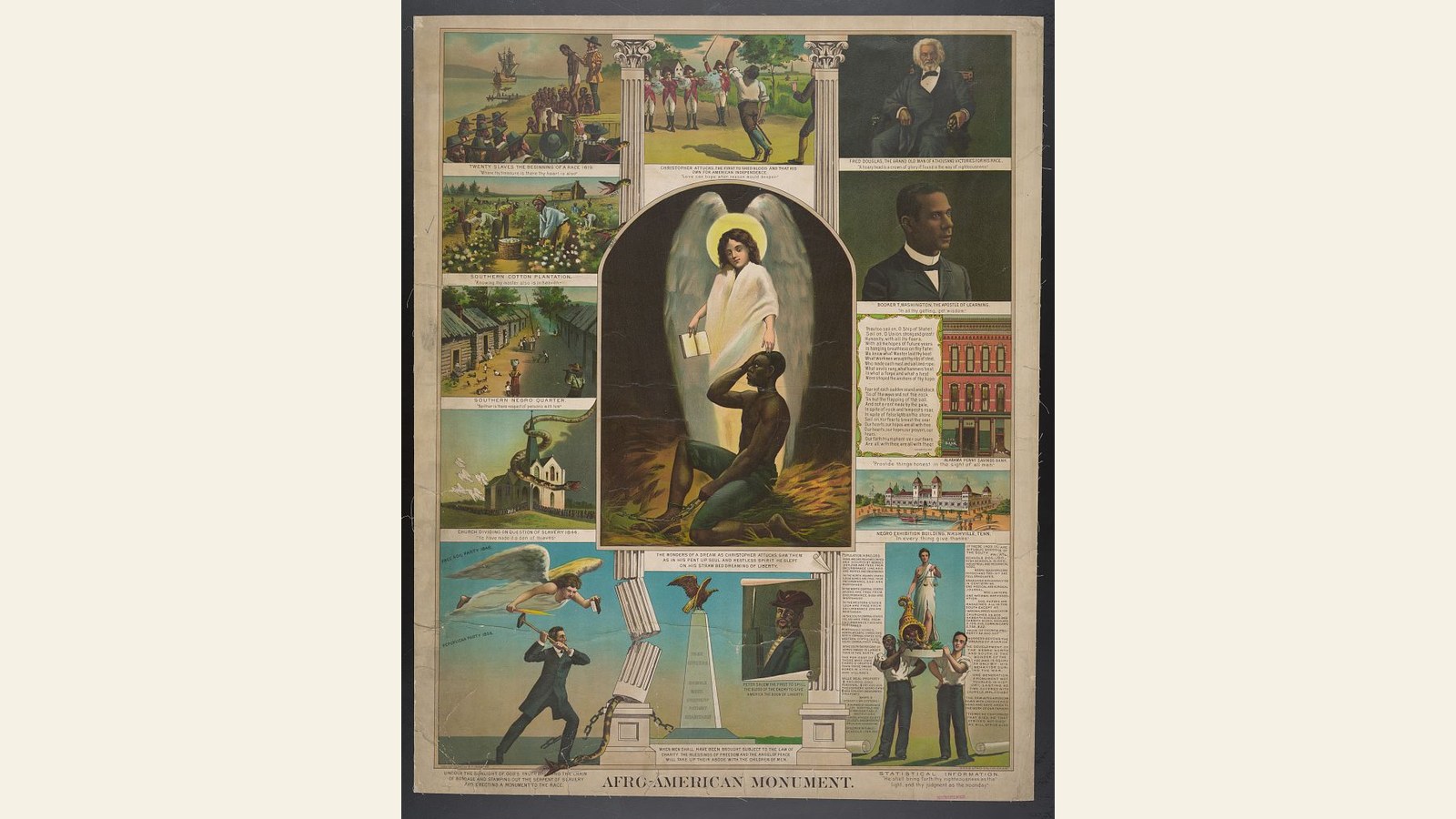
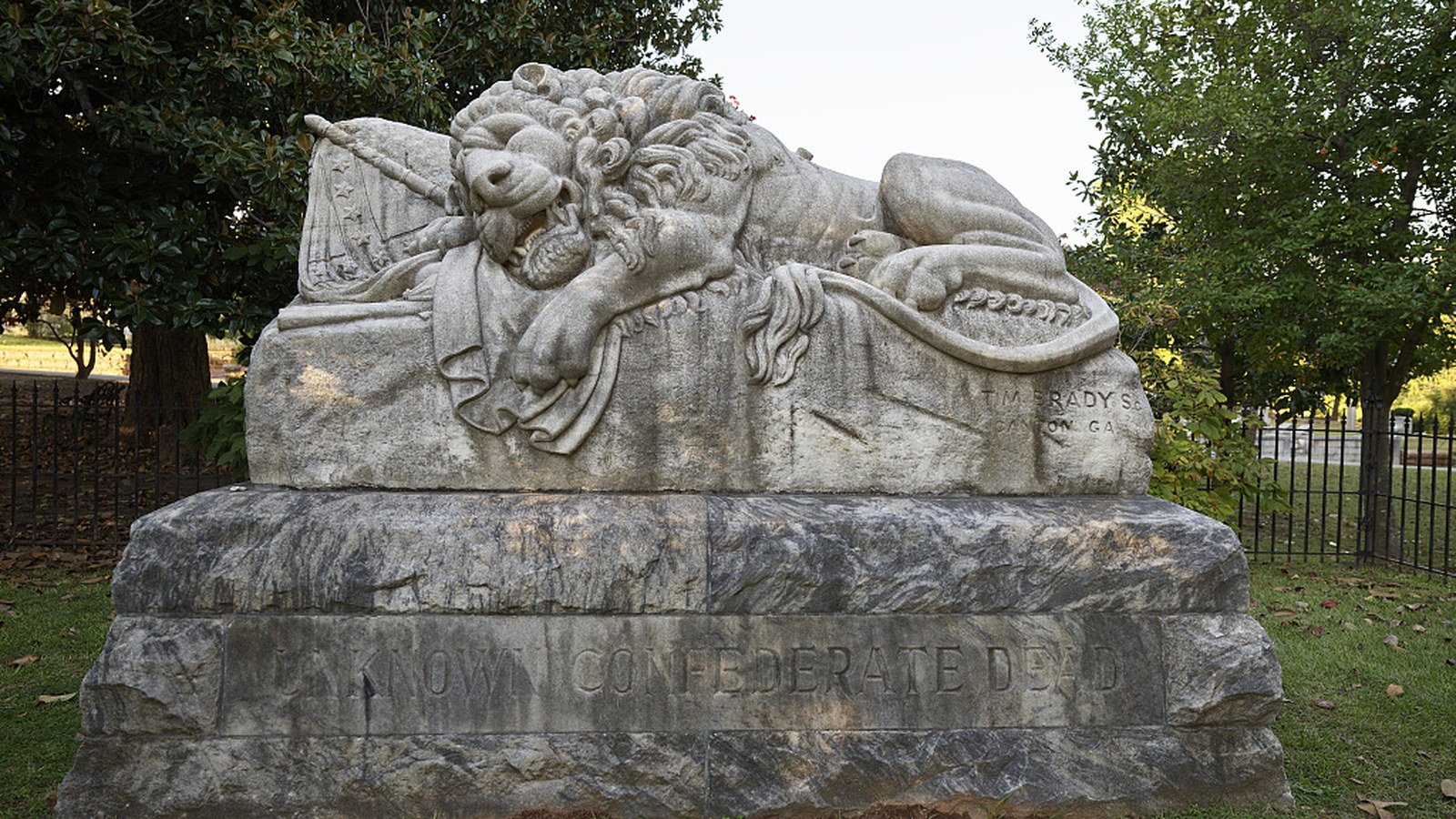
An elaborate grave marker at Oakland Cemetery in Atlanta, photographed by Carol M. Highsmith.

Black Public Memory / Cemetery Memory / Sensitive Records

Cemetery and Memorial Records Need Care Before They Become Public Memory

A cemetery record can name a person, place, marker, or institution. It cannot carry the whole story by itself. CultureUp reads burial and memorial records through source limits, descendant care, local stewardship, and correction paths.

Standards DeskApr 30, 2026 / 10 min read

Short Brief

CultureUp Dispatch

Join the CultureUp Dispatch.

Get stories with sources attached, public-memory features, music and media updates, and community calls without the noise.

Source notes includedMusic and media notes

Add your email interest and CultureUp will route follow-up through the editorial contact desk.