Skip to content
Browse CultureUp
Sequence

Timelines

Chronology-first story paths that make dates, turning points, gaps, and related evidence easier to scan before reading the full narrative.

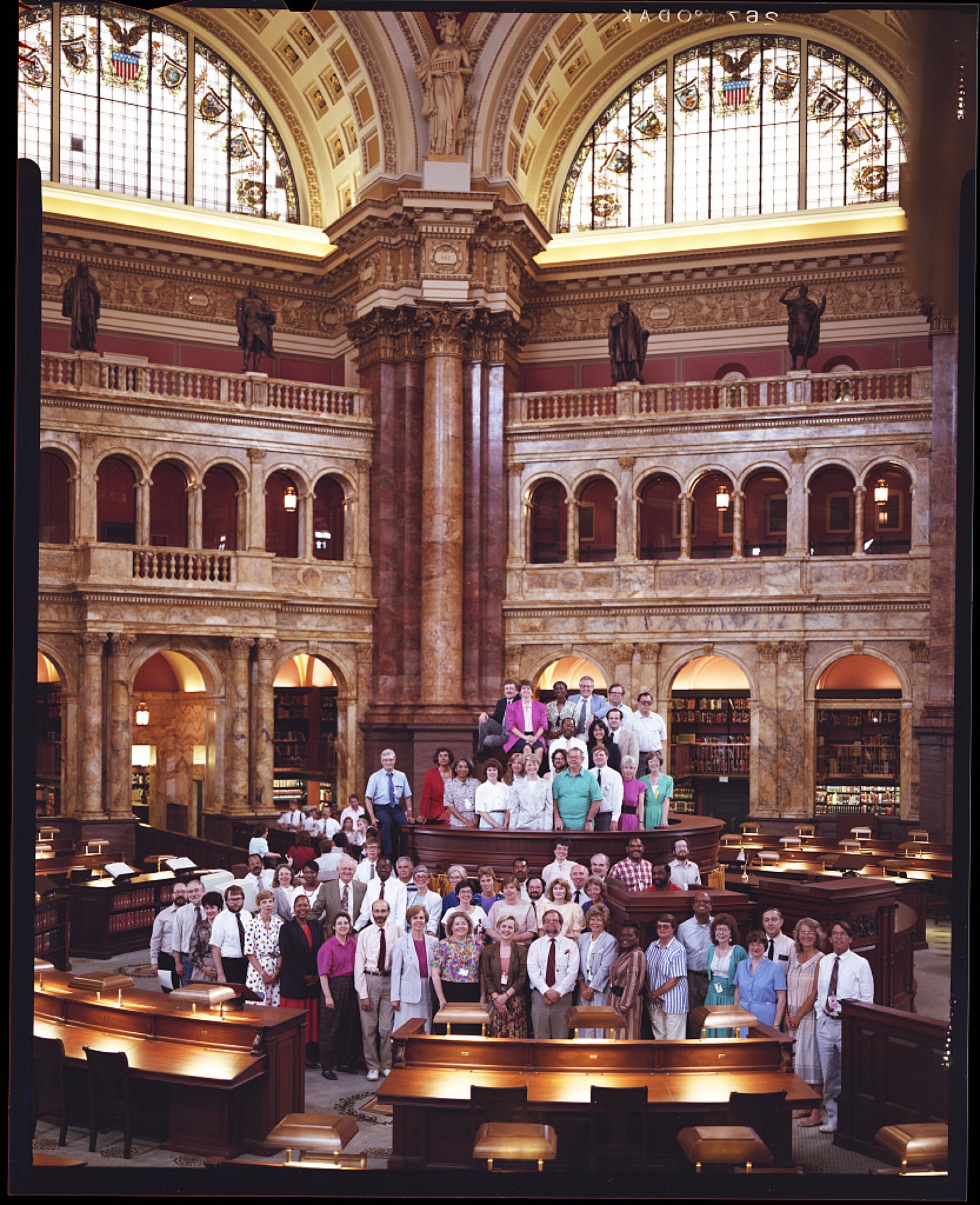
Library of Congress staff in the Main Reading Room of the Thomas Jefferson Building.
Current content
5 timelines live
Best for
Context
Related lanes
Stories

Collection archive

Timelines index

A curated first page keeps the collection readable while Explore, the sources library, and the sitemap preserve full-corpus discovery.

Curated view

Showing 3 of 3

How to read this lane

Timelines should make sequence, gaps, and turning points legible before readers jump to interpretation or summary.

CultureUp timelines exist for moments when chronology is part of the argument. They help readers see what happened first, what changed later, what dates are exact or approximate, and where an event trail still has gaps. A timeline is useful when it sends a reader back into deeper narrative or source work with a clearer sense of order, not when it becomes decorative filler.

Reader checks

  • Check whether the dates are exact, approximate, or contested before treating the sequence as settled.
  • Look for institutions, policies, or events that explain why one point leads to the next.
  • Use the linked story or source trail when the sequence raises causal claims the timeline alone cannot prove.

Why this page exists

A collection page should give readers an editorial reason to stay.

These pages are for readers who need sequence before argument. Timelines slow the story down enough for dates, institutions, and turning points to become legible.

CultureUp timelines are not decorative chronology. They are public-memory tools that help readers see what happened, in what order, under what system, and with what evidence.

Reader checks

  • What becomes clearer when events are arranged in sequence?
  • Which dates are exact, approximate, or still contested?
  • Where should a timeline send the reader once the basic sequence is clear?

Start here

Three strong entry points for this shelf.

Why trust this site

Timelines stays useful when readers can inspect the standards around it.

A collection page should do more than stack links. It should make the source route, correction route, and media-rights expectations easy to reach from the same shelf.

Editorial standards

See how CultureUp labels evidence, handles scope, and keeps public-memory claims disciplined.

Sources library

Open the source index to inspect institutions, collections, and records behind the reporting.

Corrections path

Readers can submit corrections and source notes through a visible, standing update route.

Media rights

Review how CultureUp treats captions, credits, permissions, and reusable editorial media.

Featured timelines

Start with the clearest entry point.

Check whether the dates are exact, approximate, or contested before treating the sequence as settled.

Browse timelines

Keep following the context.

Look for institutions, policies, or events that explain why one point leads to the next.

CultureUp Dispatch

Join the CultureUp Dispatch.

Get stories with sources attached, public-memory features, music and media updates, and community calls without the noise.

Source notes includedMusic and media notes

Add your email interest and CultureUp will route follow-up through the editorial contact desk.