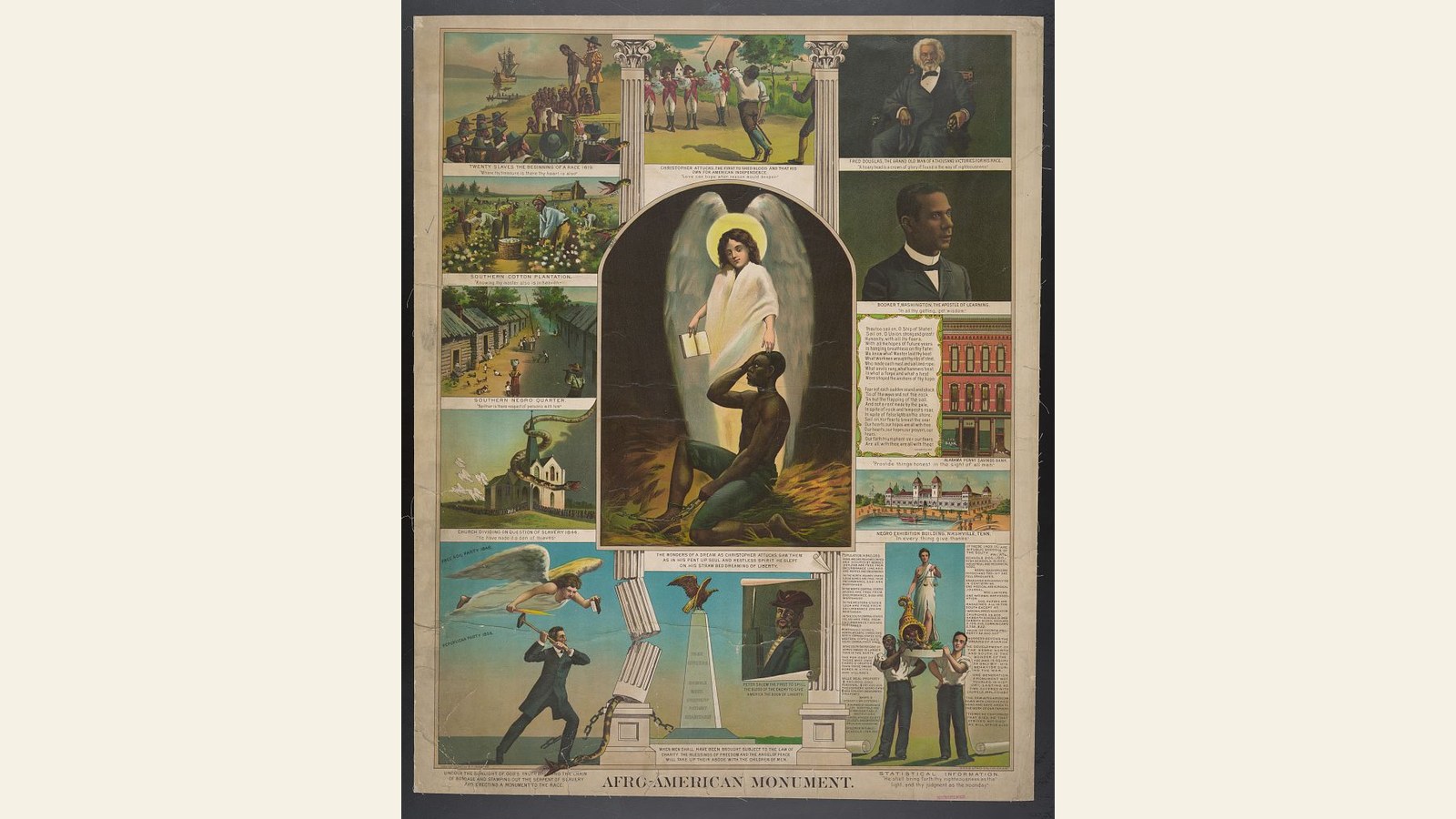
A monument is not neutral public furniture. It is an argument about memory, importance, and permanence placed in physical space. CultureUp readers benefit when the page teaches them to read that argument instead of only admiring or rejecting the object at a distance.
That does not mean every monument has one simple message. It means that location, commissioning context, inscription, material, placement, and later reinterpretation all matter. A strong field guide helps the reader ask better questions before they turn the site into a quick moral conclusion.
The attached National Park Service, National Register, and primary-source-analysis materials support that kind of reading practice. They give the page enough evidence to explain how public-memory sites can be studied as designed lessons in remembrance.
Opening context
This page is built to keep the claim narrow enough that the attached source trail can still do real work for the reader.
The core story
That makes monument reading a practical civic skill rather than a purely academic one. The reader learns to move from surface symbolism to record trail, sponsorship, and public-memory function.
The first question is who built or sanctioned the monument and in what historical moment. That timeline can tell the reader whether the monument commemorates an event close to its occurrence or reflects a later memory campaign with its own politics and priorities.
The second question is what the monument emphasizes and what it omits. Inscriptions, images, names, symbols, and orientation all teach the visitor how to frame the subject. A field guide should help the reader see that curation rather than acting as if stone or bronze speaks for itself.
The third question is what records travel with the site. Register materials, local archives, planning documents, school resources, and related commemorations can show whether the monument stands alone or belongs to a larger public-memory system. That is where the site becomes legible as a record rather than just a landmark.
What the record shows
The current sources support a durable monument-reading brief: location, commissioning context, inscription, and supporting records are enough to turn a casual visit into a more evidence-aware encounter with public memory.
Reader verification card
| Check | Why it matters |
|---|---|
| Owning source and record type | Tells the reader what public system or institution is actually making the claim |
| Time, geography, or scope | Prevents a narrow or outdated record from sounding universal |
| Limit and next route | Shows what the source cannot prove by itself and where the reader should verify more |
What the record does not show
These sources do not resolve every community dispute around monuments, and they do not let the page pretend that a site’s official wording exhausts its meaning. They support careful reading, not final closure.
Why this matters for CultureUp readers
That reading habit makes later coverage of memorials, markers, museums, and renamed sites easier to follow because the reader already knows how public memory gets staged.
CultureUp readers encounter monuments as part of school memory, tourism, civic conflict, and neighborhood identity. A field guide helps them read what the site is trying to stabilize in public memory.
Readers who learn to read monuments critically become better at reading public memory everywhere else. They stop treating the built environment as passive and start noticing how institutions try to direct remembrance.
Media and caption note
Monument visuals should stay tied to place, inscription, and context. A cropped beauty shot is less useful than an image or caption that tells the reader what the site is teaching and what records can extend the reading.
Source notes and correction path
Published source brief. Sources include National Park Service Teaching with Historic Places and National Register materials.
A monument reading should also ask who maintains the object, who is expected to pass it daily, and what public record would let a reader verify the date, sponsor, inscription, and later community response.