Build the timeline first or the article will hide the gaps. CultureUp should not treat chronology as a decorative appendix to a finished story when a careful sequence is often what reveals missing links, overclaimed transitions, or weak causal leaps in the first place.
That does not mean every page needs a giant date list. It means the editorial process benefits when time is structured before the prose starts smoothing over uncertainty. A timeline can show where the record is dense, where it thins out, and where the article must be more cautious.
The current Library of Congress, National Park Service, and National Archives materials support that method directly. They give this page enough grounding to explain why timeline discipline is part of source-aware storytelling, not a side task after the article is already written.
Opening context
Readers usually encounter a finished article first and a timeline second, if they see the timeline at all. That order can make weak articles feel more complete than they really are. A polished opening paragraph can imply a clean story arc even when the underlying dates, records, or transitions are still uncertain.
CultureUp works better when chronology is treated as evidence. Before a writer claims that one institution led to another, or that one event changed a community, the page should be able to show what happened when, what is firmly dated, and what remains interpretive. The timeline is the fastest way to expose whether the record actually supports the narrative pressure the article wants to create.
The core story
The first task is to recognize what a timeline can do that narrative often cannot. A timeline forces the writer to name dates, sequence, and evidentiary gaps. Once those are on the table, it becomes much harder for the article to imply continuity or causation that the record does not actually support.
The second task is to use the timeline as a source test. If the event order cannot be stated clearly, or if crucial moments rely on vague approximations such as "around this period" or "soon after," then the article needs more restraint. That does not make the story weaker. It makes the page more honest about what is established and what is still inferential.
The third task is to let the timeline shape what the article cannot yet claim. A gap on the timeline is not editorial failure. It is useful information about the state of the record. A stronger article will acknowledge that gap instead of hiding it inside smoother prose or overconfident transitions.
This is especially useful on public-memory pages, archive explainers, and historical features that weave together institutional records, monuments, oral memory, or later reinterpretations. Once those materials are laid out in sequence, readers can see where memory, commemoration, and documentation reinforce one another and where they do not.
What the record shows
The current sources support a practical editorial rule: build the sequence early enough that chronology can expose weak transitions, missing evidence, and overstatement before the narrative hardens. Library of Congress primary-source guidance pushes readers to observe and question before concluding. National Park Service place-based teaching materials show how time, site, and record can be held together. National Archives citation guidance reinforces that a timeline is only useful if the underlying records can be found again.
Taken together, those materials do not merely suggest adding dates to a story. They support a workflow in which dates, documents, and place references are organized early enough to affect the article structure itself. That is the difference between a timeline used as decoration and a timeline used as verification.
Reader verification card
| Check | Why it matters |
|---|---|
| Source owner and record type | Shows what institution or record system is establishing the date and sequence |
| Time, scope, or method | Prevents one dated item from standing in for a whole period or transition |
| Gap and next route | Shows where the record thins out and what source path would be needed before stronger claims are made |
What the record does not show
These sources do not make every event sequence easy to reconstruct, and they do not guarantee that a timeline will solve every interpretive problem. A clean chronology can still leave open questions about causation, motive, or significance.
They also do not mean that every story should be reduced to dates alone. CultureUp still has to explain why a sequence matters. The point is narrower and more useful: the sequence should be visible early enough that the prose cannot outrun it.
Why this matters for CultureUp readers
Readers benefit from stories that respect time instead of flattening it. A page like this makes chronology visible as part of trust, not just as one more formatting choice. It teaches readers to ask what happened first, what overlaps, what changed later, and whether the article is honest about those transitions.
That habit improves everything from public-memory coverage to data stories. It is one of the clearest ways to turn source literacy into a reader-facing editorial standard instead of an invisible internal process.
Media and caption note
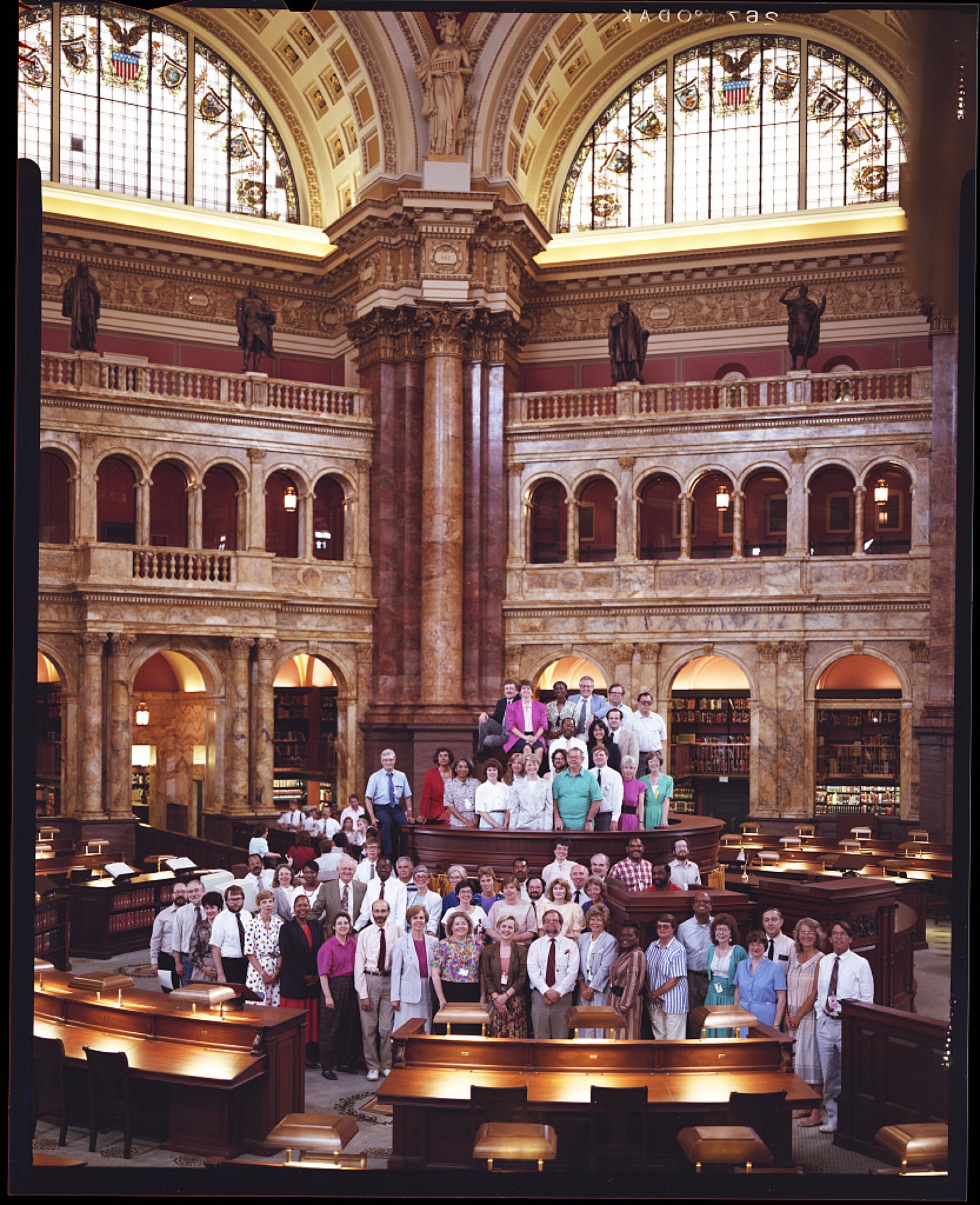
If a timeline visual appears, the caption should reinforce that chronology is serving as an evidence tool. The design should help the reader see sequence, source ownership, and record density, not merely decorate the page. A timeline image without dates or source context is doing the opposite of what this article recommends.
Source notes and correction path
Published source guide. Sources include Library of Congress primary-source analysis guidance, National Park Service Teaching with Historic Places resources, and National Archives citation guidance.
Readers can request corrections at /corrections. Approved updates should revise this source-controlled CMS record, preserve visible source notes, and tighten any chronology that later evidence improves or challenges.