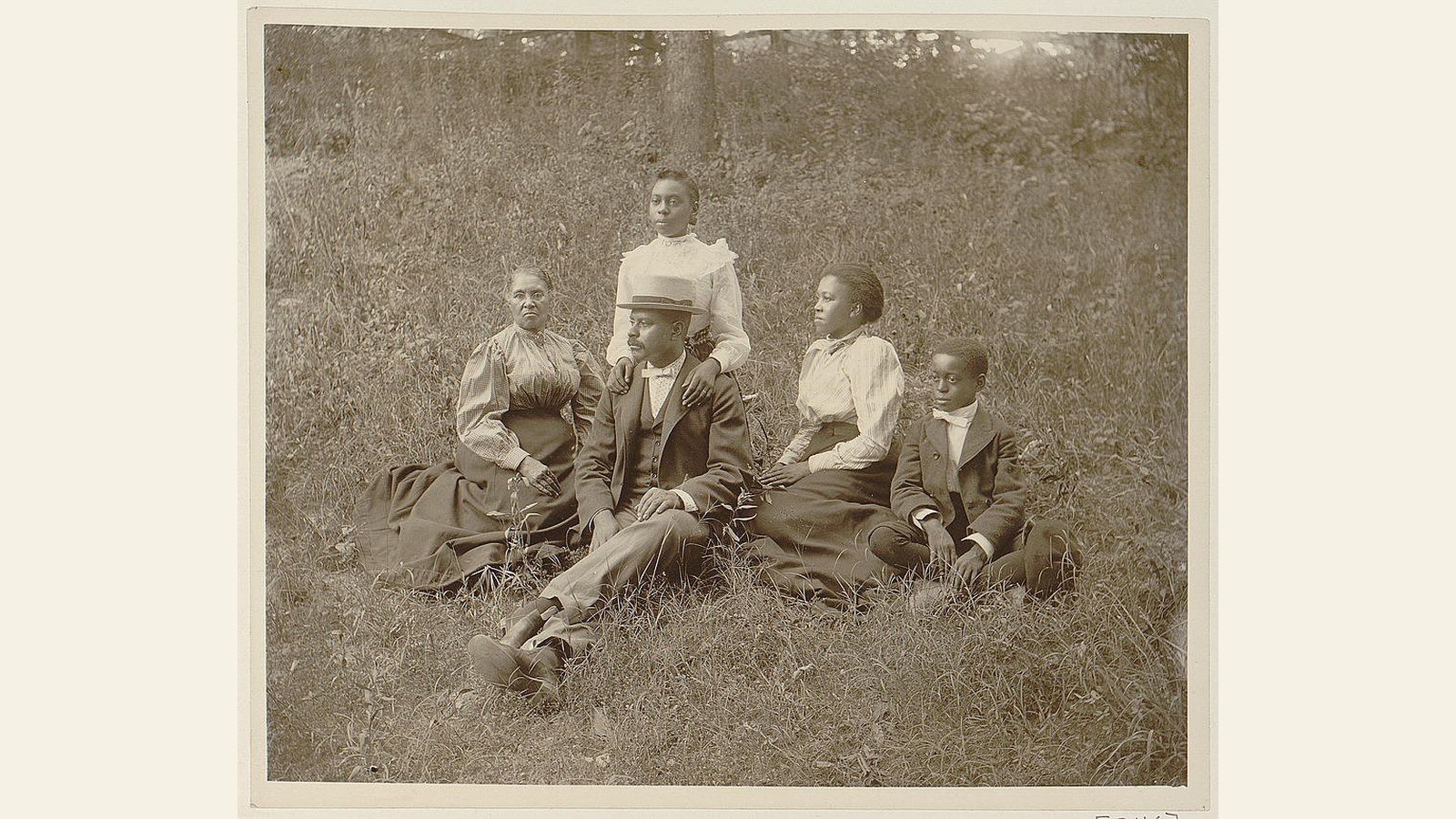
Public memory often begins with records too small to look important: a church program, a receipt, a flyer, a meeting note, an obituary, a family snapshot, a neighborhood map. Those objects do not look like polished history on first contact, but they are often where the durable public record actually starts.
CultureUp is built for that scale of evidence. The page should not ask readers to admire everyday archival material as quaint texture. It should show them why small records can carry major civic meaning when they are dated, credited, contextualized, and connected to people who can interpret them.
Opening context
That is a crucial lesson for CultureUp because public memory is often discussed only after a site receives a marker, a collection, or a museum-quality narrative. By then, much of the earlier record trail has already been filtered. The everyday archive lets readers see memory before it becomes official language.
The attached Library of Congress, National Archives, and Smithsonian oral-history materials support that source-aware frame well. They provide a method for reading primary sources, citing archival records, and treating oral histories as planned evidence rather than loose anecdote. That is enough for a stronger CultureUp feature.
The core story
A durable public-memory article therefore has to show movement from object to context. A church flyer can point to a place, a date, and a community rhythm. A family photo can reveal dress, setting, or occasion while still leaving names or circumstances unresolved. A receipt can locate a business or event within everyday life rather than monumental history. None of those items are self-explanatory, but each can anchor a richer question.
This is why source notes belong on the page rather than off to the side as hidden production material. The source note tells the reader what kind of record they are looking at, how it was preserved, and where its interpretive limits begin. That does not drain the narrative of life. It gives the narrative a trustworthy spine.
The same principle applies to oral history. A remembered story can preserve local meaning that never entered institutional records, but the page should still tell readers whether the account comes from a planned oral-history practice, a transcript, a family recollection, or another kind of testimony. The public-memory gain comes from keeping memory and method together.
Small records matter because institutions often miss what local life preserves. A church bulletin can show who gathered, who was mourned, or what event mattered. A receipt can place a business, a route, or an ordinary transaction in time. A meeting note can reveal civic process before it became official history. These objects are not substitutes for wider reporting, but they are often the first stable pieces of the story trail.
That is why context is everything. The page should ask who kept the item, why it survived, what date and creator information travel with it, and who has the right to interpret it publicly. Everyday archives need the same rigor as grand archives, even if the materials look humbler on the surface.
Oral history belongs in this lane as well, but not as an escape from method. An interview can preserve memory that never entered official files, yet it still needs consent, transcript logic, follow-up review, and a clear explanation of what kind of evidence it is providing. That is what turns testimony into a trustworthy part of the public-memory trail.
What the record shows
The current source set supports a stronger editorial claim than nostalgia would. Primary-source guidance, archival citation practice, and oral-history method together show that everyday records become public-memory evidence through context, citation, and care. The page is therefore about interpretive discipline as much as affection for the small object.
The current sources support a clear CultureUp lesson: everyday items can function as serious records when date, creator, context, citation path, and interpretation limits remain visible. Library of Congress supports primary-source reading. National Archives supports citation discipline. Smithsonian supports oral-history method. Together they support a richer public-memory feature than a simple nostalgia page would.
Reader verification card
| Check | Why it matters |
|---|---|
| Date and creator | Anchors the item in time, place, and authorship |
| Context note | Explains what the item can show and what it cannot |
| Permission and credit | Protects family, community, and local-archive trust |
What the record does not show
These sources do not make every everyday item self-evident or publish-ready. A small object can still be misread, decontextualized, or ethically mishandled. The page supports careful interpretation, not automatic elevation.
Why this matters for CultureUp readers
Readers who understand the everyday archive read the world differently. They stop waiting for official commemoration before taking a place, family object, or local program seriously. That shift matters for communities whose records were scattered, underdescribed, or preserved outside elite institutions.
Readers often think public memory begins when a museum, monument, or official archive confirms it. This page teaches the opposite lesson: the everyday archive is often where confirmation has to start. That makes readers better at seeing history before it has been polished.
Media and caption note
A page about everyday archives should model restraint and specificity. If an item is shown, the caption should carry enough context to explain what the object is, what it can verify, and why its rights or holder status affects whether it can be shared widely.
Everyday-archive features should use source-backed imagery with visible holder, date, and context. The visual lane should respect the fragility and specificity of small records rather than aestheticizing them into vague heritage mood.
Source notes and correction path
Published source guide. Sources include Library of Congress primary-source guidance, National Archives citation guidance, and Smithsonian oral-history records.