A place story fails when it reads like a travel caption with better lighting. CultureUp is not in the business of swapping scenic description for public-memory reporting. A place page has to tell readers what records, histories, institutions, and conflicts make the site meaningful beyond atmosphere.
That does not mean the sensory life of a place is irrelevant. It means the page should not let the beauty of setting or the rhetoric of destination substitute for the evidentiary work that turns a location into a public-history subject.
The attached National Park Service and public-object materials support that distinction directly. They give the page enough footing to explain why place-based storytelling needs context and source trail rather than lifestyle framing alone.
Opening context
This page keeps the claim narrow enough that the attached source trail can still support the reader-facing explanation.
The core story
That is the key difference between destination writing and public-memory writing. A CultureUp place story has to teach the reader what the site records, stages, or preserves, not only how it feels to stand there.
The first task is to identify what kind of place object the page is dealing with. Is it a commemorative site, an institution, a neighborhood landscape, a park, a burial ground, or another kind of public-memory location? The story should tell the reader what makes the site legible as a record-bearing place.
The second task is to move from scenery to context. The look and feel of a place can matter, but the article becomes stronger when it also shows who built, named, used, contested, preserved, or interpreted it. That is what separates a public-memory story from a polished visit log.
The third task is to keep source trail visible. Place stories often tempt writers into mood without evidence. CultureUp helps most when the article gives the reader a route from site to record rather than only a route from site to vibe.
What the record shows
The current sources support a straightforward place-story rule: identify the site as a public object, show what records or institutional histories make it meaningful, and do not let scenic writing substitute for source trail.
Reader verification card
| Check | Why it matters |
|---|---|
| Source owner and record type | Shows what public system or institution is actually making the claim |
| Time, scope, or stage | Prevents a narrow or partial record from sounding universal |
| Limit and next route | Shows what the source cannot prove by itself and where the reader should verify more |
What the record does not show
These sources do not make every beautiful place historically legible by default, and they do not justify treating a site as meaningful without showing the record around it. They support disciplined place reporting.
Why this matters for CultureUp readers
The page teaches a stronger reading habit: look for what a place records and stages before letting the scenic frame take over the story.
Readers gain a better vocabulary for seeing historical and civic meaning in place when the page refuses to stop at atmosphere.
Readers deserve place pages that teach them how to see public memory in the built environment rather than only how to admire a setting. This page builds that habit.
Media and caption note
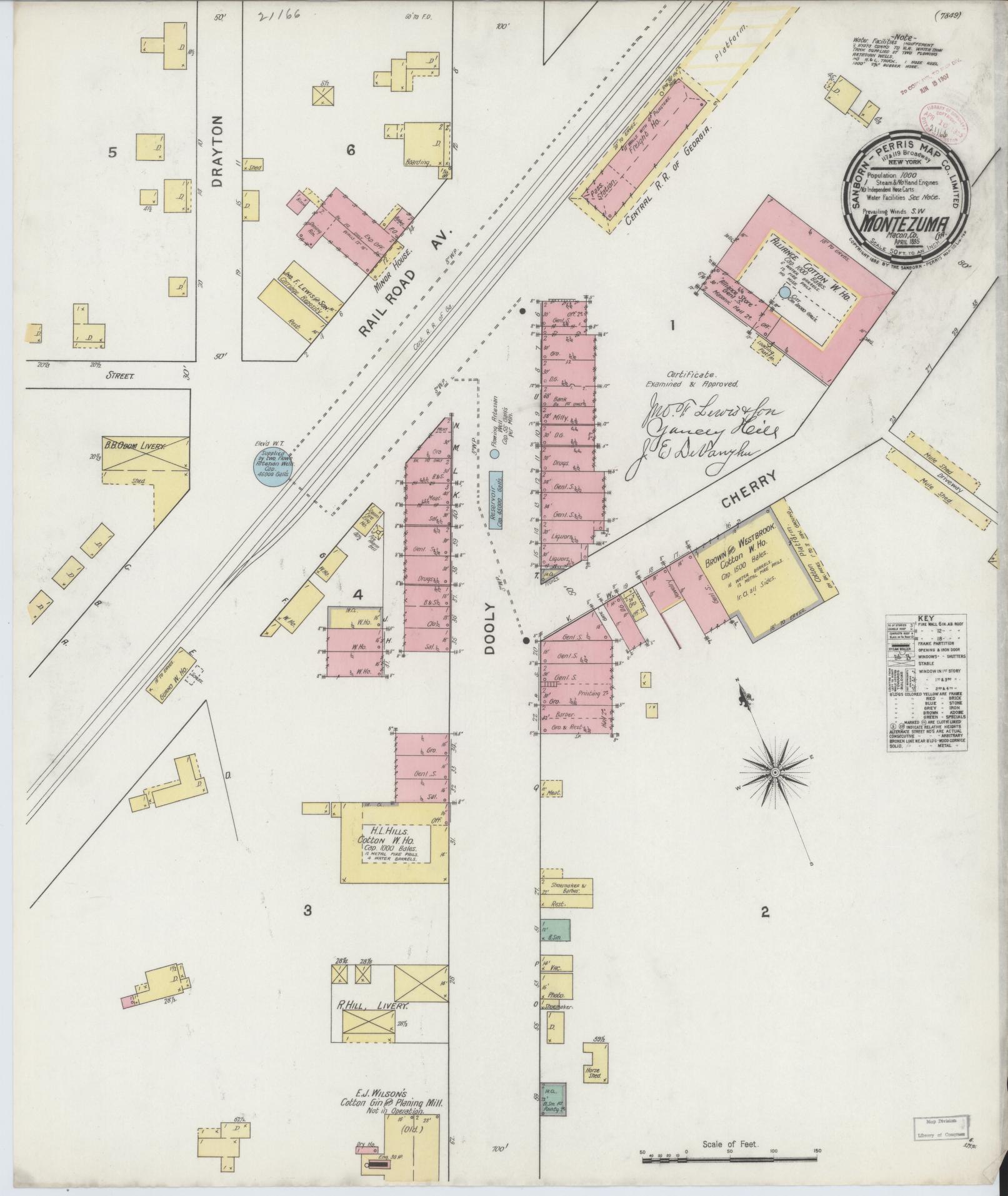
Place visuals should be captioned with site context, source path, and why the location matters historically. The image should deepen the record, not replace it.
Source notes and correction path
Published source brief. Sources include National Park Service place-based learning guidance and CultureUp public-object standards.
Place-memory reading practice
A place-memory story should also help readers slow down before turning a site into a backdrop. Street names, buildings, cemeteries, churches, schools, corner stores, transit stops, and historic markers can all carry memory, but they do different kinds of work. CultureUp asks whether the page shows the reader which part of the place is documented, which part is interpretation, and which part still needs a stronger public record. That distinction protects the community from flattening and protects the reader from treating a beautiful location as proof without context.