The best news tip usually has a public record hiding behind it. CultureUp should teach readers that a rumor, frustration, or local observation becomes much stronger when it points toward a traceable document, docket, filing, archive item, or notice trail.
This is not about making every reader into a records clerk. It is about showing that the strongest public-interest leads often arrive half-formed until someone asks what record would make the tip legible and checkable.
The current National Archives, Federal Register, Congress.gov, and historic newspaper materials support that exact public-record frame. They give the article enough grounding to explain why records literacy improves both reporting and reader trust.
Opening context
This page keeps the claim narrow enough that the attached source trail can still support the reader-facing explanation.
The core story
That is what makes public records so useful to the tip process. They give both readers and editors a way to move from instinct or observation toward something that can be checked, deepened, or contradicted with real documentary substance.
The first task is to shift from claim to record question. If a reader says a rule changed, a site is threatened, a community promise was broken, or a local decision happened quietly, the next step is to ask which record system would likely show that. The page becomes stronger once that instinct is visible.
The second task is to explain that different public records answer different kinds of tips. A bill record, archival catalog, newspaper scan, agency notice, or docket page may each serve a different investigative route. CultureUp helps most when it teaches readers to match the tip to the likely record lane.
The third task is to keep record discovery approachable. A good page should make records feel like tools for clarity rather than distant institutional barriers. That means explaining what they can reveal and why they often make a weak tip stronger without pretending every tip already arrives fully documented.
What the record shows
The current sources support a durable tip-literacy rule: strong news tips often become usable when they are paired with the public record system most likely to verify, complicate, or deepen the initial claim.
Reader verification card
| Check | Why it matters |
|---|---|
| Source owner and record type | Shows what public system or institution is actually making the claim |
| Time, scope, or stage | Prevents a narrow or partial record from sounding universal |
| Limit and next route | Shows what the source cannot prove by itself and where the reader should verify more |
What the record does not show
These sources do not make every tip immediately provable, and they do not mean every important story begins with a neat public document. They support a better first move toward verification.
Why this matters for CultureUp readers
That habit improves both tip quality and reader skepticism. It trains readers to look for the documentary trail that could strengthen or complicate what they heard.
This page helps readers become better collaborators in public-interest reporting because they can start to see what kind of record might make a local lead stronger.
Readers who understand the value of public records become better collaborators and better skeptics. They can help surface stronger tips and recognize why some stories mature faster than others.
Media and caption note
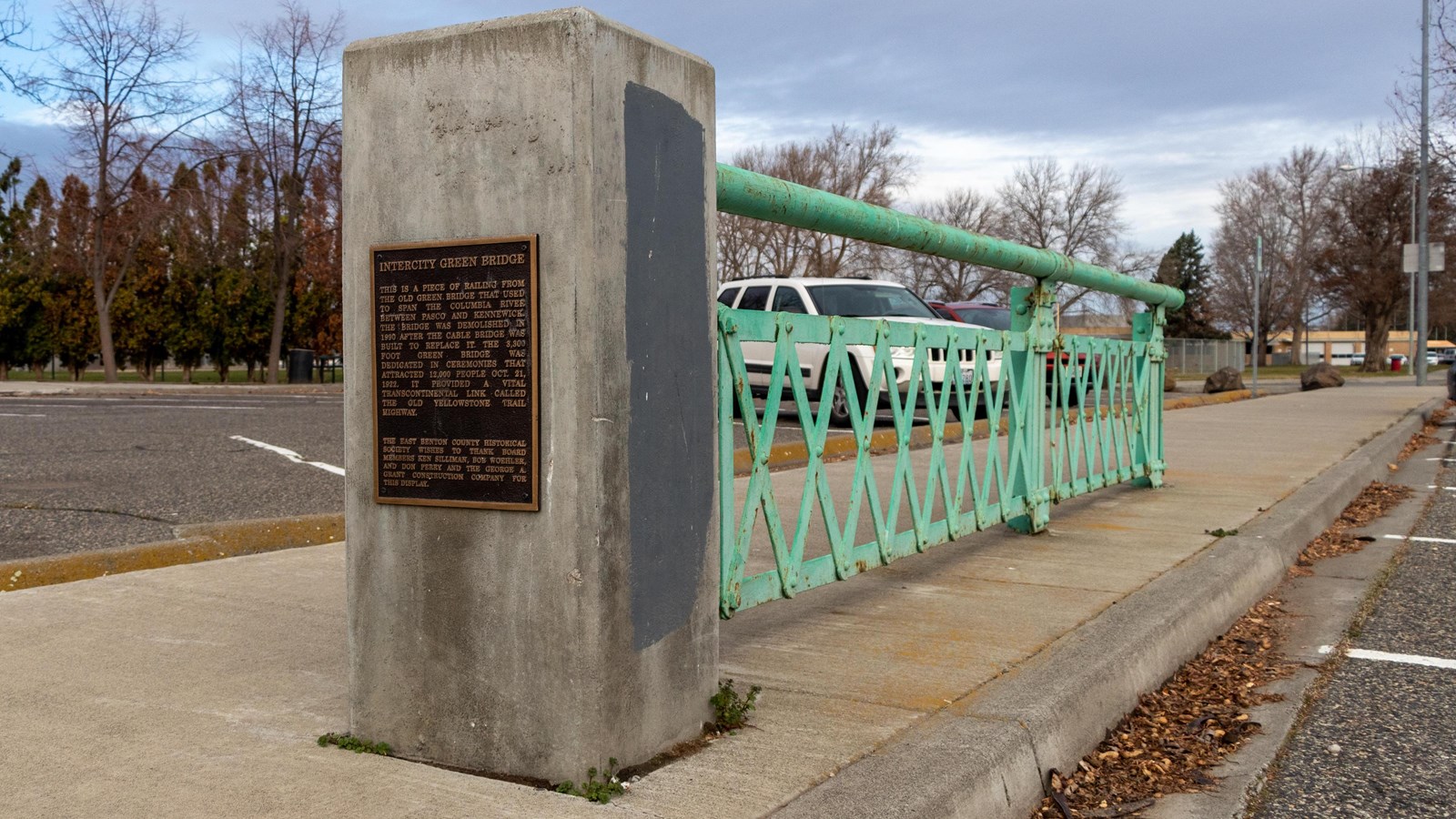
Any image or record screenshot here should be captioned with the record system it represents and the type of tip it can help verify. The visual should teach method, not just mood.
Source notes and correction path
Published source guide. Sources include the National Archives Catalog, Federal Register, Congress.gov legislation records, and Library of Congress newspaper collections.