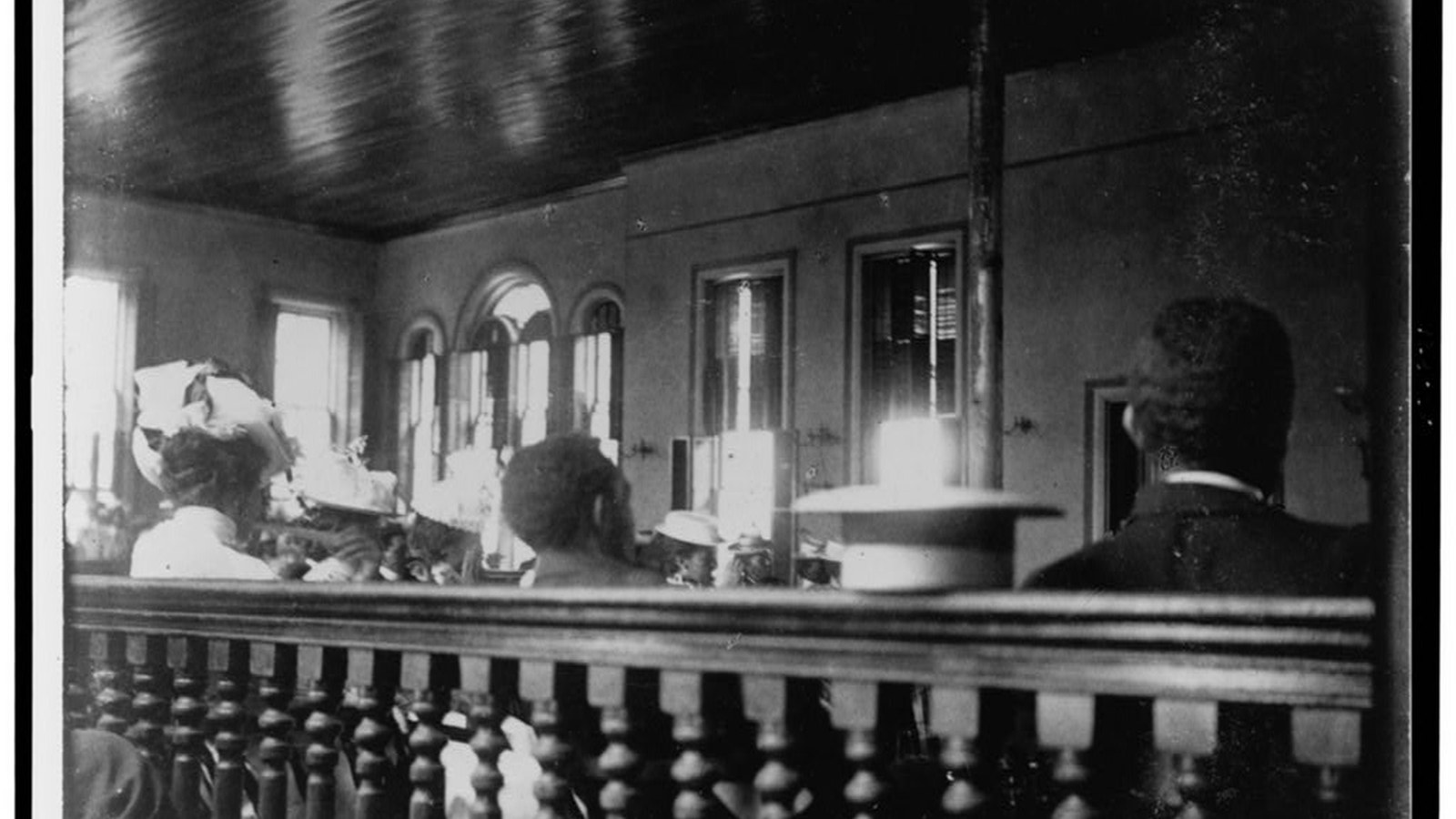
Some CultureUp stories will work best as packages instead of single-source explainers. A marker can show public recognition. A map can show movement or neighborhood context. A hymn, program, or recording note can show community memory and public voice.
The risk is treating those materials as if they prove the same thing. A marker may prove commemoration. A map may prove location or route. A hymn may carry memory, performance, belief, or movement context. The article should tell readers which evidence is doing which job.
Opening context
A Marker, a Map, and a Hymn Can Tell Three Different Versions of the Same Memory belongs on CultureUp because it teaches readers how public memory is built from records, places, institutions, media, and limits. The page should not ask readers to trust a headline alone. It should show the route from the claim to the source, then explain what the source can and cannot carry.
The attached CultureUp and Smithsonian-context sources support a package model: public objects, maps, and gospel source trails can sit together when the page tells readers what each source type can and cannot prove.
The attached source trail is intentionally visible: 1. Black church memory guide (CultureUp): CultureUp guide for treating Black church sites as worship, education, organizing, music, burial, and neighborhood-memory infrastructure. 2. Gospel source trail (CultureUp): CultureUp guide for naming performer, recording context, rights status, and public-memory context before publishing gospel media. 3. African American Gospel Music (Smithsonian Folkways Recordings): Smithsonian Folkways playlist context describing gospel's relationship to spirituals, hymns, migration, churches, and communities.
The core story
A marker can show commemoration. A map can show place, route, boundary, or official geography. A hymn can carry worship, movement, memory, or performance context. The record is strongest when those jobs stay separate.
What the record shows
A marker can show commemoration. A map can show place, route, boundary, or official geography. A hymn can carry worship, movement, memory, or performance context. The record is strongest when those jobs stay separate.
Source trail for readers
These are the sources already attached to this CMS record. They are the allowed evidence base for this depth pass.
| Source | Institution or credit | Reader route |
|---|---|---|
| Black church memory guide | CultureUp | /stories/black-church-public-memory |
| Gospel source trail | CultureUp | /stories/what-a-gospel-source-trail-should-include |
| African American Gospel Music | Smithsonian Folkways Recordings | https://folkways.si.edu/african-american-gospel-music/music/playlist/smithsonian |
What the record does not show
The attached sources do not prove that every map reflects lived experience, every marker reflects community consensus, or every hymn performance has the same meaning across time. Those are interpretation questions, not automatic facts.
Why this matters for CultureUp readers
CultureUp is built for readers who move between place, music, and public memory. This page teaches the core habit: do not let one powerful object do more evidentiary work than it can carry.
This is especially important when a story joins place and song. A reader may feel that the marker, map, and hymn are telling one seamless story, but the editorial job is to keep their evidence roles distinct. CultureUp should let the emotional connection remain while still telling readers which object proves location, which source shows commemoration, and which record carries performance or worship memory.
Reader pathway
This page should connect to gospel source trails, historical-marker guidance, Black church memory, timeline practice, and public-object reading guides so readers can compare evidence types without collapsing them into one claim.
A marker may show public recognition. A map may show geography, route, boundary, or official place language. A hymn, program, recording note, or church memory may carry performance, worship, migration, or public voice.
Related CultureUp records for this page are /stories/black-church-public-memory, /stories/what-a-gospel-source-trail-should-include, /stories/timeline-first-article-second, /stories/how-to-read-historical-marker, /stories/field-guide-to-reading-monuments. These internal links should be treated as a reading path, not as filler.
Media and caption note
Any marker photo, map reproduction, or music-related image needs caption, holder, date, source URL, and rights status. Song lyrics should not be reproduced.
The next editorial step is to build a sample package where the marker has a maker and date, the map has a source and scale, and the hymn has a performance or publication record with rights status. Until those pieces are attached, the article should remain a method guide rather than a finished claim about one place.
Source notes and correction path
Published package model. Sources include CultureUp public-object, map, and gospel source-trail standards plus Smithsonian gospel context.