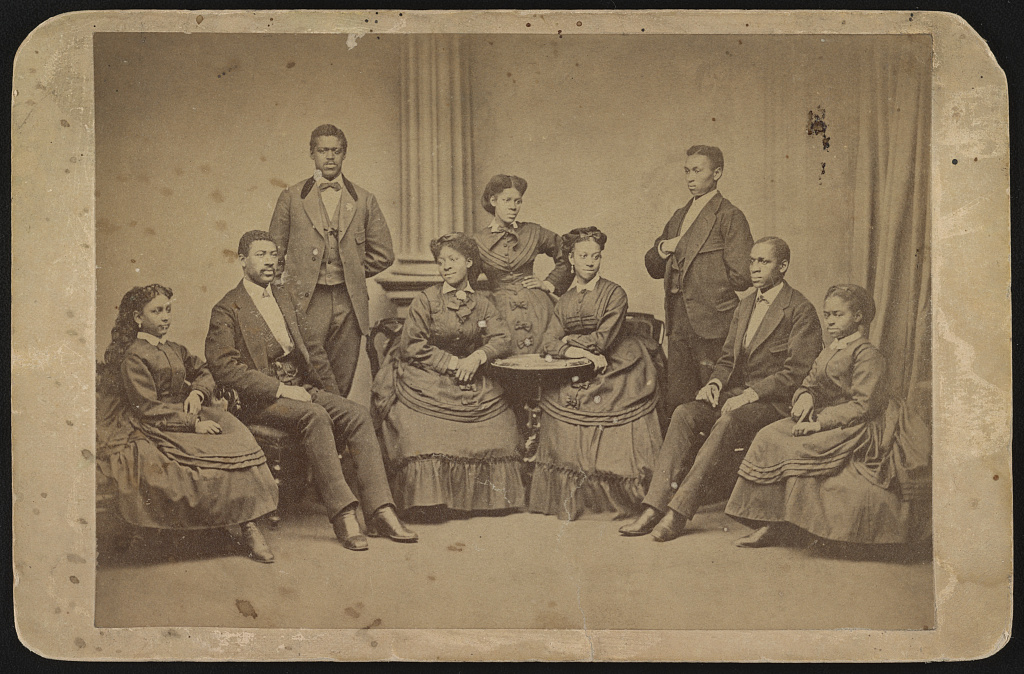
A gospel story can feel complete the moment a powerful clip starts playing. That feeling is exactly why a stronger source trail is needed. Performance alone does not tell readers who sang, where it happened, what church or label context matters, whether the clip is licensed, or how the sound moved through community memory.
CultureUp’s gospel lane needs a repeatable habit: every sound item should be tied back to people, place, worship setting, publication or recording context, and rights status. Without that, the page becomes a praise post instead of a source-aware story.
Opening context
The attached Smithsonian Folkways and NMAAM sources are enough to support that method. Folkways supports both broad gospel context and object-level album or track framing. NMAAM supports the wider genre history. Together they justify a source trail that treats gospel as community memory carried through institutions, not as detached inspiration.
The core story
A good gospel source trail names the performer or group, title, date, place or service context, holder or label, rights note, and why the performance matters. If the piece is about worship, say that. If it is about radio circulation, recording history, a civil-rights moment, or a family archive, say that instead. The lane changes the proof you need.
That clarity protects both the community and the reader. Gospel often gets flattened into a generic spiritual mood, but the strongest stories are specific: this congregation, this program, this recording, this event, this movement, this public role. Precision is what keeps memory from becoming decoration.
What the record shows
The current sources support a durable framework. Smithsonian Folkways supports the relationship between gospel, spirituals, hymns, migration, and performance history. The Classic African American Gospel collection context supports the idea that recordings carry booklet, album, and curation context. NMAAM supports the genre lane. Together they justify the rule that a gospel story needs more than a favorite clip.
Reader verification card
| Check | Why it matters |
|---|---|
| Recording context | Names date, place, performers, label, service, or program when known |
| Community context | Keeps the music connected to the people and institutions that carried it |
| Rights and credit | Prevents a moving clip from becoming an uncredited asset |
What the record does not show
These sources do not license audio reuse, prove every local attribution, or settle every question of reception history. They support a source-trail discipline, not a blanket rights clearance. That means pages should discuss the record clearly even when the underlying media cannot be republished in full.
Why this matters for CultureUp readers
Readers should come away knowing how to inspect a gospel item rather than only how to feel about it. Who sang it? Where? Under what conditions? What institution preserved it? What rights apply? Those are the questions that turn admiration into understanding.
A strong source trail can also help readers distinguish between worship context and later circulation. A church service, a touring program, a studio recording, and a television appearance may all involve the same song, but they do not mean the same thing historically or institutionally.
That is why dates and holders matter so much. A recording date can place the performance inside a broader moment in church history, Black media history, or public protest memory. A holder or label can reveal who preserved the object and what rights or limits still travel with it.
Even when the page is brief, that context changes the reader’s relationship to the clip. The sound becomes traceable, and traceability is what keeps admiration from becoming vagueness.
Media and caption note
Use reviewed stills or object-backed imagery when available, and keep captions explicit about holder, date, and context. This page uses the Library of Congress Fisk Jubilee Singers image as source-context media, not as a rights clearance for recordings, lyrics, or later album art.
Source notes and correction path
Published source brief. Sources include Smithsonian Folkways gospel resources and National Museum of African American Music public context.