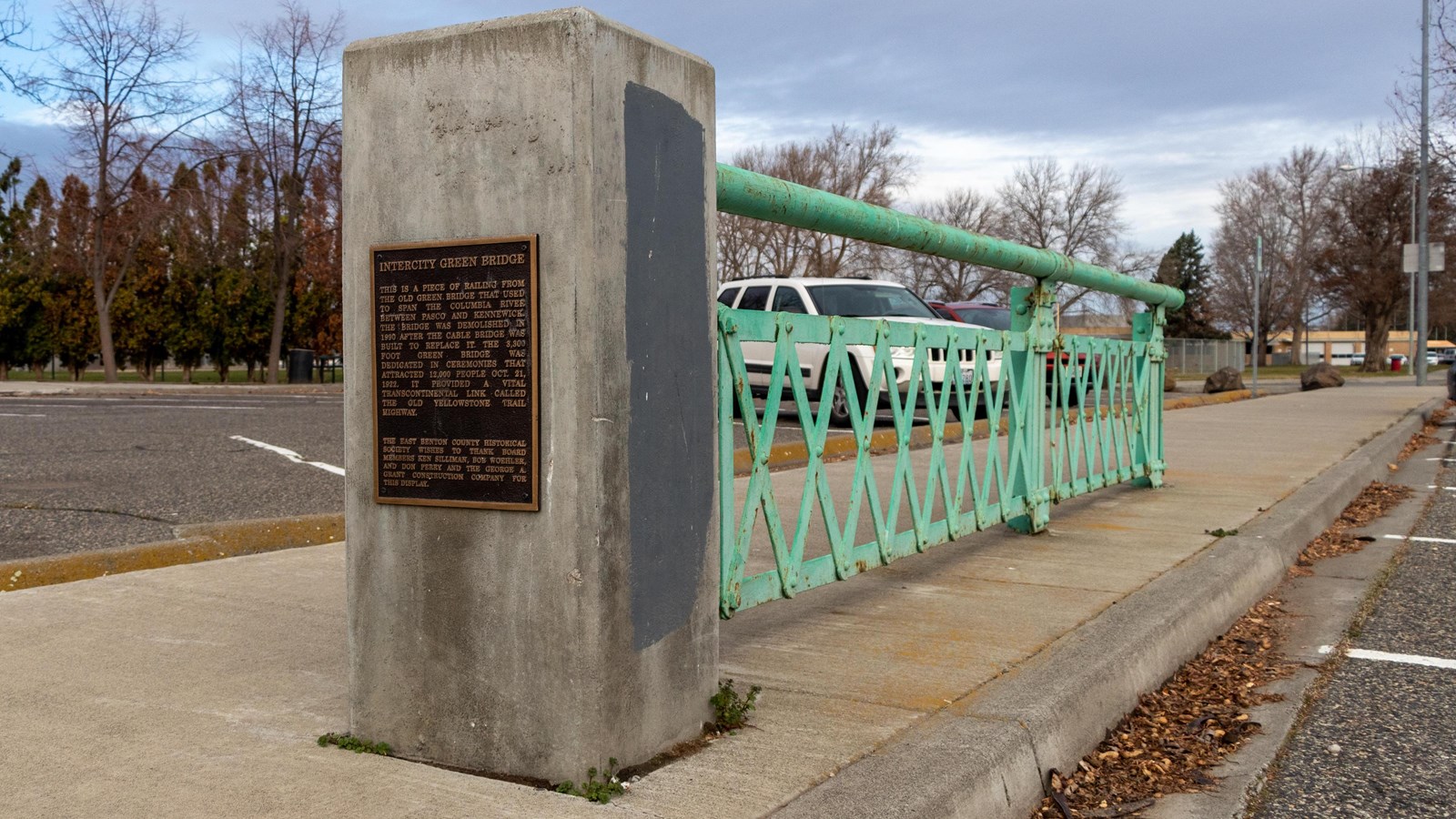
An archive image can outrun its caption in minutes. Once it leaves the collection page, the title shrinks, the date drifts, the rights sentence disappears, and a public record becomes decoration. That is why CultureUp cannot treat shareability as proof of readiness. An image is ready only when a reader can still follow it back to the institution that holds it.
This page belongs in the trust lane because image discipline is one of the fastest ways to lose editorial credibility. Readers may forgive a thin caption once. They will not keep trusting a site that repeatedly circulates dramatic visuals without a holder, date, rights note, or harm review.
Opening context
The attached Library of Congress, Smithsonian Open Access, and National Archives materials support a practical verification routine. Each institution gives readers a route back to rights or access guidance, which means CultureUp can teach editors to ask the right questions before an image reaches the homepage, social, or a story body.
The core story
The simplest rule is that a powerful image is not enough. Editors need the collection page, item description, rights note, and credit line before the image becomes reader-facing proof. That is especially true when the picture shows children, graves, sacred items, medical scenes, private homes, violence, or people under coercive conditions.
The attached source set is useful because it models different institutional routes. The Library of Congress supports rights-awareness and public-use guidance. Smithsonian Open Access supports the open-access lane and reminds editors to verify the exact object route. National Archives still-picture guidance supports the wider federal-record lane. Together they justify a CultureUp standard that keeps the institution record visible even in fast-moving publishing.
This is also where social workflows break down. A screenshot may preserve a lead, but it is not the source. A cropped repost may keep the image alive, but it often severs the record behind it. CultureUp should route readers to the original holder whenever possible and keep the rights sentence visible in the page itself.
What the record shows
The attached sources support a practical five-part habit: identify the holder, read the item page, verify the rights statement, confirm what the image can and cannot prove, and note whether sensitivity review is needed. They also support a more basic truth: public domain, open access, and archival availability are related ideas, not interchangeable ones.
That distinction matters because editors often treat any archived image as if it were cleared for every use. The institutional route is what tells you whether the image is ready for CultureUp, needs a stronger credit line, or should stay out of public display entirely.
Reader verification card
| Check | Why it matters |
|---|---|
| Holder and item page | Lets readers trace the image back to the collection record |
| Rights sentence | Prevents false assumptions about reuse |
| Sensitivity review | Keeps harm, privacy, and sacred-context issues visible before publication |
What the record does not show
The attached institutional guidance does not clear every image automatically. It does not replace item-level review, and it does not eliminate the need for judgment about harm, context, and misleading reuse. An archive image can be legally available and still editorially wrong to use in a given setting.
That limit is essential. Rights review is not the same thing as meaning review, and meaning review is not the same thing as community care. CultureUp should keep all three layers separate.
Why this matters for CultureUp readers
Readers deserve to know when an image is carrying evidence and when it is only carrying mood. A good caption, credit line, and source route make that visible. Over time, those habits train readers to ask better questions of every image they encounter online, not just the ones on this site.
This page also protects future editorial work. If the standards desk gets image review right now, feature writers, social editors, and package builders can move faster later without normalizing weak visual practice.
Media and caption note
Only reviewed images with holder, item route, rights sentence, caption, and credit should appear publicly. Screenshots, reposts, and orphaned archive pulls can help preserve leads internally, but they should not be displayed as finished CultureUp media.
If an image cannot survive with its source route attached, it is not ready for public use here.
Source notes and correction path
An image can travel farther than its caption. By the time it reaches CultureUp, the title may be shortened, the date may be missing, and the collection route may already be gone. This page exists to keep that from happening.