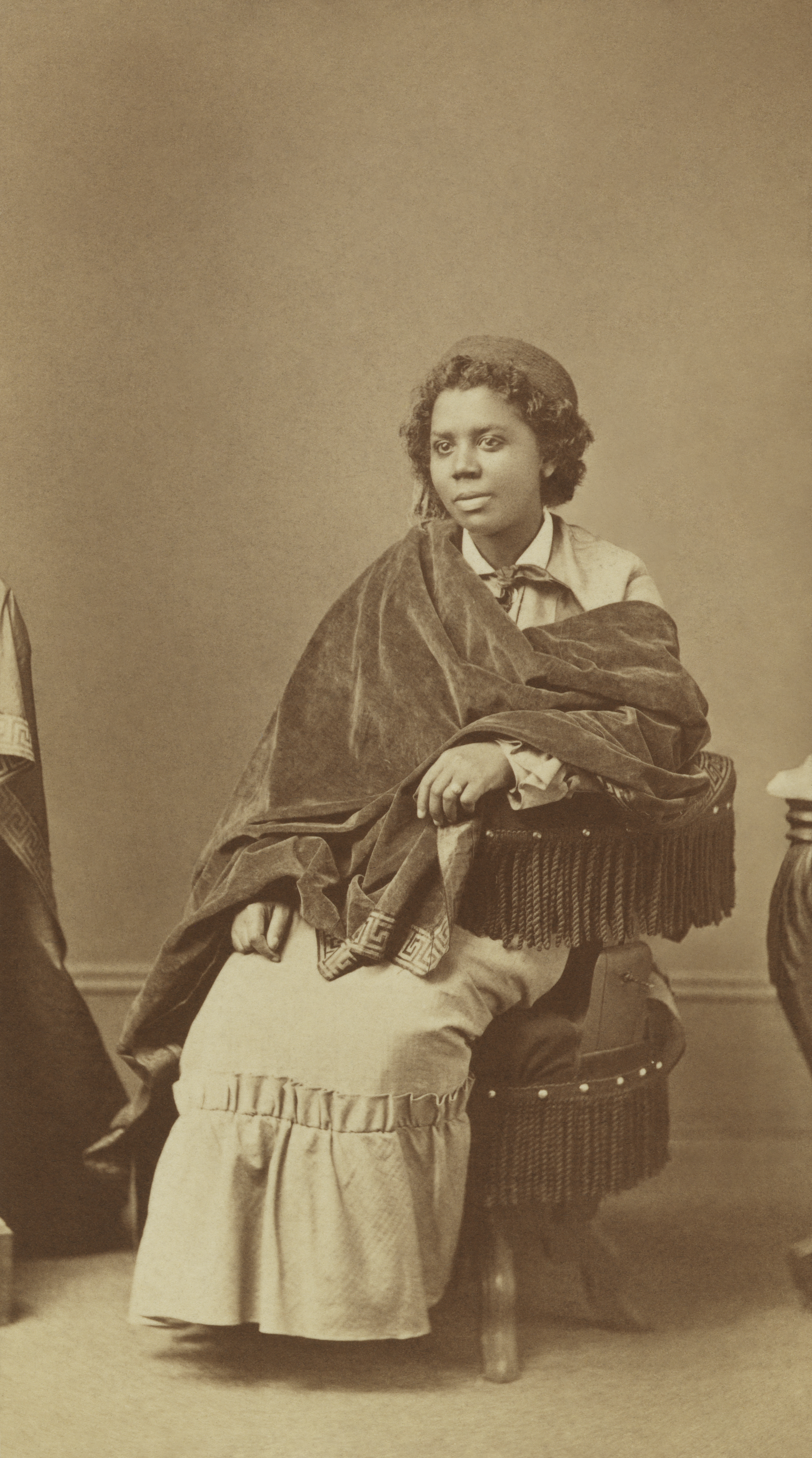
Edmonia Lewis should not be reduced to a single art-historical caption or a quick symbolic paragraph. Her public memory moves through sculpture, race, gender, institutional collecting, and the later work of deciding how art history names and frames her. That makes her an ideal CultureUp profile when handled carefully.
A source-aware page should therefore do more than praise the work. It should show readers what kind of record is carrying the claim: museum object, exhibition history, biographical framing, later interpretation, or editorial synthesis.
Opening context
Edmonia Lewis is often introduced as a remarkable exception, a talented sculptor who can be inserted into an art-history timeline and admired from a safe distance. CultureUp needs a stronger frame. The public-memory question is not only that she existed. It is how her work, biography, and institutional afterlife have been recorded, displayed, narrowed, or made legible to later readers.
The attached sources provide enough support for that frame. They allow the page to connect Lewis to object history, institutional memory, and the problem of how a profile becomes both biography and public-memory artifact. That is the right basis for a stronger CultureUp culture profile.
The core story
That is why a profile page should treat object records and artist records as living evidence, not neutral labels. A museum object page can tell us how an institution names a work, dates it, and places it in a collection. An artist profile can show what biographical facts the institution is prepared to stand behind. Neither source is the whole story, but together they reveal how public memory is organized around an artist.
For Lewis, that matters because the interpretive frame has often been as important as the object itself. Readers need help seeing how sculpture moves through exhibition, catalog language, public reputation, and educational shorthand. The page should not turn her into a symbolic first or a token presence. It should show how institutional memory keeps shaping what later audiences think they know.
This is also where credit discipline matters. A sculpture image without object title, holder, date, and access path weakens the profile by detaching the work from the record that preserves it. CultureUp readers should leave with both an artist and a traceable institutional path, not just a flattering summary.
A public-memory profile works best when it keeps the object and the interpretive lane visible together. A sculpture can show style, subject, material, and collection history. A museum or institutional record can show how the work is being framed now. Neither lane should silently stand in for the totality of the life or career.
That is why Lewis belongs in CultureUp’s source-aware tradition. The page can teach readers to notice how institutions remember artists and what remains outside the frame when a life is reduced to one representative work or one compact museum label.
What the record shows
The current source set supports a careful public-memory profile: artist record, object record, and image-credit model together show how a reader can move from a named figure to the documented object trail around her work. That is enough to justify a stronger profile even before a larger essay is commissioned.
The stronger lesson is that public memory is built through repeated institutional choices: what gets cataloged, what gets displayed, what gets cited, and what remains harder to access. A CultureUp profile can make those choices visible so the reader sees the record architecture around the artist instead of only the final praise.
The current sources support a strong profile method: identify object, holder, framing context, and evidence limit. That is enough to give readers a more disciplined encounter with Lewis than generic inspirational summary language would allow.
Reader verification card
| Check | Why it matters |
|---|---|
| Object and holder | Shows what work or institution is carrying the visible claim |
| Public-memory frame | Explains how the artist is being presented now |
| Limit | Prevents one object or label from becoming the whole life |
What the record does not show
The current sources do not provide a complete biography or settle every interpretive debate around the work. They support a careful public-memory profile, not exhaustive scholarship.
Why this matters for CultureUp readers
That matters for Black public-memory work in particular, because readers are often handed summary narratives without being shown the object trail underneath them. A profile that keeps the documented object path visible teaches readers how presence is built and preserved.
CultureUp is strongest when it shows how presence becomes record. A page on Edmonia Lewis teaches that memory work happens through labels, holdings, captions, and object access as much as through praise. Readers learn not only who she was, but how institutions teach them to see her.
Readers benefit when art profiles show not just why a figure matters, but how that mattering is being carried through institutions and object records. The page becomes both a profile and a literacy tool.
Media and caption note
Any sculpture image should remain tightly attached to object-page language, holding institution, and rights status. The visual should function as a documented object reference, not just an inspirational portrait stand-in.
Use reviewed object imagery with explicit holder, date, and object context. The visual lane should help readers understand the sculpture as evidence, not just atmosphere.
Source notes and correction path
Published source profile. Sources include Smithsonian American Art Museum artist and object records; future media reuse should keep credit lines visible.