In this story
A school building can preserve a community's achievement and the inequality it refused to accept. The Abiel Smith School in Boston does both. Opened in 1835 for Black students, it followed years of parents organizing education for their children. It also became a focus of the campaign against segregated schooling. Remembering the building only as a gift would miss the people who demanded more than a separate place.
Education began before the building
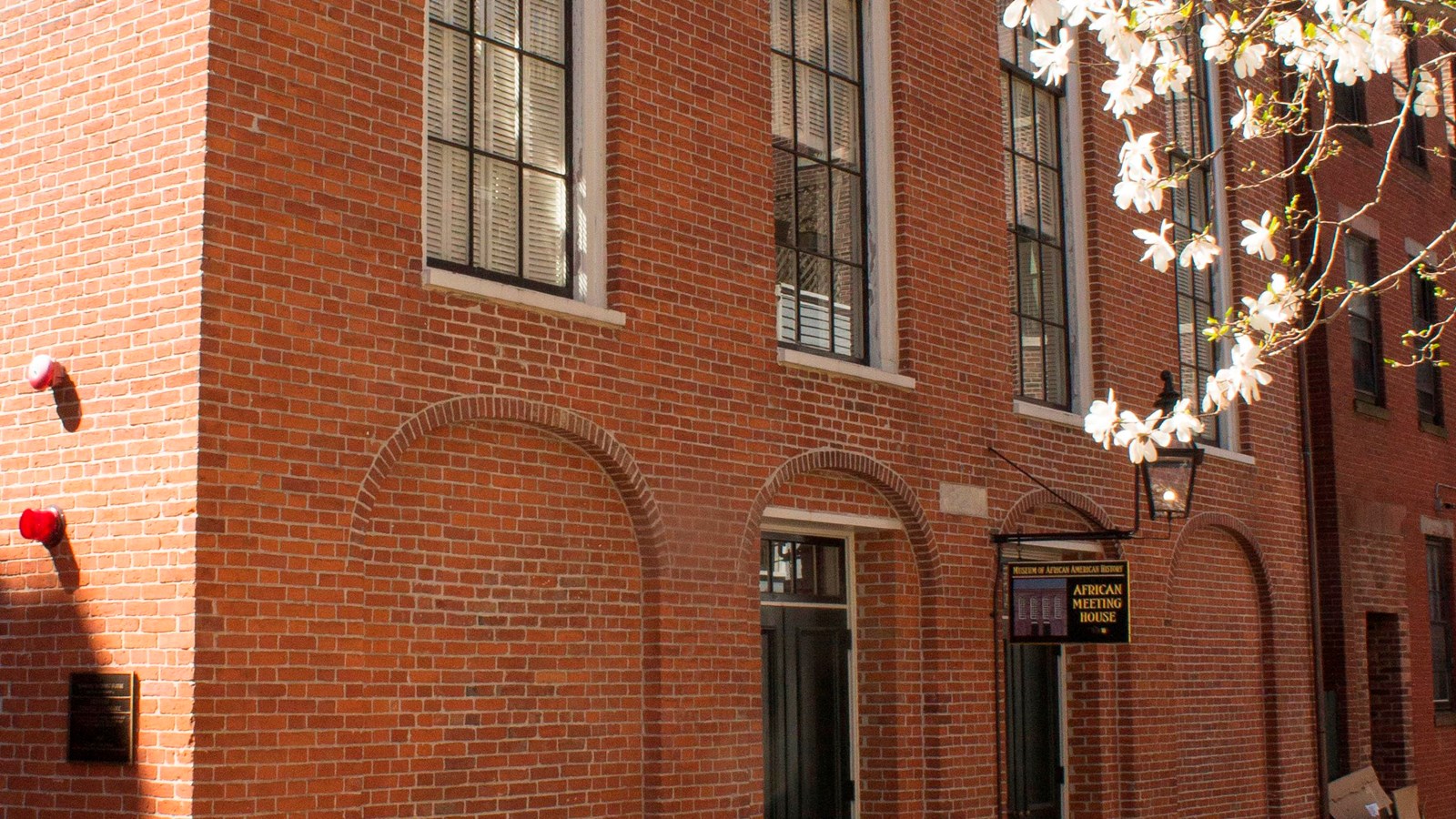
The National Park Service dates the African School's organization by Black parents to 1798. It first met in Primus Hall's home and later occupied a room in the African Meeting House. The Boston School Committee recognized it in 1812 and supplied partial funding. These were institutional steps, not evidence that equal conditions had arrived.
NPS describes repeated complaints about poor conditions and overcrowding. Abiel Smith's bequest supported the school, and part of that money helped build its successor. Yet the account says the new school's conditions remained inferior to those of White schools. A new address did not settle the argument about public responsibility.
The route to school was part of the dispute
Sarah Roberts's experience gave that argument a child's scale. In the NPS account, she passed five schools for White children on her way to the school assigned to Black children. Her father, Benjamin Roberts, sought admission to a nearer school. The committee refused, and the dispute became a lawsuit.
Robert Morris and Charles Sumner represented the Roberts family. The NPS case history separates the November 1849 hearing from the adverse ruling it dates to 1850. The family did not win that case. The distinction prevents a familiar reform story from turning a courtroom defeat into an immediate legal victory.
Distance here was not merely a matter of convenience. The route made the assignment visible: nearby schools were available to other children while Sarah was directed elsewhere. This is an interpretation of the documented journey, not a reconstruction of her unrecorded thoughts.
The campaign continued outside court
The school history identifies William Cooper Nell, a former African School student, among the leaders of petition campaigns, protests and a boycott. The case history describes continuing activism after the court setback. Massachusetts outlawed public school segregation in 1855. That later change belonged to a sustained campaign, not to one favorable judgment.
The Phillips School offers another place to follow the change. NPS records that it had served White students and admitted Black pupils after the 1855 reform. The two sites tell a connected story: one stood at the center of resistance to separation; the other shows access changing beyond that separate institution.
A parent could ask for the refusal in writing
Turn to pages 674 and 675 of the Massachusetts session laws for 1855. Chapter 256 takes up the question Benjamin Roberts had put to the school committee. Race, color and religious belief could no longer determine whether an otherwise qualified pupil could enter a public or district school. The governor approved the act on April 28. The legislature set September 1 as the effective date.
The fourth section gave a parent something concrete to take away from a schoolhouse door. At a parent’s or guardian’s request, teachers at the school and committee members whose rules or directions led to the exclusion had to give the reasons in writing. Sarah’s father had already sued Boston under an 1845 law. The 1855 act expressly provided for damages in a suit brought in the child’s name when a qualified pupil was excluded on grounds of race, color or religious opinion. Read beside Sarah’s walk past five nearer schools, the new admission rule and written-reasons requirement show what Boston parents had won.
A building outlives one assignment
The Smith School's later uses included an integrated primary school, storage and veterans' organizations. The museum describes its present role as exhibition and educational space. Those changes do not erase the earlier struggle. They make the building a place where different periods of community life can be read together.
The account is not a claim that Boston's educational inequalities ended permanently in 1855. It concerns a particular struggle against segregated public schooling and the places through which that struggle moved. The institution matters because people built access around it and insisted that its boundaries were not enough.