In this story
A school before a landmark
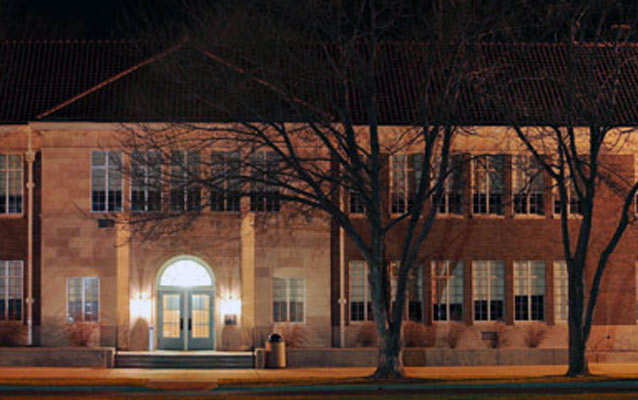
Monroe Elementary was one of Topeka's four historically segregated primary schools for Black students. The building places the history of Brown v. Board of Education in a local setting: a school in a city, rather than only a case name in a textbook.
Remembering the struggle in place
The national historic site opened at Monroe on May 17, 2004, marking the fiftieth anniversary of the Supreme Court decision. NPS credits Cheryl Brown Henderson, the Brown Foundation and others with efforts to establish the park. The opening was a later act of public recognition, not an event from the original litigation.
What the Public Record Supports
The National Archives explains the Court's rejection of racial segregation in public schools and displays an implementation decree dated May 31, 1955. That displayed document is not the original 1954 decision. Its date and description matter when following the legal history: a ruling and the subsequent directions for implementing it are related but distinct records.
Different records answer different questions
The building, its documentation and the court records preserve different parts of this history. A photograph shows a place; a decree records a legal direction. Neither alone establishes how every child or household experienced desegregation. Local accounts and school records remain necessary for those more specific questions.
Source notes and correction path
The source trail below names the public records used for this article. Readers can request corrections at /corrections when a stronger source, missing credit, local archive, or stewardship note belongs in the public correction path.