A public meeting story needs the agenda, the minutes, and the vote. Without those three anchors, a meeting can be turned into atmosphere, rumor, or performance instead of a traceable public record.
CultureUp should therefore treat meeting coverage as a procedural literacy lane. People often remember the tension of a meeting more easily than the exact agenda item, recorded action, or notice trail that makes the event publicly legible. The page should reverse that habit.
The current FACA and Federal Register materials support that framing directly. They give the article enough grounding to explain why meetings matter as public processes and why procedural records are what keep those processes accountable.
Opening context
This page keeps the claim narrow enough that the attached source trail can still support the reader-facing explanation.
The core story
That procedural literacy makes the meeting page more than a recap. It becomes a guide to how public action is documented and why a story should not rely on emotional memory or secondhand summaries alone.
The first task is to identify what was on the agenda. A public meeting can cover many subjects, and the article becomes much stronger when it tells the reader which agenda item or noticed topic is actually at issue rather than letting the whole event blur together.
The second task is to identify what the minutes or equivalent record preserve. Discussion, attendance, testimony, and formal action do not always sit in the same record. CultureUp helps most when it tells the reader what kind of meeting document is proving which part of the story.
The third task is to preserve the vote or action trail when one exists. A meeting story can sound dramatic, but the real public meaning often sits in the adopted motion, recorded vote, or notice-linked outcome. The page should keep that trail close.
What the record shows
The current sources support a practical meeting-record rule: identify agenda, preserve minutes or record context, and show the vote or action trail so the meeting story stays anchored to public procedure.
Reader verification card
| Check | Why it matters |
|---|---|
| Source owner and record type | Shows what public system or institution is actually making the claim |
| Time, scope, or stage | Prevents a narrow or partial record from sounding universal |
| Limit and next route | Shows what the source cannot prove by itself and where the reader should verify more |
What the record does not show
These sources do not make every meeting dispute easy to resolve, and they do not replace local records that may carry the most detailed context. They support stronger first-line reading of formal meeting evidence.
Why this matters for CultureUp readers
It gives readers a practical way to judge whether a meeting story is grounded in public process or only in someone else’s selective retelling.
The page makes meeting coverage more usable by showing readers which record pieces should exist before they grant a meeting summary full authority.
Readers can use those same agenda, minutes, and vote questions in local civic life whenever a meeting claim sounds bigger than the record being shown.
Readers hear a lot about what happened in meetings and much less about how to verify that claim. A page like this gives them the record fields that keep meeting coverage from becoming pure theater.
Media and caption note
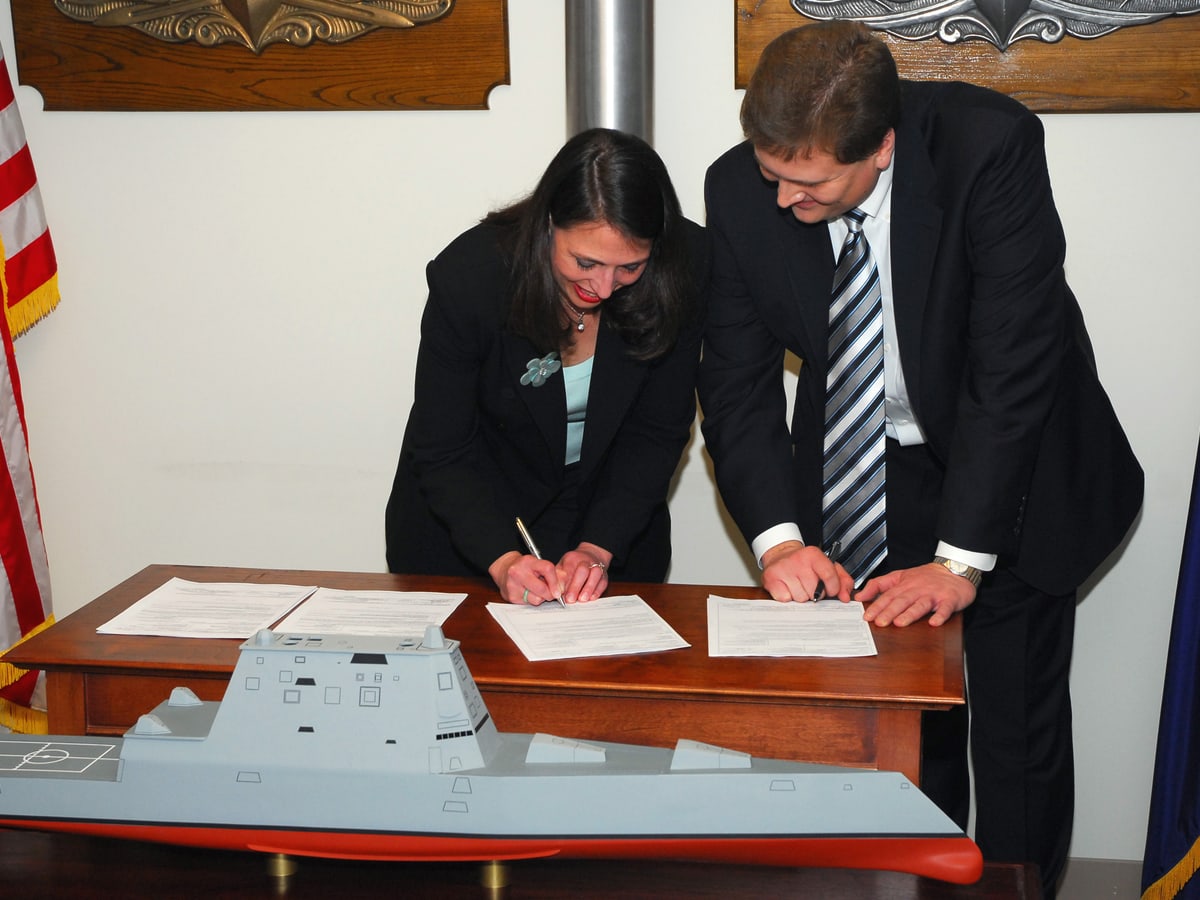
Meeting pages should avoid overreliance on crowd or podium imagery without record context. A better caption names the agenda item, notice route, or action stage behind the scene.
Source notes and correction path
Published source brief. Sources include GSA Federal Advisory Committee Act guidance, the FACA database, and Federal Register public-notice resources.