Opening Summary
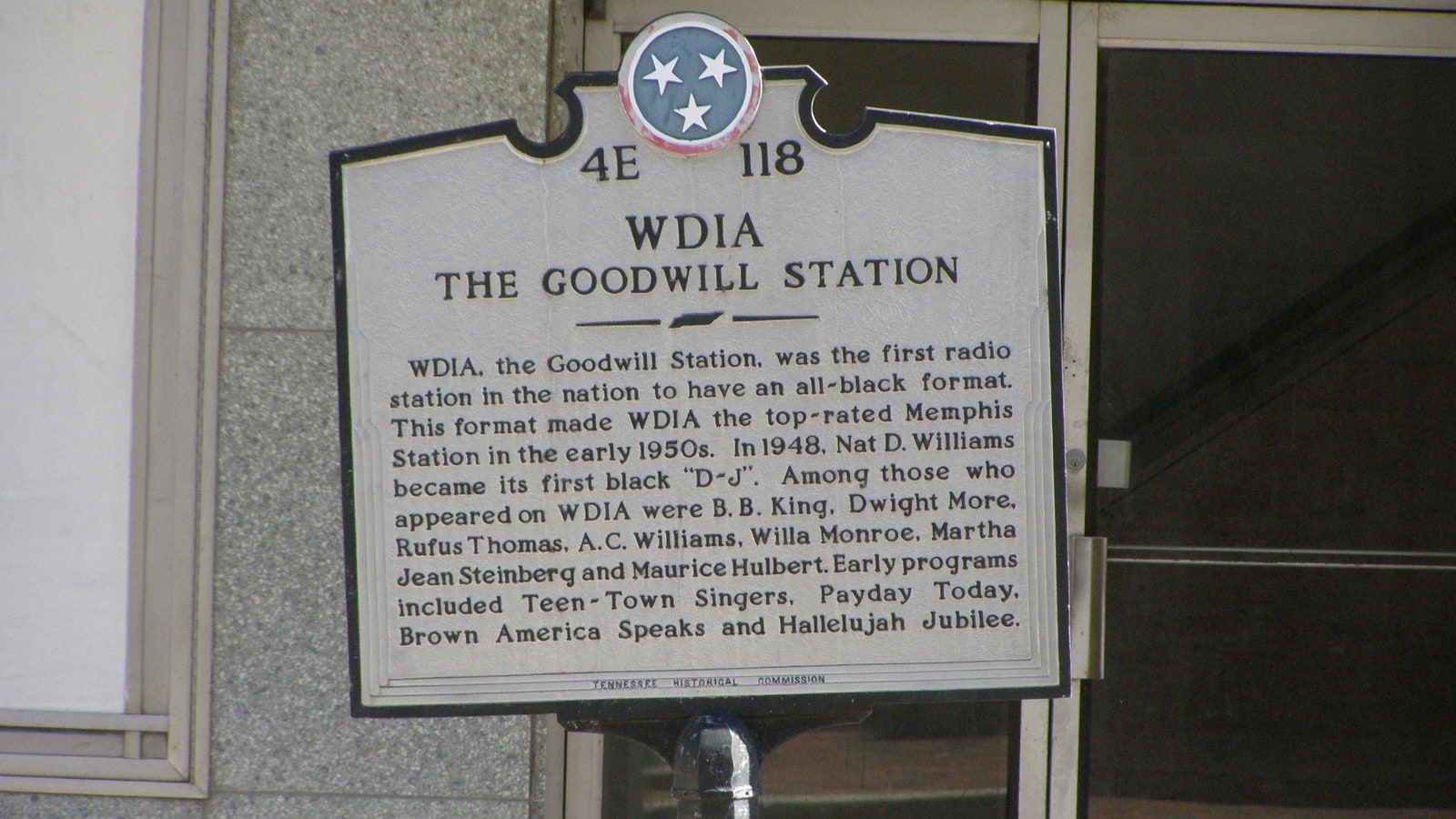
WDIA gives CultureUp a specific Black radio candidate: a station, a city, a public voice, music memory, local history, and cataloged source trails. The draft should not become a generic Black radio overview.
Why This Belongs on CultureUp
CultureUp can carry Black radio when the article follows public voice through a named station, local context, source trails, music, church/community announcements, civic memory, and media records. The story belongs in Music & Media only if the reader can verify the path.
What the Public Record Supports
The Smithsonian catalog record supports a public-source path through a named work on WDIA. The Tennessee Encyclopedia source adds local public-history context. University of Memphis Special Collections adds a primary archive route through the WDIA Radio collection, and the Commercial Appeal photo record gives an item-level public-media example for rights review.
What Remains Uncertain
The current source trail supports the public frame. Additional photographs, local archival records, and item-level media can be added after source, rights, caption, credit, and stewardship review.
Worked Source Example
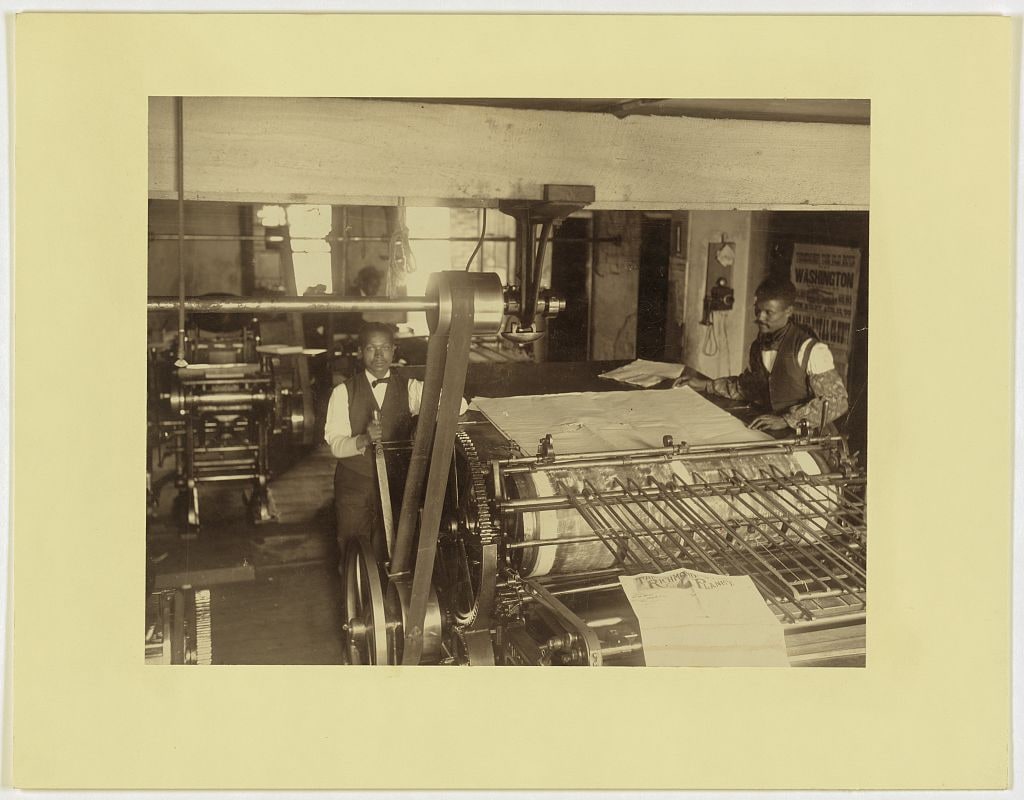
Use the University of Memphis WDIA Radio collection finding aid as the primary archive path and the 1967 Commercial Appeal photo record as the item-level media-rights example. The public article should teach the difference between catalog evidence, local-history summary, and a publishable image.
Source notes and correction path
The source trail below names the public records used for this article. Readers can request corrections at /corrections when a stronger source, missing credit, local archive, or stewardship note belongs in the public correction path.