Skip to content
Browse CultureUp
Music & Media Memory / Public Voice
Feature Story

Black Newspapers Are Public Records When the Source Trail Is Visible

A Black newspaper source can preserve names, dates, meetings, routes, ads, churches, schools, and civic arguments. CultureUp should teach readers how to cite the record without turning the press into a vague symbol.

Indigenous Black MemorySource TrailBlack NewspapersMedia MemorySource LiteracyPublic RecordsArchives1946-1964Multi
CultureUp Editorial DeskJun 5, 2026 / Updated 2026-06-05 / 5 min read
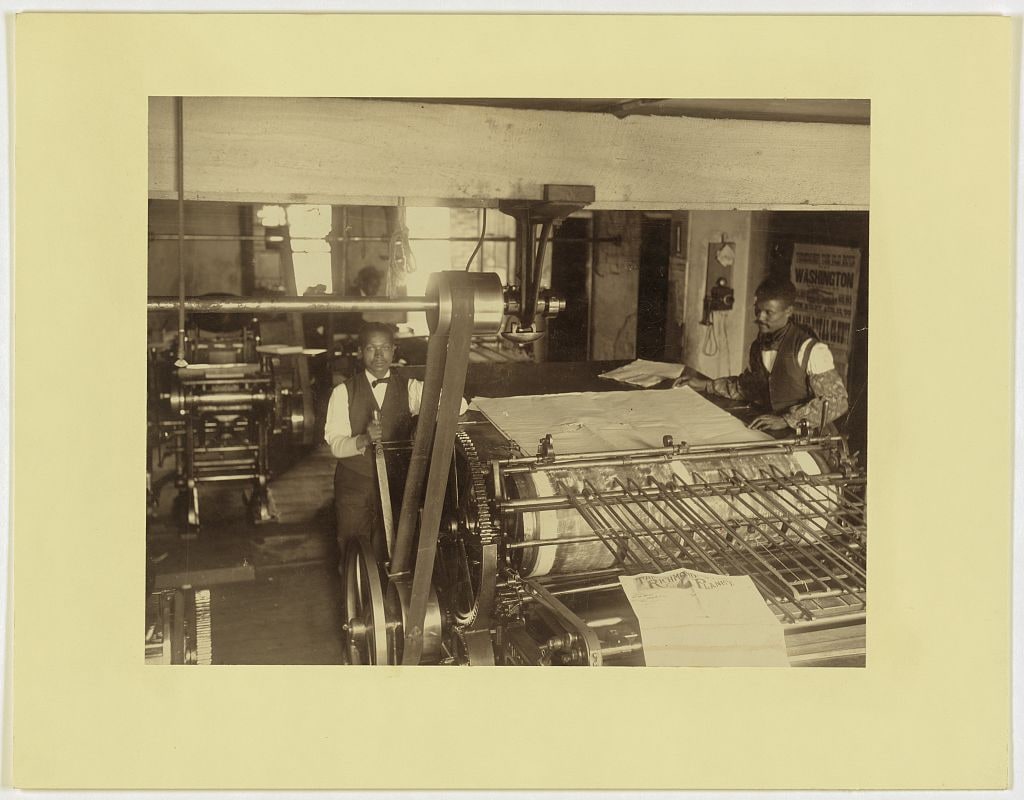
Press room of the Planet newspaper in Richmond, Virginia, photographed around 1899.
Press room of the Planet newspaper in Richmond, Virginia, photographed around 1899. Credit: Library of Congress.

Opening Summary

Black newspapers can be public-memory infrastructure, but CultureUp should not use them as a generic topic. A useful guide should teach readers how to name the newspaper, date, page, archive holder, issue context, and claim limit.

Why This Belongs on CultureUp

This is a source-literacy guide for Black American public memory. It belongs when it helps readers verify local names, churches, schools, meetings, political work, music notices, funeral notices, ads, and community institutions through public newspaper records.

What the Public Record Supports

The Library of Congress African American Newspapers guide and Chronicling America sources support a guide to finding and reading public newspaper records. The AFRO archive item on Montgomery bus boycott costs supplies a worked example that can show readers how to cite a newspaper title, date, claim, and archive holder without turning the Black press into a vague symbol.

Worked Source Example

Use the AFRO example to teach source handling: name the newspaper, publication date, headline, republication/archive page, and what the article verifies. The item can support a claim that Black newspapers carried boycott coverage, but it should not be used by itself to summarize the entire boycott or every local organizing path.

What Remains Uncertain

The current source trail supports the public frame. Additional photographs, local archival records, and item-level media can be added after source, rights, caption, credit, and stewardship review.

Source notes and correction path

The source trail below names the public records used for this article. Readers can request corrections at /corrections when a stronger source, missing credit, local archive, or stewardship note belongs in the public correction path.

Sources

Read the record alongside the story.

CultureUp Dispatch

Join the CultureUp Dispatch.

Get stories with sources attached, public-memory features, music and media updates, and community calls without the noise.

Source notes includedMusic and media notes

Add your email interest and CultureUp will route follow-up through the editorial contact desk.

Participate after reading

Have context to add?

Send a correction, community memory, media credit, event lead, or story tip. You do not need to know the perfect lane before you share context.

Open Participate form

Independent support

Help keep this work independent

This article is part of an independent cultural learning network built around source-aware storytelling, careful research, and responsible public education. Support helps fund source notes, timelines, corrections, research guides, and continued publishing.

Organizations, educators, publishers, bookstores, archives, creators, and cultural institutions can also become self-serve sponsors of the network.

Account setup requiredAccount setup requiredSponsor the network