Skip to content
Browse CultureUp

Maynard Jackson's Atlanta in the City Records

Mayoral files preserve correspondence, transportation records and the work of city administration. The archive offers a different view from a commemorative name.

CultureUp Editorial DeskJun 5, 2026 / Updated 2026-10-02 / 2 min read
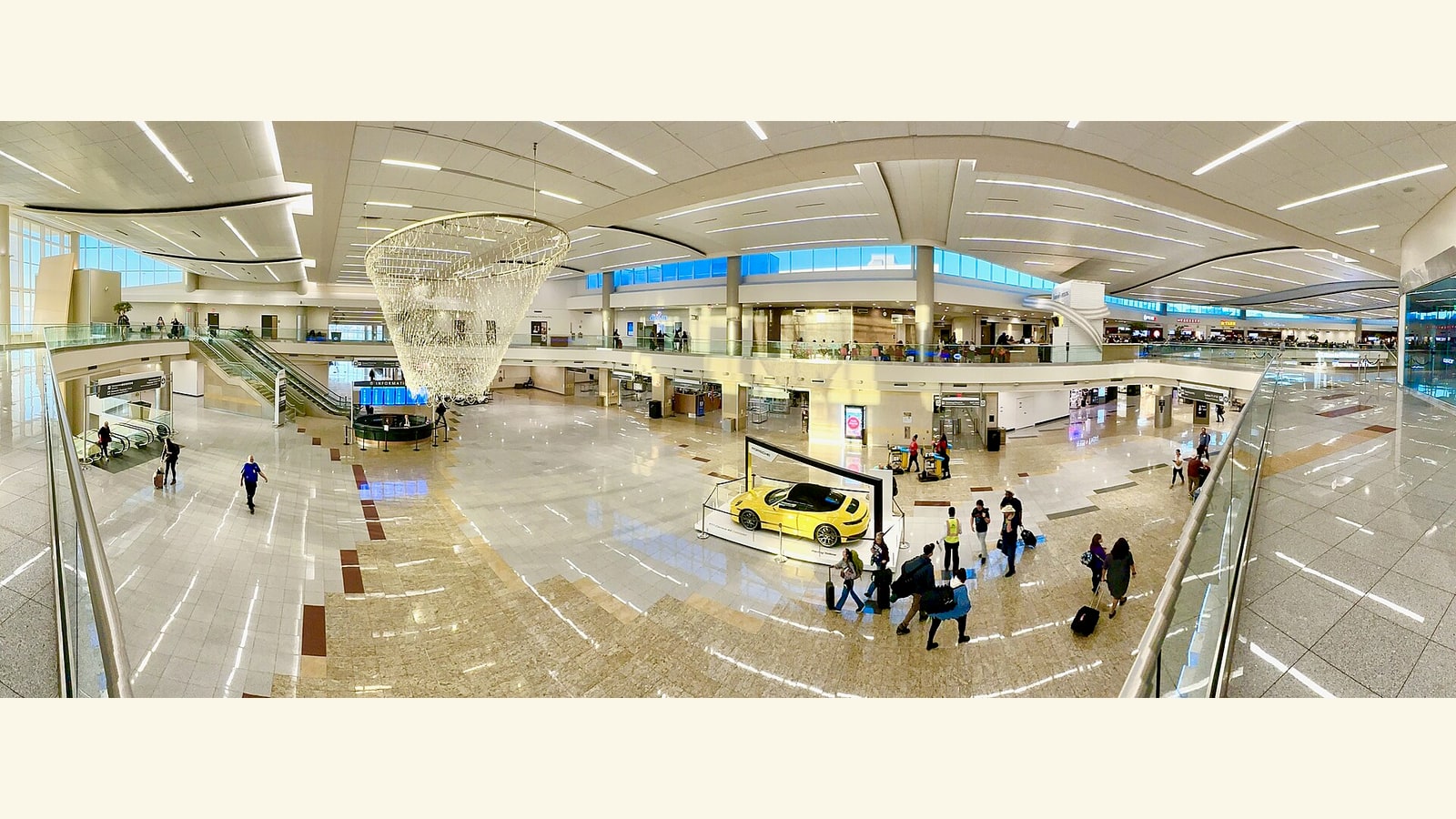
Interior of the Maynard H. Jackson Jr. International Terminal at Hartsfield-Jackson Atlanta International Airport.
A real Hartsfield-Jackson airport terminal image keeps the Maynard Jackson city-records article tied to airport infrastructure and Black Atlanta civic geography. Credit: Harrison Keely via Wikimedia Commons, CC BY 4.0.

Beyond a name on a terminal

The airport terminal bearing Maynard Jackson's name is a visible part of Atlanta's public memory. His mayoral administrative records offer another view: the correspondence, schedules and departmental papers through which city government worked. Held by the Atlanta University Center's Robert W. Woodruff Library, the collection spans 1968-1994.

Transportation inside city government

The collection's description includes airport expansion and MARTA development among its subjects. These records place transportation within the administration of a city, rather than treating an airport or transit system as a landmark detached from decisions. A named folder supplies a research starting point; a claim about a particular contract or outcome requires the underlying documents.

The third-term files

The third-term series is cataloged with a 1989-1994 date range. Its finding aid identifies transition-task-force and general files, including an Olympics grouping. It also names city departments, MARTA, Hartsfield Atlanta International Airport and Underground Atlanta among the records' subjects. Those categories reveal how many institutions intersected with mayoral work.

Description and evidence

The library's guide describes the collection's organization, not every document's contents. The cataloged date range is a range for the materials, not an assertion that Jackson held office throughout every year it includes. Detailed questions about appointments, expenditure or negotiations belong at the item level, with an identifiable document and date.

What this account leaves open

This is a guide to the public collection descriptions, not a completed audit of Jackson's administration. It makes no new finding about a contractor, neighborhood benefit or individual official's motives. The terminal photograph supplies present-day infrastructure context; it is not evidence of a specific decision in the mayoral files.

Source notes and correction path

The source trail below names the public records used for this article. Readers can request corrections at /corrections when a stronger source, missing credit, local archive, or stewardship note belongs in the public correction path.
Sources

Read the record alongside the story.

Related reading

Continue reading

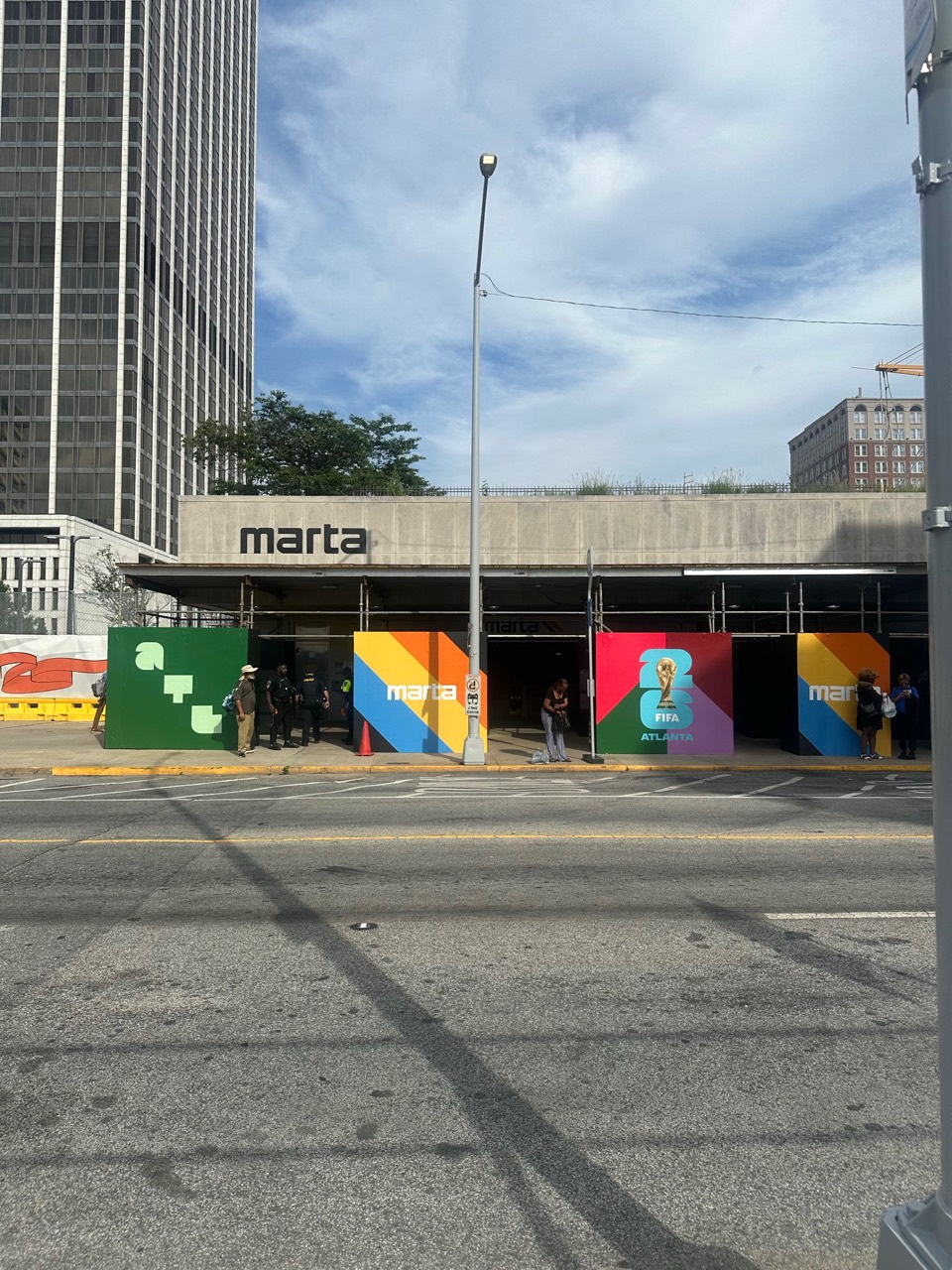
Street-level view of MARTA signage at Five Points station in downtown Atlanta with FIFA Atlanta panels near the entrance.

Culture & Place

Did Atlanta Betray Greenbriar and Atlanta Transit?

Southwest Atlanta was told More MARTA would accelerate light rail on Campbellton Road. Today the official project is bus rapid transit. CultureUp reads the public record through Greenbriar, place memory, and civic trust.

CultureUp Editorial Desk2026-05-30 / 13 min read

Flagship Editorial

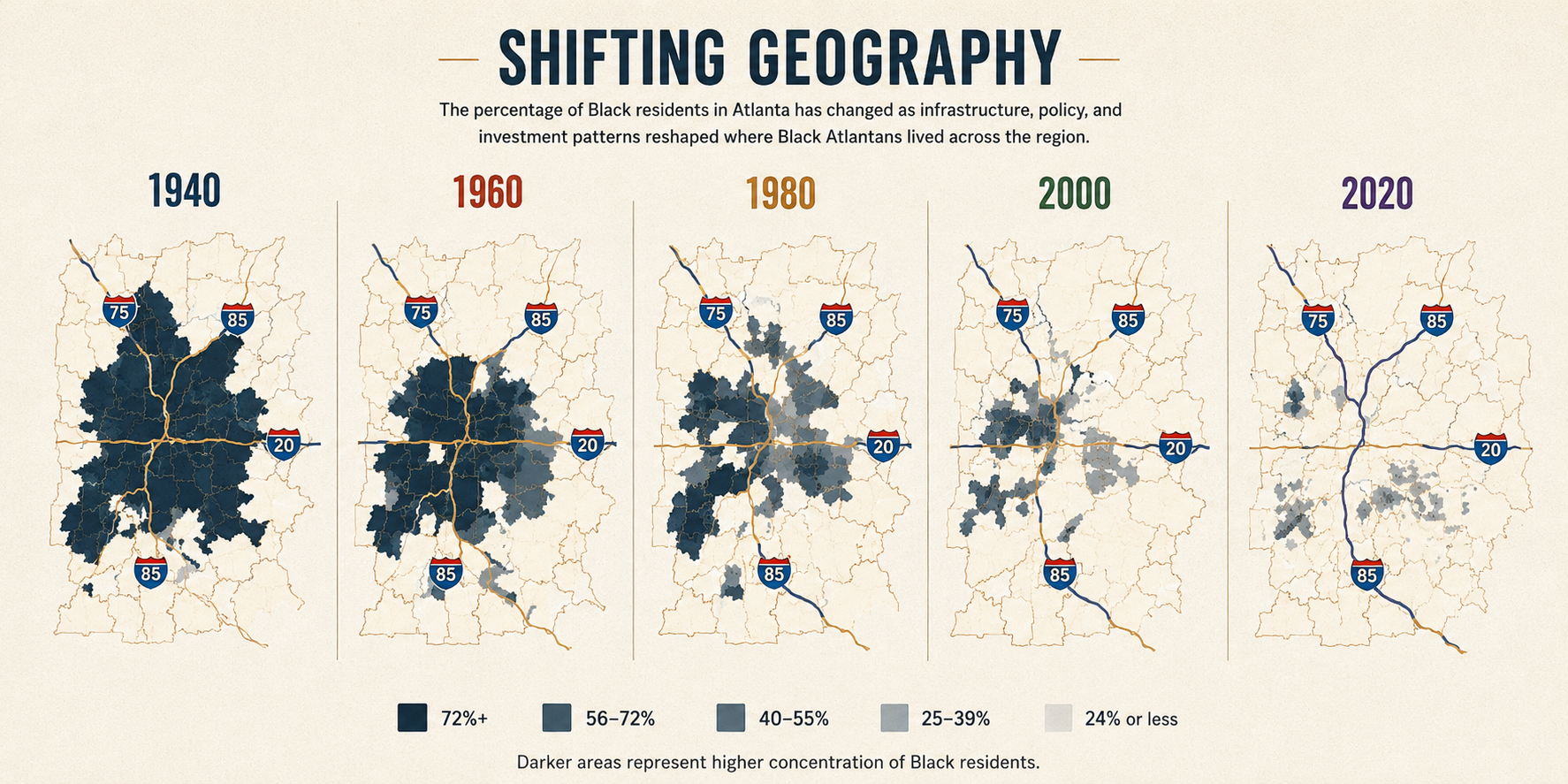
CultureUp data visualization titled Shifting Geography with five Atlanta-region map panels for 1940, 1960, 1980, 2000, and 2020 showing changing concentrations of Black residents.

Culture & Place

The Great Remapping of Black Atlanta

Black Atlanta did not disappear. It spread across a wider region. The question now is who gets to shape the map.

CultureUp Editorial Desk2026-05-20 / 9 min read

Flagship Editorial

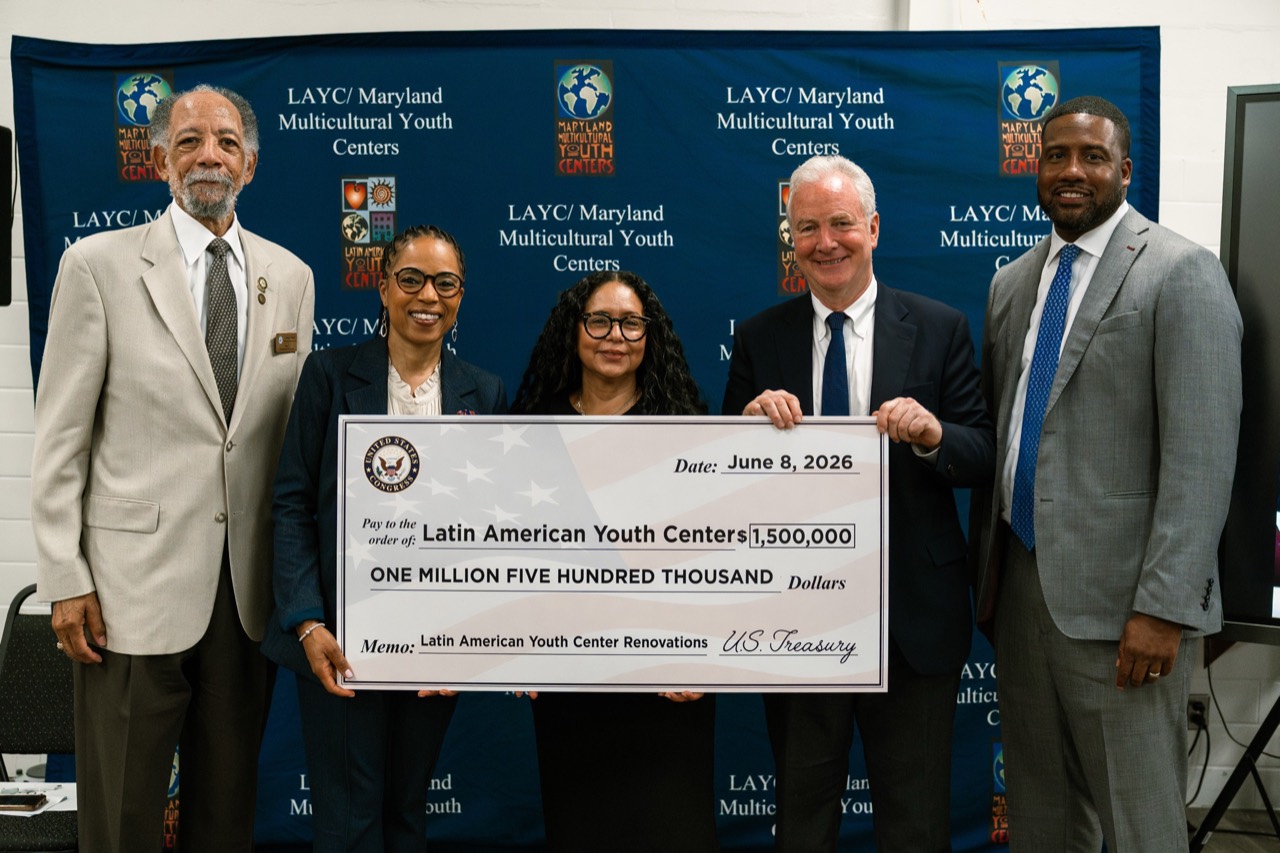
Group photograph at a Latin American Youth Center event with public officials holding a ceremonial funding check.

Civic & Institutional Memory

The Illusion of Inclusion: Black America, the Vote, and the Strange Return on Investment

Black America is counted, courted, thanked, and invoked as democratic ballast. But a high-value civic vote often comes back as broad equity language instead of Black American memory authority, land repair, burial protection, record restoration, and measurable return.

CultureUp Editorial DeskJun 23, 2026 / 14 min read

Flagship Editorial

CultureUp Dispatch

Join the CultureUp Dispatch.

Get stories with sources attached, public-memory features, music and media updates, and community calls without the noise.

Source notes includedMusic and media notes

By subscribing, you agree to receive CultureUp Dispatch emails. Confirm your address through the double opt-in email; unsubscribe at any time. See our Privacy Policy.

Participate after reading

Have context to add?

Send a correction, community memory, media credit, event lead, or story tip. You do not need to know the perfect lane before you share context.

Open Participate form

Independent support

Help keep this work independent

This article is part of an independent cultural learning network built around source-aware storytelling, careful research, and responsible public education. Support helps fund source notes, timelines, corrections, research guides, and continued publishing.