Skip to content
Browse CultureUp
Black American Place Memory
Feature Story

Black Bottom Should Be Read Through Streets, Archives, and What Urban Renewal Removed

Detroit's Black Bottom is a place-memory story about neighborhood records, photographs, displacement, and the limits of city-redevelopment language.

Indigenous Black MemorySource TrailNeighborhood MemoryUrban RenewalArchivesPlace MemoryPublic Records1965-1980MI
CultureUp Editorial DeskJun 5, 2026 / Updated 2026-06-05 / 5 min read
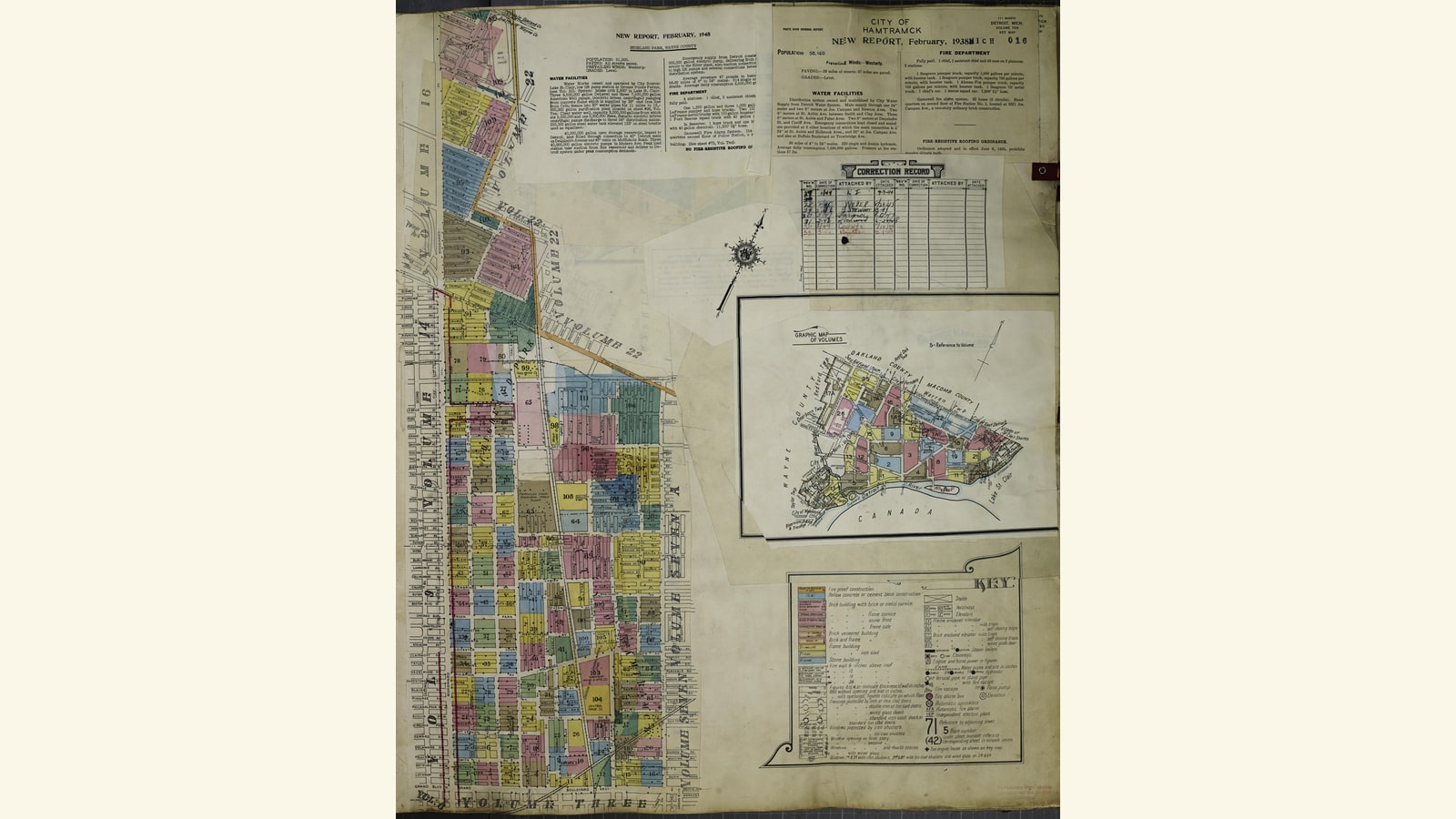
Sanborn fire insurance map sheet for Detroit showing colored street and block records used as a source path for Black Bottom place memory.
A Library of Congress Sanborn map sheet gives the Detroit Black Bottom article a real street-record visual rather than a generic redevelopment graphic. Credit: Sanborn Map Company / Library of Congress Geography and Map Division.

Opening Summary

Black Bottom should not be reduced to a redevelopment footnote. The CultureUp frame is place memory: streets, photographs, city decisions, neighborhood names, archive projects, and what official planning language could not fully carry.

Why This Belongs on CultureUp

This belongs when it stays rooted in Detroit public memory and Black neighborhood continuity. The article should compare institutional histories, community archive work, and the public record of urban renewal without making private descendant claims.

What the Public Record Supports

Detroit Historical Society gives a local-history route for Black Bottom and urban renewal. The National Endowment for the Humanities source supports the archive/public-memory frame. Black Bottom Archives supports community-led collection work and descendant/community sensitivity. Rise Up Detroit supplies a mapped public-history route, and Black Bottom Street View supplies a city-photo reconstruction path that can be used only with item-level rights review.

What Remains Uncertain

The current source trail supports the public frame. Additional photographs, local archival records, and item-level media can be added after source, rights, caption, credit, and stewardship review.

Worked Source Example

Use Rise Up Detroit for the mapped redevelopment/history path and Black Bottom Street View for the item-level street-photo method. The article should compare official planning language, map traces, and community archive practice without turning residents into unsupported claims.

Source notes and correction path

The source trail below names the public records used for this article. Readers can request corrections at /corrections when a stronger source, missing credit, local archive, or stewardship note belongs in the public correction path.
Sources

Read the record alongside the story.

1

Black Bottom Neighborhood

Public source in the CultureUp source trail for Black Bottom Neighborhood.

Detroit Historical Society

3

Collections

Public source in the CultureUp source trail for Collections.

Black Bottom Archives

Related reading

Continue reading

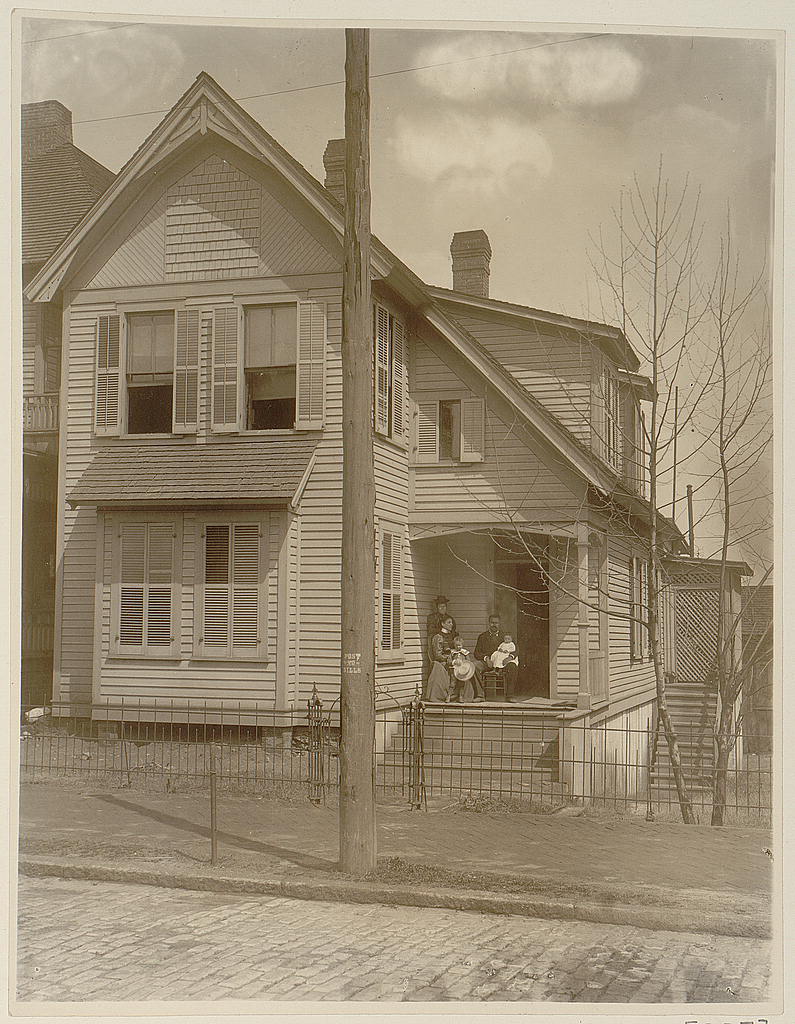
An African American family posed on the porch of a Georgia house around 1899 or 1900.

Culture & Place

Who Was Left Behind When Black Atlanta Remapped?

Atlanta's homelessness crisis may be one of the human afterimages of displacement: not only housing loss, but the rupture of Black care networks that kept vulnerable residents indoors.

CultureUp Editorial Desk2026-06-03 / 12 min read

Flagship Editorial

CultureUp Dispatch

Join the CultureUp Dispatch.

Get stories with sources attached, public-memory features, music and media updates, and community calls without the noise.

Source notes includedMusic and media notes

Add your email interest and CultureUp will route follow-up through the editorial contact desk.

Participate after reading

Have context to add?

Send a correction, community memory, media credit, event lead, or story tip. You do not need to know the perfect lane before you share context.

Open Participate form

Independent support

Help keep this work independent

This article is part of an independent cultural learning network built around source-aware storytelling, careful research, and responsible public education. Support helps fund source notes, timelines, corrections, research guides, and continued publishing.

Organizations, educators, publishers, bookstores, archives, creators, and cultural institutions can also become self-serve sponsors of the network.

Account setup requiredAccount setup requiredSponsor the network