World coverage falls apart when place, date, and source disappear. A story can sound informed simply by using regional language, a familiar map, or a global institution name, but that surface authority becomes thin quickly if the page does not tell the reader exactly where the claim is rooted and what kind of record is carrying it.
CultureUp should treat world-context stories as source-routing work first. A cultural listing is not the same as a political claim. A country study is not the same as local journalism. A global dataset is not the same as lived experience. The page becomes trustworthy only when it keeps those source lanes visible instead of blending them into one generic world voice.
The current Library of Congress, UNESCO, UNdata, and World Bank materials are enough to support that narrow but durable rule. They let this page explain why place, date, language, source origin, and scope are the minimum conditions for credible world-context writing.
Opening context
Readers often get world coverage in compressed form: a place label, a translated quote, a fast statistic, and a conclusion that jumps to culture, politics, or conflict. The problem is not that context sources are useless. It is that they are too easily made to sound interchangeable.
A country study can provide historical background while still reflecting author analysis and an older publication frame. A UNESCO heritage record can help identify a site and its official description while still not settling a border or sovereignty claim. A global data table can show scale while still leaving language, method, and local interpretation unresolved. CultureUp should say that plainly.
The core story
The first task is to anchor the geography precisely. Country, region, city, border area, cultural site, and diaspora context are not interchangeable. If the page uses a broad label where a narrower one is available, the reader should know that a compression has happened.
The second task is to keep the date attached to the claim. Publication date and event date often diverge, and context collections can remain useful long after their original release. CultureUp helps readers most when it marks whether a source is documenting a current event, offering a historical frame, or supplying a reference classification.
The third task is to distinguish source type. A Library of Congress country study, a UNESCO listing, a UN statistical table, and a World Bank catalog entry each help differently. None should be treated as a universal proof object. The page should tell the reader what kind of source is speaking before it lets the claim travel farther.
This matters especially in world coverage because translation, scope, and institutional framing can silently reshape the story. Once the source lane becomes invisible, a context document can be mistaken for a present-tense report or a dataset can be stretched into a claim about culture or public feeling that it cannot support.
What the record shows
The current sources support a durable world-desk rule: start with place, date, and source type before widening the frame. Library of Congress Country Studies materials are useful as background context while carrying explicit authorship and scope. UNESCO World Heritage documentation helps name site context while not serving as a catch-all political or legal authority. UNdata and World Bank catalog materials reinforce that global numbers come with metadata, definitions, and institutional frames that belong in the story.
Taken together, those sources do not prove every world claim. They do support a clear reader standard: if the page cannot identify where the claim is rooted, when the source applies, and what kind of record is being cited, the story should not pretend to be more precise than it is.
Reader verification card
| Check | Why it matters |
|---|---|
| Place precision | Country, region, city, site, and border area are not the same and should not be blurred into one label |
| Date and source frame | Prevents background context or older material from sounding like current event documentation |
| Source type and limit | Shows whether the page is using archive context, dataset scale, heritage description, or current reporting |
What the record does not show
These sources do not replace local journalism, direct regional expertise, or community-specific knowledge. They also do not make a generic world-context story automatically accurate just because it cites a global institution. They support discipline, not shortcut authority.
Why this matters for CultureUp readers
Readers benefit when world coverage tells them what kind of source is carrying the claim instead of treating every international reference as equally current or equally local. That habit improves trust fast because it makes uncertainty legible instead of burying it under broad language.
Media and caption note
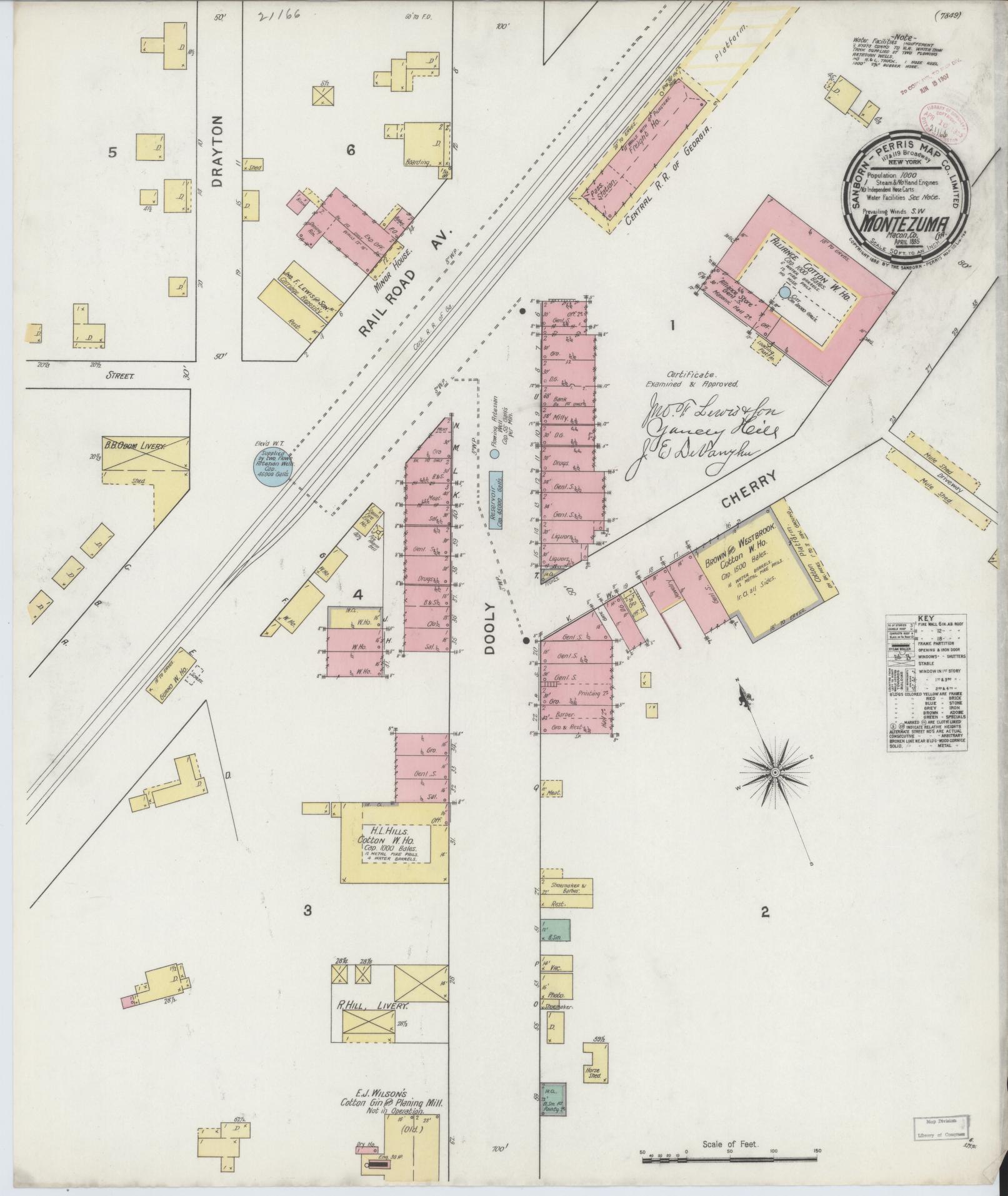
Any world-context map, heritage image, or dataset visual should include place precision, source institution, and date in the caption. The visual should not do covert geopolitical or cultural argument that the source itself does not support.
Source notes and correction path
Published source brief. Sources include Library of Congress Country Studies, UNESCO World Heritage records, UNdata, and World Bank catalog materials.
Readers can request corrections at /corrections. Approved updates should revise this source-controlled CMS record, preserve visible source notes, and tighten any geography or source language that has drifted too broad.