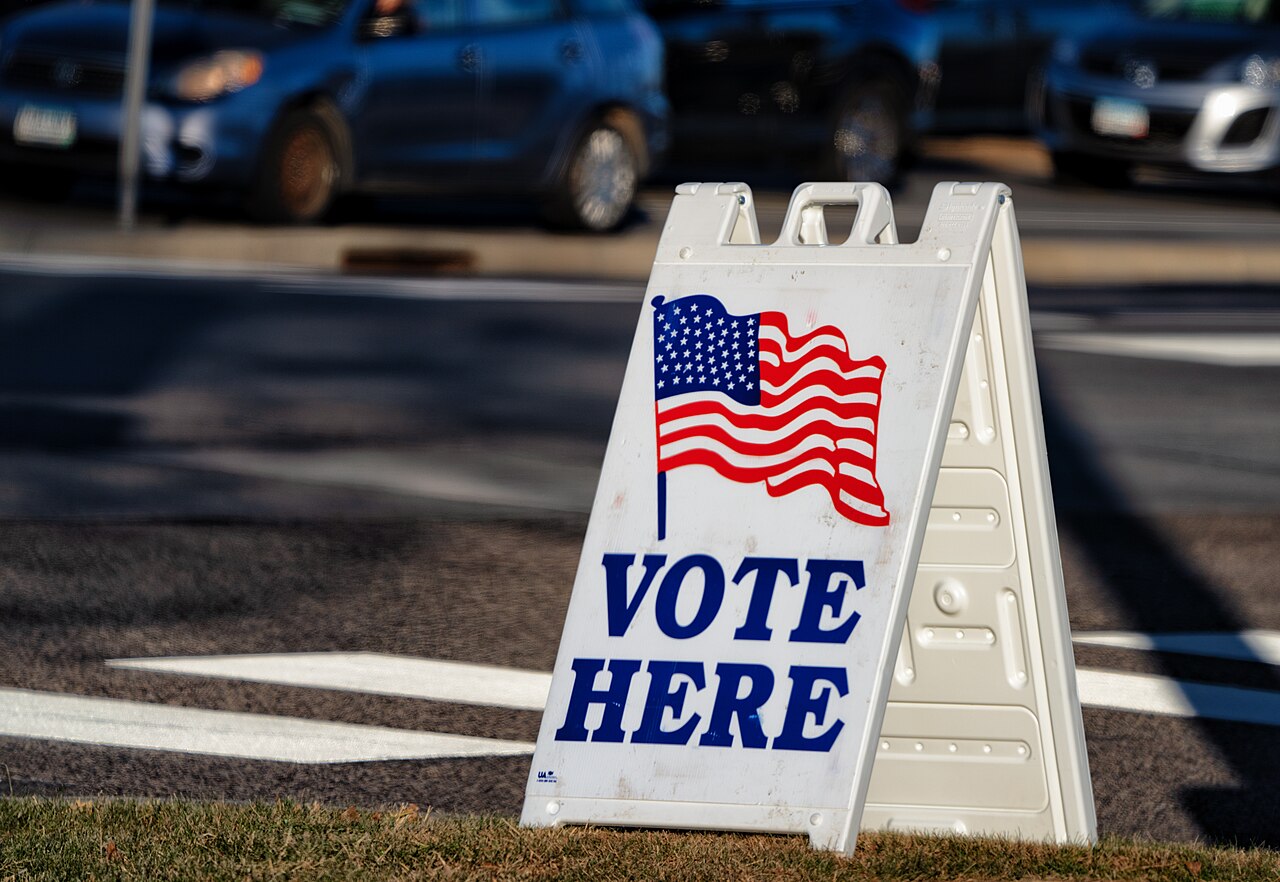
Election information is one of the clearest places where a stale screenshot can do real harm. A wrong deadline, address, rule, or ballot instruction can suppress participation or send a reader to the wrong authority. That is why CultureUp should route practical election guidance to official sources before it does anything else.
A civic explainer can still be useful, but only if it keeps jurisdiction, official source, update timing, and correction path visible enough that the reader knows the page is a guide to authority, not the authority itself.
Opening context
This is one of the few editorial lanes where convenience can become a public-service failure. If the page repeats a voting deadline from memory, strips the jurisdiction from a ballot instruction, or shares a graphic after the rules change, it can misdirect the reader at the exact moment they need a clean route.
The attached Vote.gov and EAC materials support that exact frame. They provide federal routing and trusted-source context while making room for state and local election offices to remain the operational authority. That is enough for a strong short civic brief.
The core story
That is why the first editorial question is always operational: who owns this instruction? A federal routing page, a state election office, and a county board may all matter, but they do not do the same job. CultureUp helps most when it names that job clearly and sends the reader to the right authority for the right next step.
A good election-information page can still be interpretive in tone, but it cannot be casual about timestamps. Registration, mail-ballot procedures, polling-place tools, and accessibility details can all shift. The page should teach the reader to look for the update date and jurisdiction every time, even if the source looks familiar or widely shared.
Election content fails fastest when it looks convenient. A shareable image, a reposted thread, or a familiar influencer can feel more accessible than an election office page, but accessibility is not the same as authority. The page should teach readers to ask which office owns the instruction and when it was last updated.
That is what makes the explainer genuinely useful. It can tell the reader where to go for registration, polling-place lookup, accessibility materials, local contacts, or ballot guidance without pretending to replace the office that actually controls those details.
What the record shows
The current sources support a straightforward service model: use federal trusted-source materials as routing help, then keep state or local operational authority visible for action. That structure is precise enough to guide readers without pretending that one page can replace the election system itself.
The current sources support a durable public-service rule: anchor election information to official jurisdictional sources, keep the access date visible, and separate guidance from opinion or analysis. That is enough to make the page materially protective for readers.
Reader verification card
| Check | Why it matters |
|---|---|
| Jurisdiction and authority | Shows which election office actually owns the instruction |
| Update timing | Prevents stale election guidance from sounding current |
| Action route | Tells readers where to verify or complete the next step safely |
What the record does not show
These sources do not replace every local election-office page or resolve every ballot-specific rule by themselves. They support safe routing, not universal substitution.
Why this matters for CultureUp readers
CultureUp readers need civic guidance that is both calm and exact. The value of this page is not that it repeats every election rule. It is that it trains readers to separate official instructions from screenshots, rumors, and partial summaries before they act.
Readers need civic information that reduces confusion instead of compounding it. A page that teaches source routing is often more valuable than a page that tries to restate everything from memory.
Media and caption note
Election visuals should reinforce source discipline. A screenshot, logo, or chart should only appear if the caption still tells the reader which jurisdiction and source route control the action they may take next.
Election-information pages should use sober, official-source visuals that reinforce jurisdiction and update awareness. Avoid aestheticized voting imagery that obscures the operational source route.
Source notes and correction path
Published source brief. Sources include Vote.gov and U.S. Election Assistance Commission voter information and trusted-source guidance.