Opening Summary
A Black heritage trail can help readers find public memory, but it should not replace the source trail. Boston’s Black Heritage Trail can become a CultureUp source-literacy guide if each stop remains tied to its record, map, site, and interpretation limits.
Why This Belongs on CultureUp
This belongs as a guide to reading public trails, not as a generic travel page. The CultureUp value is showing how to move from trail stop to public source, from public source to site context, and from site context to correction path.
What the Public Record Supports
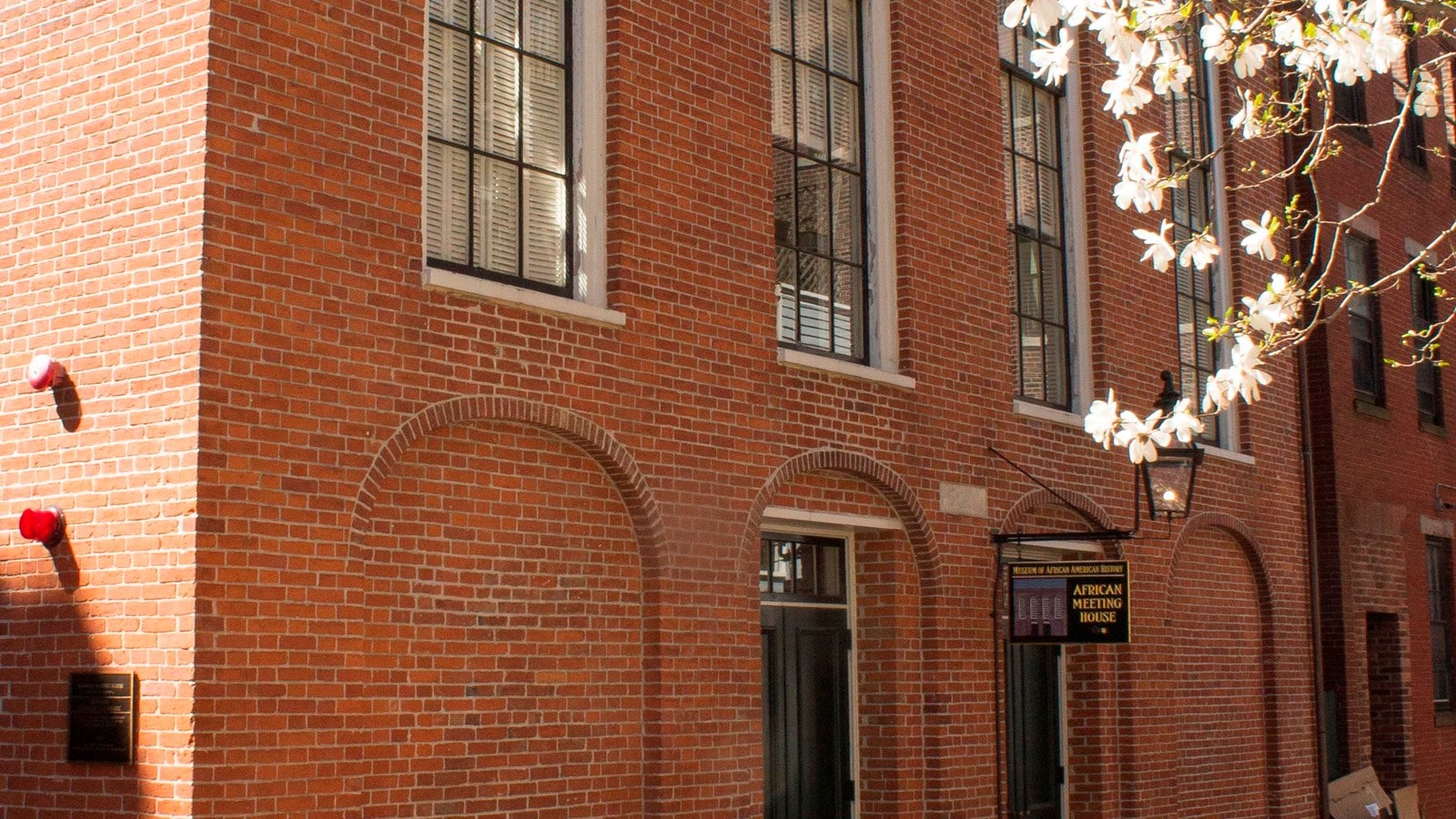
NPS supports the public Black Heritage Trail guide. The Boston African American National Historic Site foundation document supports the trail’s interpretation and stewardship context. The NPS African Meeting House page supplies a worked trail-stop example that can show readers how one stop becomes a source trail.
What Remains Uncertain
The current source trail supports the public frame. Additional photographs, local archival records, and item-level media can be added after source, rights, caption, credit, and stewardship review.
Worked Source Example
African Meeting House is the worked stop for the planning draft. Use it to demonstrate how a trail stop can identify place, source holder, historical role, and limits while still pointing readers back to the full trail and correction path.
Source notes and correction path
The source trail below names the public records used for this article. Readers can request corrections at /corrections when a stronger source, missing credit, local archive, or stewardship note belongs in the public correction path.