Skip to content
Browse CultureUp

Ebenezer's Memory Lives in the Church and Its Neighborhood Records

Congregation history, restoration records and a dated Auburn Avenue study preserve different parts of Ebenezer Baptist Church's place in Atlanta.

CultureUp Editorial DeskJun 5, 2026 / Updated 2026-10-02 / 2 min read
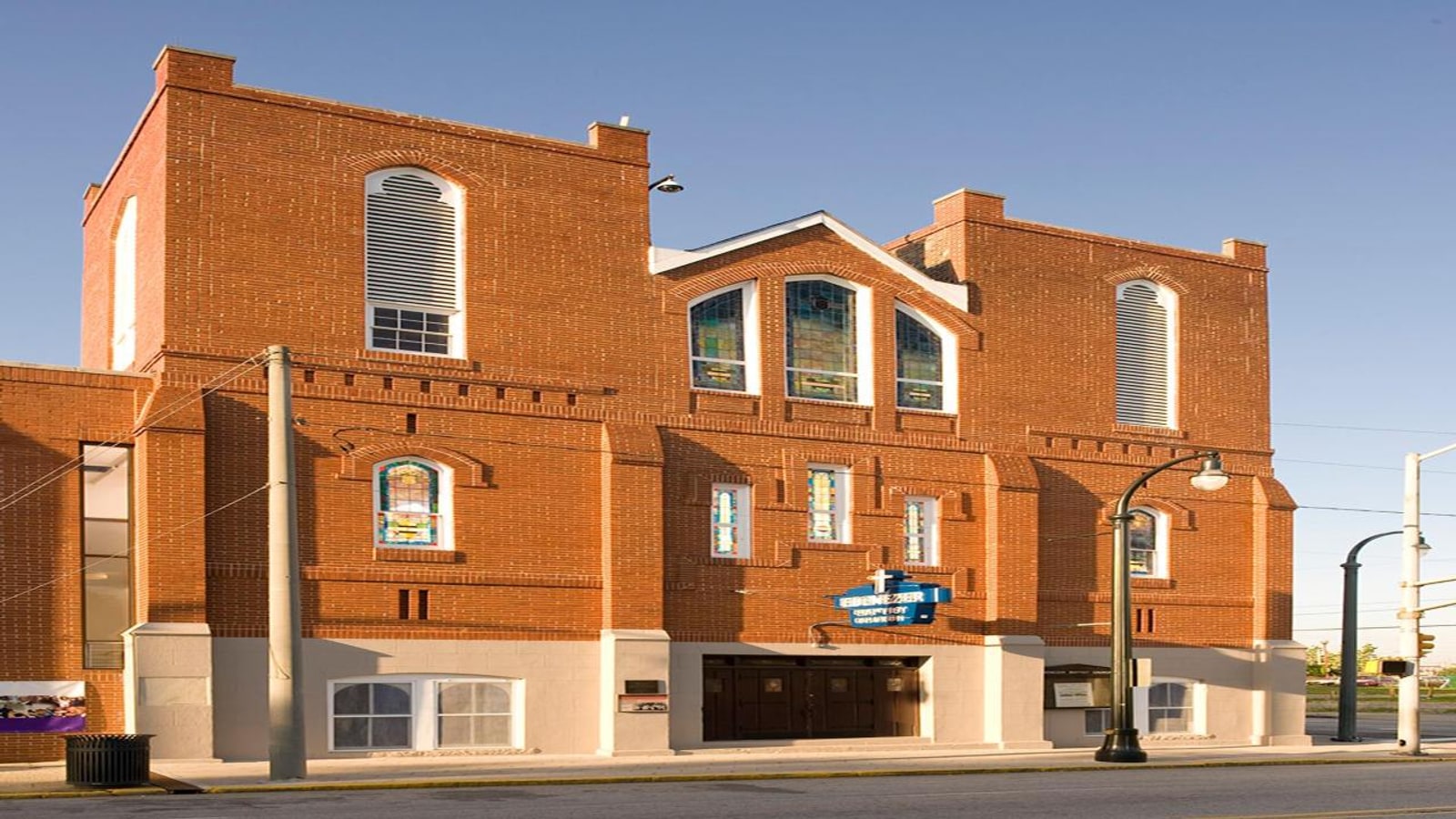
Historic Ebenezer Baptist Church exterior in Atlanta.
Ebenezer Baptist Church exterior anchors the article in the building, congregation, and Auburn Avenue place-memory record. Credit: Gary Tarleton, HFC, National Park Service.

A church within Sweet Auburn

Ebenezer Baptist Church was a spiritual home within Atlanta's Sweet Auburn community. Martin Luther King, Jr., became co-pastor with his father in 1960 and remained in that role until his death in 1968. The building's national significance grew from a congregation and neighborhood, not from an isolated monument.

Restoration preserves a chosen period

NPS describes restoration beginning in 2001, including structural repairs and building systems. A later phase restored the sanctuary and fellowship hall's appearance to the 1960-68 co-pastor period. That choice identifies the period interpreted by the restored interior; it does not mean every visible feature survives untouched from that time.

What the Public Record Supports

A historic structure report addresses a building's history and physical fabric. The NPS historic resource study, dated August 1993, examines the wider district. Its opening pages describe Auburn Avenue's Black commercial and residential life and Ebenezer's position between those areas. These are different scales of evidence: one church and the community around it.

Building survival is not a complete neighborhood account

A surviving or restored church does not establish what happened to every surrounding household. Claims about displacement, a demolished property or an individual family's experience need the relevant planning, property or personal records. The 1993 study provides dated context, not a current inventory of neighborhood conditions.

Reading the records together

The neighborhood study's printed pages 1-4 place the church in Auburn Avenue's social and physical setting. The church page describes restoration, while the structure report provides a route into building documentation. A specific claim remains attached to the record that actually addresses it, rather than borrowing authority from the site's fame.

Source notes and correction path

The source trail below names the public records used for this article. Readers can request corrections at /corrections when a stronger source, missing credit, local archive, or stewardship note belongs in the public correction path.
Sources

Read the record alongside the story.

Related reading

Continue reading

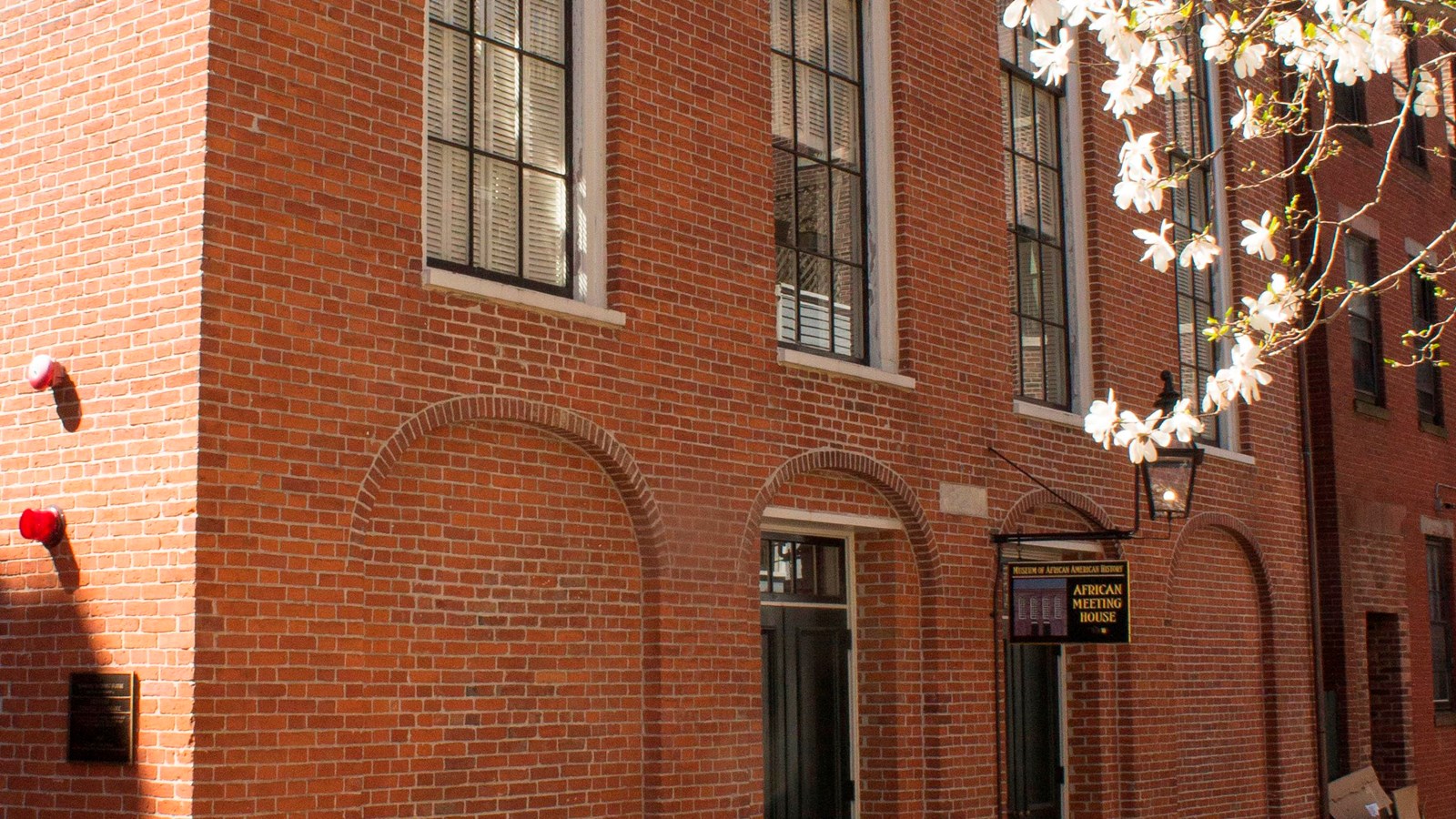
Exterior view of the African Meeting House, a historic Black church and public-memory site in Boston.

Black Public Memory / Churches

Black Churches Are Public-Memory Infrastructure

A Black church can be a sanctuary, school, meeting house, organizing room, music archive, burial marker, and record of community continuity. CultureUp reads church sites as public-memory infrastructure, not scenery.

CultureUp EditorsApr 30, 2026 / 9 min read

Feature Story

Black Church Memory / Place Records

Mother Bethel Was Kept by More Than One Name

Richard Allen's name anchors Mother Bethel's history. A surviving indenture, successive buildings and the church's organizational records bring collective stewardship into view alongside its founder.

CultureUP Editorial Desk2026-10-08 / 4 min read

Flagship Editorial

CultureUp Dispatch

Join the CultureUp Dispatch.

Get stories with sources attached, public-memory features, music and media updates, and community calls without the noise.

Source notes includedMusic and media notes

By subscribing, you agree to receive CultureUp Dispatch emails. Confirm your address through the double opt-in email; unsubscribe at any time. See our Privacy Policy.

Participate after reading

Have context to add?

Send a correction, community memory, media credit, event lead, or story tip. You do not need to know the perfect lane before you share context.

Open Participate form

Independent support

Help keep this work independent

This article is part of an independent cultural learning network built around source-aware storytelling, careful research, and responsible public education. Support helps fund source notes, timelines, corrections, research guides, and continued publishing.