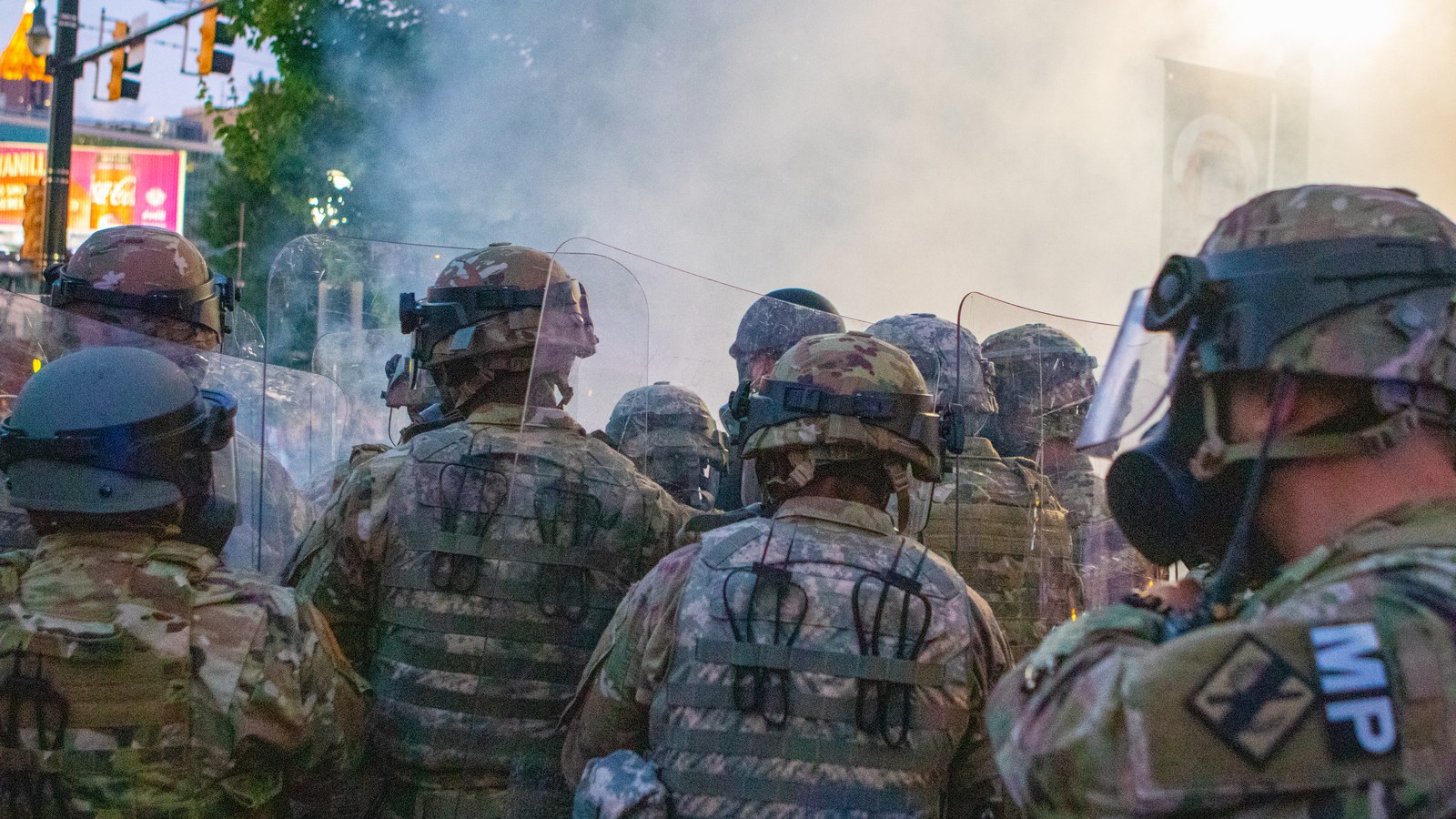
The archive stayed quiet for six years. Not because the images lacked power, but because some memories require protection before publication. In May 2020, Atlanta became one of the cities through which the world watched American grief, rage, and public memory collide after the killing of George Floyd.
CultureUp is opening this archive carefully. The public article does not release raw originals, unwatermarked video, or files that can be easily stripped of context. The first public layer is a rights-managed editorial marker: a way to tell readers that the record exists, that the witness is owned, and that the memory will not be casually scraped, reposted, or absorbed by platforms without permission.
When Black pain enters public space, who gets to name it, who gets to contain it, and who gets to profit from the image afterward?
Atlanta was not just another city in the protest wave
Atlanta carried more symbolism than many cities because Atlanta is bound to civil-rights memory, Black political leadership, CNN visibility, Southern power, and the public language of nonviolence. When downtown Atlanta moved from peaceful demonstration into fire, broken glass, police vehicles, and national broadcast images, the moment carried a symbolic charge far beyond the city blocks where it happened.
That does not mean Atlanta caused the global demonstrations that followed George Floyd’s killing. It means Atlanta became one of the visible civic mirrors through which millions of people saw the country’s rupture. CultureUp’s archive matters because it records one piece of that mirror from the ground, not only from the national broadcast angle.
The Bottoms question is a memory question
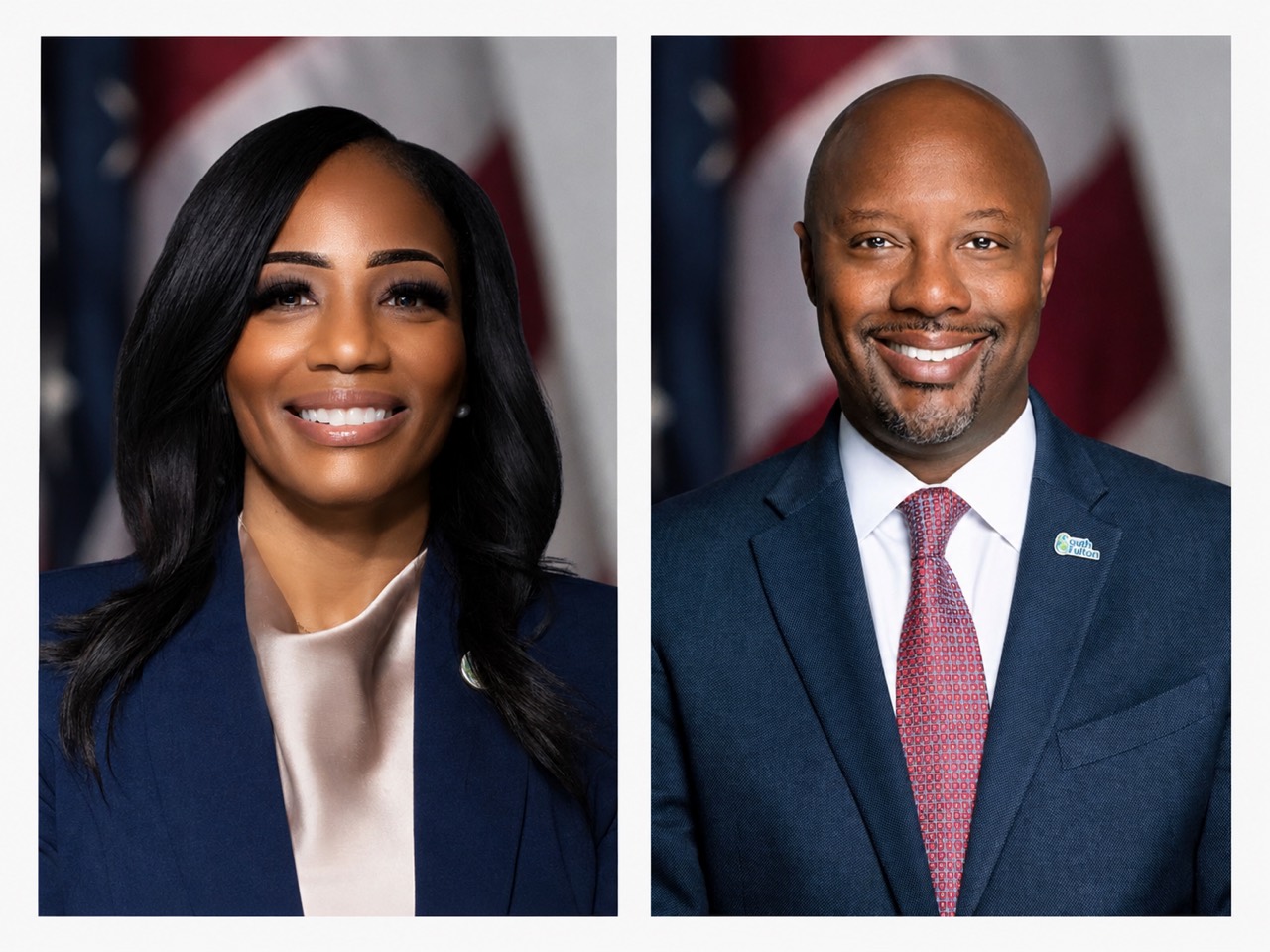
Then-Mayor Keisha Lance Bottoms became nationally visible for telling protesters to go home and for framing the destruction as a betrayal of Atlanta’s civil-rights inheritance. That moment was praised in some quarters and criticized in others. Six years later, as Bottoms asks Georgia for statewide trust, the political question is not simply whether she sounded strong in 2020. The deeper question is what Atlanta remembers about leadership when grief, property, police power, and public image collided in real time.
CultureUp does not need to claim that the 2020 backlash caused Bottoms’s later decision not to seek reelection. That would overstate the record. The stronger and more honest point is that public memory follows leaders. The same leadership image that traveled nationally in 2020 now returns as part of a statewide trust argument in 2026.
Why protecting the archive matters
Digital culture often rewards whoever uploads first, clips fastest, strips context cleanest, or repackages another person’s witness most aggressively. That is exactly why CultureUp is treating the Atlanta 2020 material as a rights-managed archive instead of a social-media dump. The goal is not to hide the memory. The goal is to keep ownership, attribution, context, and licensing power attached to it.
This is Black public memory, but it is also a practical publishing problem. If the material is valuable enough for newsrooms, campaigns, documentaries, creators, classrooms, and platforms to use, then it is valuable enough to protect before release.
Six years later
The George Floyd protest wave became one of the largest public demonstrations in modern United States history and inspired action around the world. But memory has shifted. Public support, movement language, and institutional promises have all changed since the summer of 2020. That makes owner-controlled archives more important, not less important. They keep the record close when public attention moves on.
CultureUp is not selling trauma. CultureUp is protecting Black-owned witness, Atlanta place memory, and the right to decide how this archive moves through the digital world.
Licensing and correction path
Licensing inquiries should use the CultureUp Atlanta 2020 archive licensing page. Corrections, source notes, and public-memory feedback should use CultureUp’s normal correction channels. Archive use remains subject to written approval, rights review, and context review.