Skip to content
Browse CultureUp
Civic & Institutional Memory
Feature Story

Port Chicago Is a Memorial, a Labor Record, and a Military Justice Trail

The Port Chicago public-memory trail should keep the disaster, segregated wartime labor, memorial site, and legal aftermath visible without turning a solemn record into summary content.

Indigenous Black MemorySource TrailMemorializationWartime LaborPublic RecordsMilitary JusticeBlack Sailors1926-1945CA
CultureUp Editorial DeskJun 5, 2026 / Updated 2026-06-05 / 5 min read
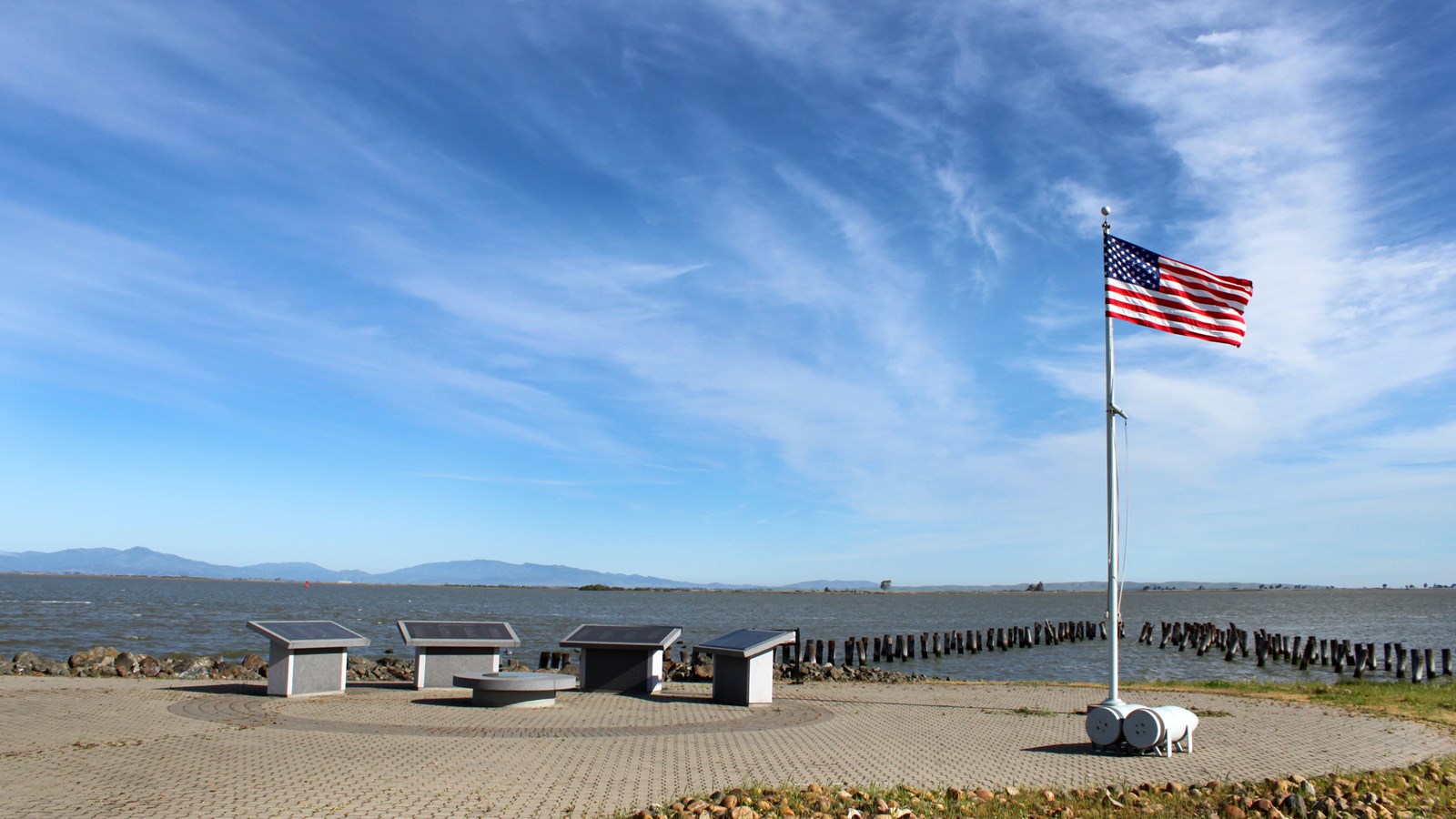
Interpretive panels and a flag at Port Chicago Naval Magazine National Memorial with Suisun Bay behind them.
Port Chicago Naval Magazine National Memorial, with interpretive panels and Suisun Bay behind the flag. Credit: NPS photo, Luther Bailey.

Opening Summary

Port Chicago should be handled as a sensitive public-memory story. The National Park Service trail identifies a memorial site connected to the 1944 explosion, African American sailors, segregated wartime labor, and events that later became part of the public record around military justice and desegregation.

Why This Belongs on CultureUp

The CultureUp frame is not a generic World War II summary. It is a place and record story: a memorial site, a labor system, a disaster, and a public record of how Black sailors were treated before, during, and after the explosion.

What the Public Record Supports

The NPS place page and NPS article support a cautious draft about the memorial, the explosion, the African American sailors working at Port Chicago, and the public-memory link to racial inequality in wartime military service. The official Navy exoneration release adds the public legal-aftermath trail and keeps later justice claims separated from the memorial record.

What Remains Uncertain

The route now has reviewed public-domain memorial-site media and a media ledger entry. Because the story involves death and memorialization, it should remain no-ad and noindex until owner/editorial review decides whether a more complete public-memory package is ready for sitemap inclusion.

Source notes and correction path

The source trail below names the public records used for this article. Readers can request corrections at /corrections when a stronger source, missing credit, local archive, or stewardship note belongs in the public correction path.

Sources

Read the record alongside the story.

CultureUp Dispatch

Join the CultureUp Dispatch.

Get stories with sources attached, public-memory features, music and media updates, and community calls without the noise.

Source notes includedMusic and media notes

Add your email interest and CultureUp will route follow-up through the editorial contact desk.

Participate after reading

Have context to add?

Send a correction, community memory, media credit, event lead, or story tip. You do not need to know the perfect lane before you share context.

Open Participate form

Independent support

Help keep this work independent

This article is part of an independent cultural learning network built around source-aware storytelling, careful research, and responsible public education. Support helps fund source notes, timelines, corrections, research guides, and continued publishing.

Organizations, educators, publishers, bookstores, archives, creators, and cultural institutions can also become self-serve sponsors of the network.

Account setup requiredAccount setup requiredSponsor the network