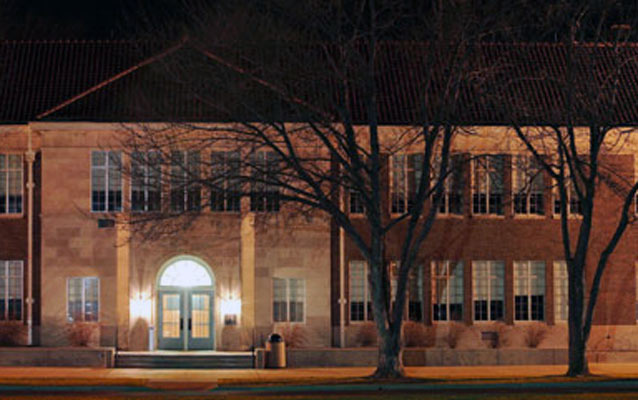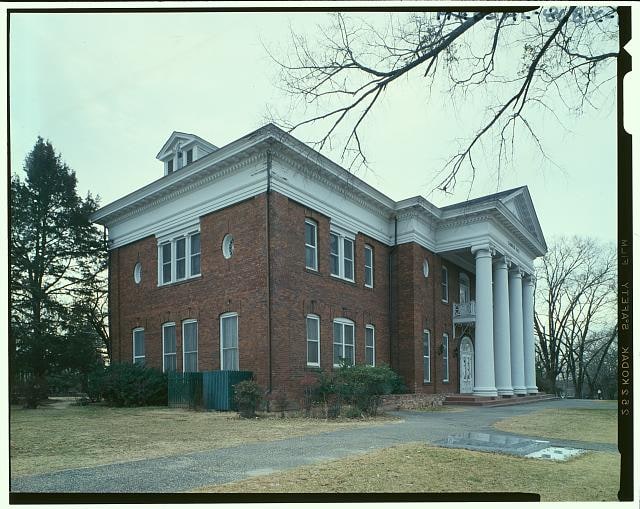
Opening Summary
An HBCU story should start with a building, campus, public record, and local continuity. CultureUp should not publish a generic HBCU overview when the stronger article is a source guide for reading preservation records.
Why This Belongs on CultureUp
HBCU buildings can carry school memory, institution-building, local Black public life, records, preservation work, and campus stewardship. The CultureUp lane is strongest when the article teaches readers how to follow a named resource and record set.
What the Public Record Supports
National Park Service Historic Preservation Fund pages support a public-record guide to HBCU preservation grants, eligible historic structures, National Register nominations, historic structure reports, and campus preservation plans. The NPS funded-projects table supplies the worked example path: institution, state, project, grant year, and preservation record can be followed before a narrative claim is made.
What Remains Uncertain
The current source trail supports the public frame. Additional photographs, local archival records, and item-level media can be added after source, rights, caption, credit, and stewardship review.
Worked Source Example
The NPS funded-projects table is the worked source. A CultureUp article should teach readers to start with the table, then follow a named building or campus project into the National Register, campus archive, preservation plan, or local stewardship record.
Source notes and correction path
The source trail below names the public records used for this article. Readers can request corrections at /corrections when a stronger source, missing credit, local archive, or stewardship note belongs in the public correction path.