Skip to content
Browse CultureUp
School & Education Memory
Feature Story

Moton Field Was Training Infrastructure, Not Just Aviation Legend

Moton Field gives CultureUp a place-based way to read Black aviation, Tuskegee Institute, wartime training, support labor, and public memory through NPS source trails.

Indigenous Black MemorySource TrailSchool MemoryAviationInstitution MemoryMilitary RecordsPlace Memory1926-1945AL
CultureUp Editorial DeskJun 5, 2026 / Updated 2026-06-05 / 5 min read
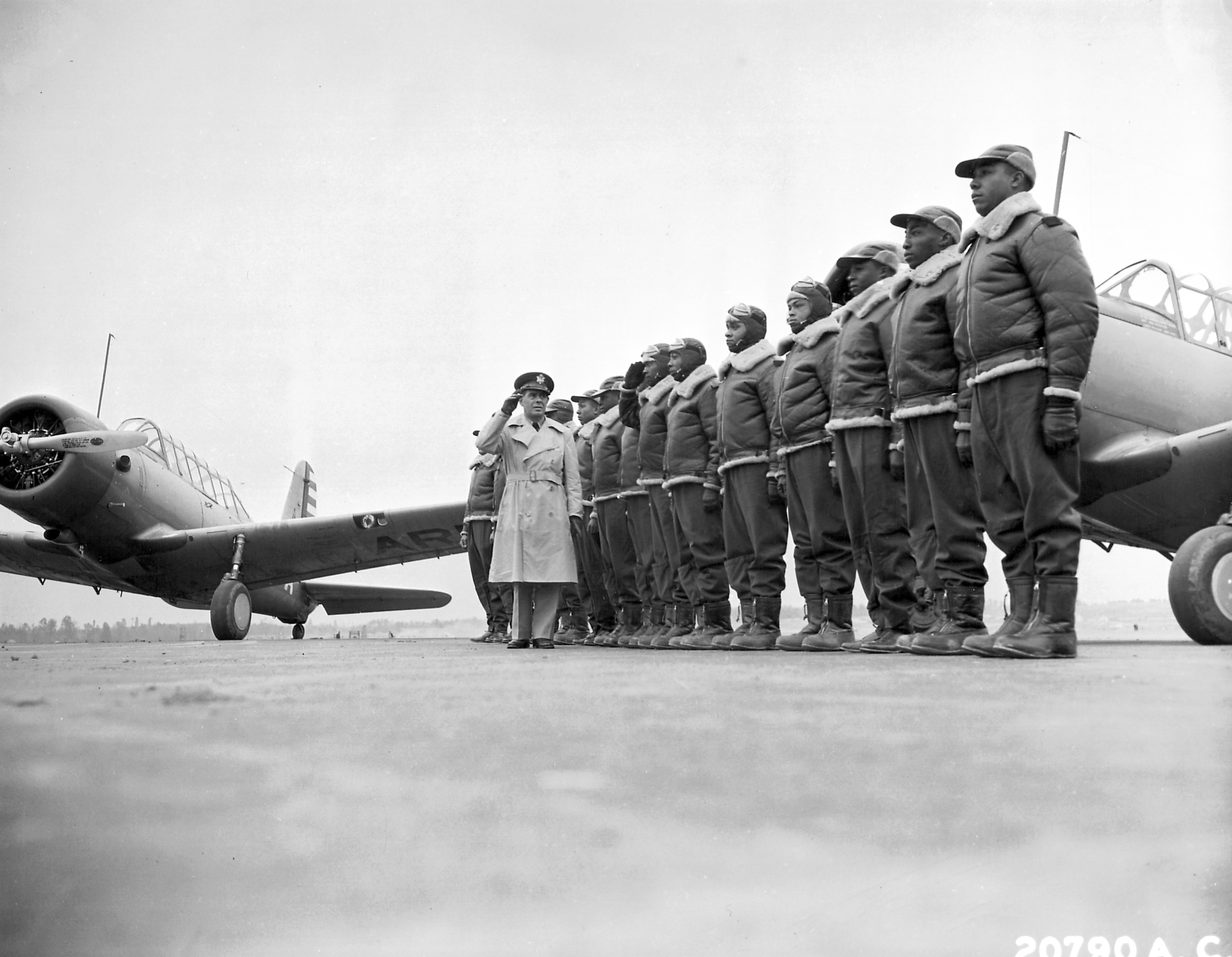
Major James A. Ellison returns the salute of Mac Ross during review of the first class of Tuskegee cadets on the flight line.
Major James A. Ellison returns the salute of Mac Ross during review of the first class of Tuskegee cadets at Tuskegee, Alabama, in 1941. Credit: U.S. Air Force via Wikimedia Commons.

Opening Summary

Moton Field should be read as training infrastructure: airfield, school relationship, military record, support labor, and public-memory site. The CultureUp lane is the institution and place record, not a generic aviation celebration.

Why This Belongs on CultureUp

The story belongs when it follows Tuskegee Institute, Moton Field, segregated military training, support roles, and public stewardship through public records. It should not make private identity claims or flatten the field into a movie reference.

What the Public Record Supports

National Park Service sources support Moton Field as the primary training facility associated with the Tuskegee Airmen National Historic Site and explain the site's significance through Tuskegee Institute, military training, and public memory. The National Museum of the United States Air Force adds a non-NPS public military museum source for primary flight training at Tuskegee Institute's Division of Aeronautics and Moton Field.

Worked Source Example

The Air Force museum record is useful because it keeps the claim narrow: Moton Field can be described as a training site and institutional aviation record, but the source does not replace site-specific preservation records, cadet-level service files, or Tuskegee University archives.

What Remains Uncertain

The current source trail supports the public frame and now includes reviewed public-domain Tuskegee Airmen training media. Additional local archival records, site-specific Moton Field records, and item-level media can be added after source, rights, caption, credit, and stewardship review.

Source notes and correction path

The source trail below names the public records used for this article. Readers can request corrections at /corrections when a stronger source, missing credit, local archive, or stewardship note belongs in the public correction path.
Sources

Read the record alongside the story.

2

History & Culture

Public source in the CultureUp source trail for History & Culture.

National Park Service

4

Training Begins

Public source in the CultureUp source trail for Training Begins.

National Museum of the United States Air Force

Related reading

Continue reading

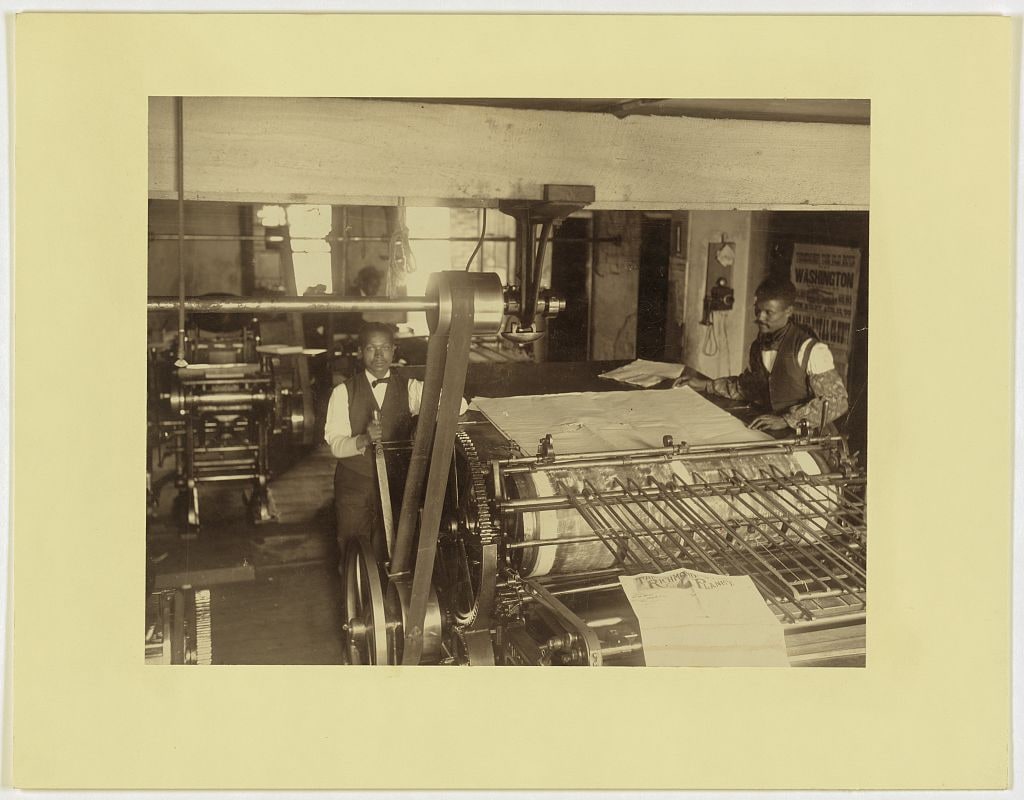
Press room of the Planet newspaper in Richmond, Virginia, photographed around 1899.

Music & Media Memory / Public Voice

Black Newspapers Are Public Records When the Source Trail Is Visible

A Black newspaper source can preserve names, dates, meetings, routes, ads, churches, schools, and civic arguments. CultureUp should teach readers how to cite the record without turning the press into a vague symbol.

CultureUp Editorial DeskJun 5, 2026 / 5 min read

Feature Story

CultureUp Dispatch

Join the CultureUp Dispatch.

Get stories with sources attached, public-memory features, music and media updates, and community calls without the noise.

Source notes includedMusic and media notes

Add your email interest and CultureUp will route follow-up through the editorial contact desk.

Participate after reading

Have context to add?

Send a correction, community memory, media credit, event lead, or story tip. You do not need to know the perfect lane before you share context.

Open Participate form

Independent support

Help keep this work independent

This article is part of an independent cultural learning network built around source-aware storytelling, careful research, and responsible public education. Support helps fund source notes, timelines, corrections, research guides, and continued publishing.

Organizations, educators, publishers, bookstores, archives, creators, and cultural institutions can also become self-serve sponsors of the network.

Account setup requiredAccount setup requiredSponsor the network