Opening Summary
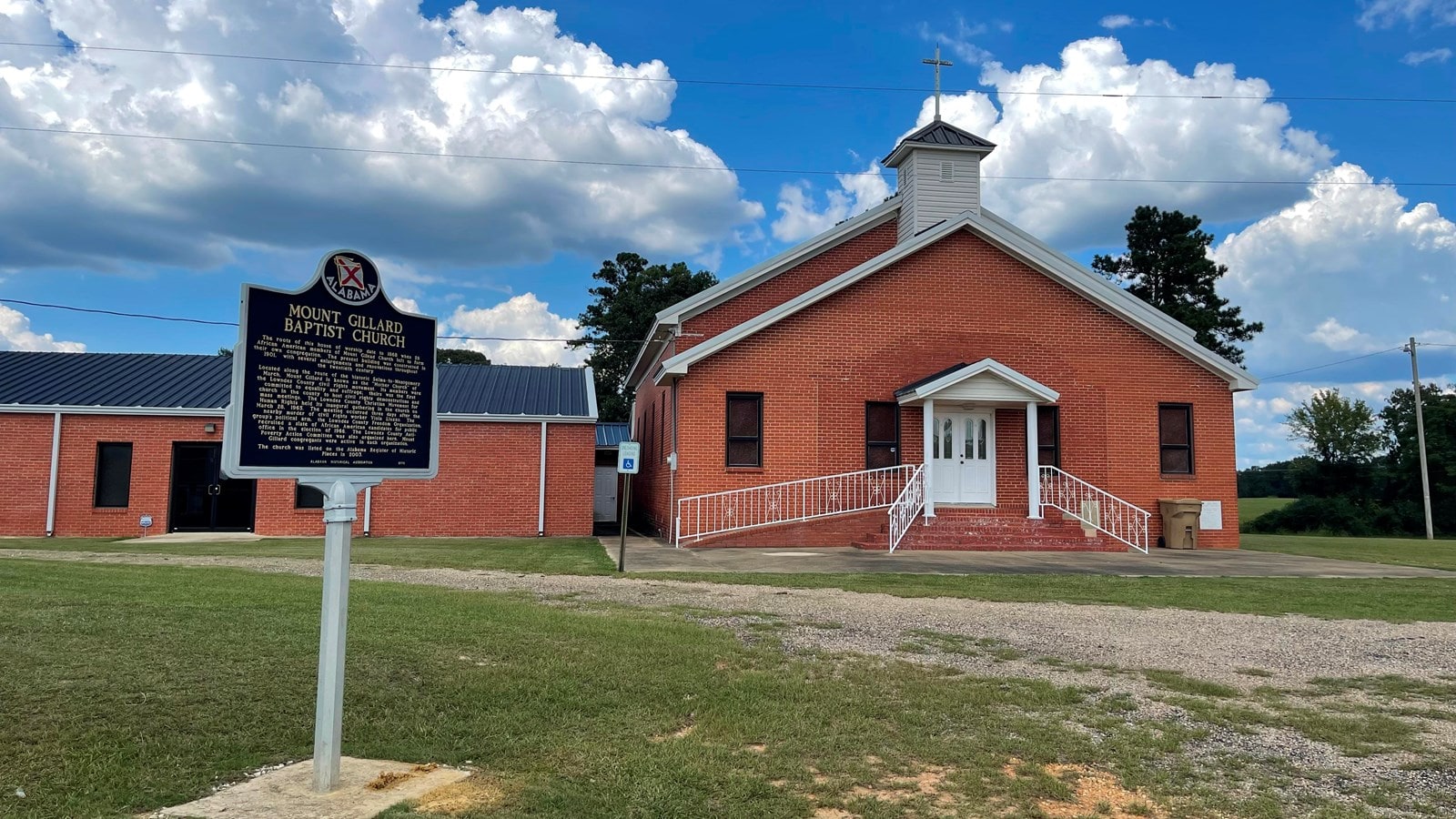
Lowndes County voting memory should be read through places where people could gather. Mt. Gillard Missionary Baptist Church gives the draft a church-door frame: a meeting place, local infrastructure, public risk, and a source trail that should remain visible.
Why This Belongs on CultureUp
This belongs in CultureUp as Black church infrastructure and civic memory. The draft should not become a generic voting-rights summary. It should ask what a church made possible: meetings, announcements, organization, witness, and local continuity.
What the Public Record Supports
The National Park Service Mt. Gillard place record supports the church as a Lowndes County Black church and civil-rights activity site. The NPS Selma-to-Montgomery study supports broader trail context when cited to exact claims. The NPS First Missionary Baptist Church, Hayneville record adds a second Lowndes County church-place example tied to local organizing and the Lowndes County Freedom Organization.
What Remains Uncertain
The current source trail supports the public frame. Additional photographs, local archival records, and item-level media can be added after source, rights, caption, credit, and stewardship review.
Worked Source Example
First Missionary Baptist Church, Hayneville is the worked comparison source. It helps show that Lowndes County voting memory moved through church doors and meeting places, not only through courthouse records or national campaign summaries.
Source notes and correction path
The source trail below names the public records used for this article. Readers can request corrections at /corrections when a stronger source, missing credit, local archive, or stewardship note belongs in the public correction path.