Skip to content
Browse CultureUp

Bethune Beach Was Recreation, Land Memory, and Public Access

Bethune-Volusia Beach connects Black recreation to the work of creating access when other local beaches excluded Black residents.

CultureUp Editorial DeskJun 5, 2026 / Updated 2026-10-02 / 2 min read
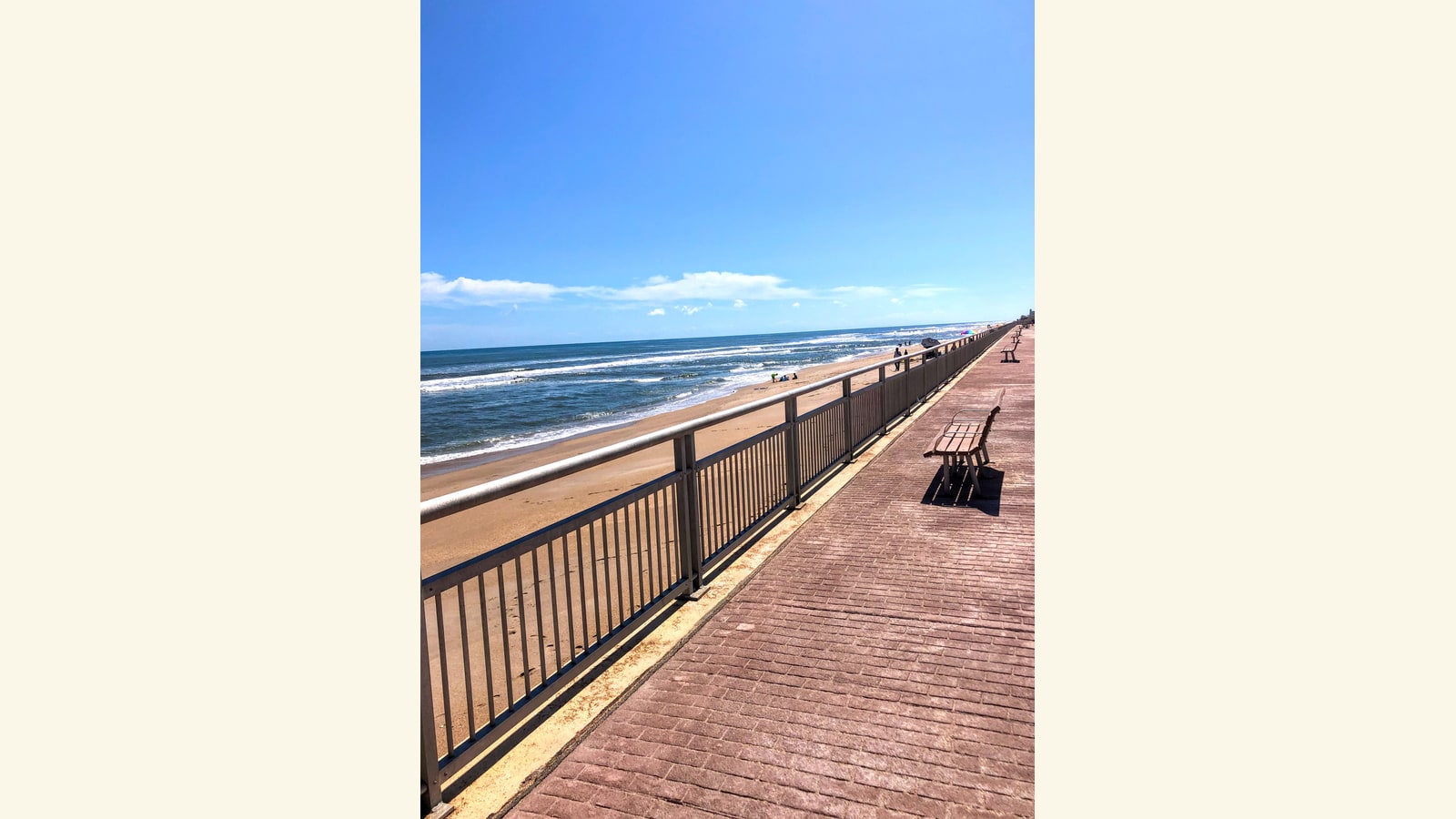
Bethune Beach shoreline and public walkway in Volusia County, Florida.
Bethune Beach shoreline and public walkway anchors the article's Black recreation and public-access place-memory frame. Credit: Lauraeasthome via Wikimedia Commons, CC BY-SA 4.0.

Recreation was a question of access

Volusia County's account of Mary McLeod Bethune describes a local exclusion: Black residents were not welcome on the beaches. Bethune and other investors established Bethune-Volusia Beach and welcomed all races. The shoreline's history is therefore not only about leisure. It is about people creating an opportunity that existing public life denied them.

A local institution beyond the classroom

The county places the beach alongside Bethune's educational and social-welfare work. That connection matters: institution-building included places where people could gather and spend time, as well as places where they studied. The beach offers a concrete local example rather than a claim that every recreational space followed the same history.

The park and the marker

Today's county park bears Bethune's name and includes beachfront and riverside areas. The Florida historical-marker index lists Bethune-Volusia Beach at 6656 South Atlantic Avenue, with a marker year of 2017. The park description identifies a present public place; the marker entry identifies an act of commemoration. Neither alone provides a complete property history.

Local history and national context

The NPS outdoor-recreation theme study supplies a wider research context. The county's account and state marker directory remain the local references here. A broad study of recreation does not establish a particular parcel transaction, visitor's experience or date of ownership transfer without the corresponding local evidence.

What the shoreline does not tell us

A present-day shoreline photograph records a place, not the terms of a historical purchase or every visitor's treatment. Those questions require deeds, dated accounts or other specific records. Current facilities, closures and accessibility also require current county information rather than an inference from the beach's commemorative history.

Source notes and correction path

The source trail below names the public records used for this article. Readers can request corrections at /corrections when a stronger source, missing credit, local archive, or stewardship note belongs in the public correction path.
Sources

Read the record alongside the story.

Related reading

Continue reading

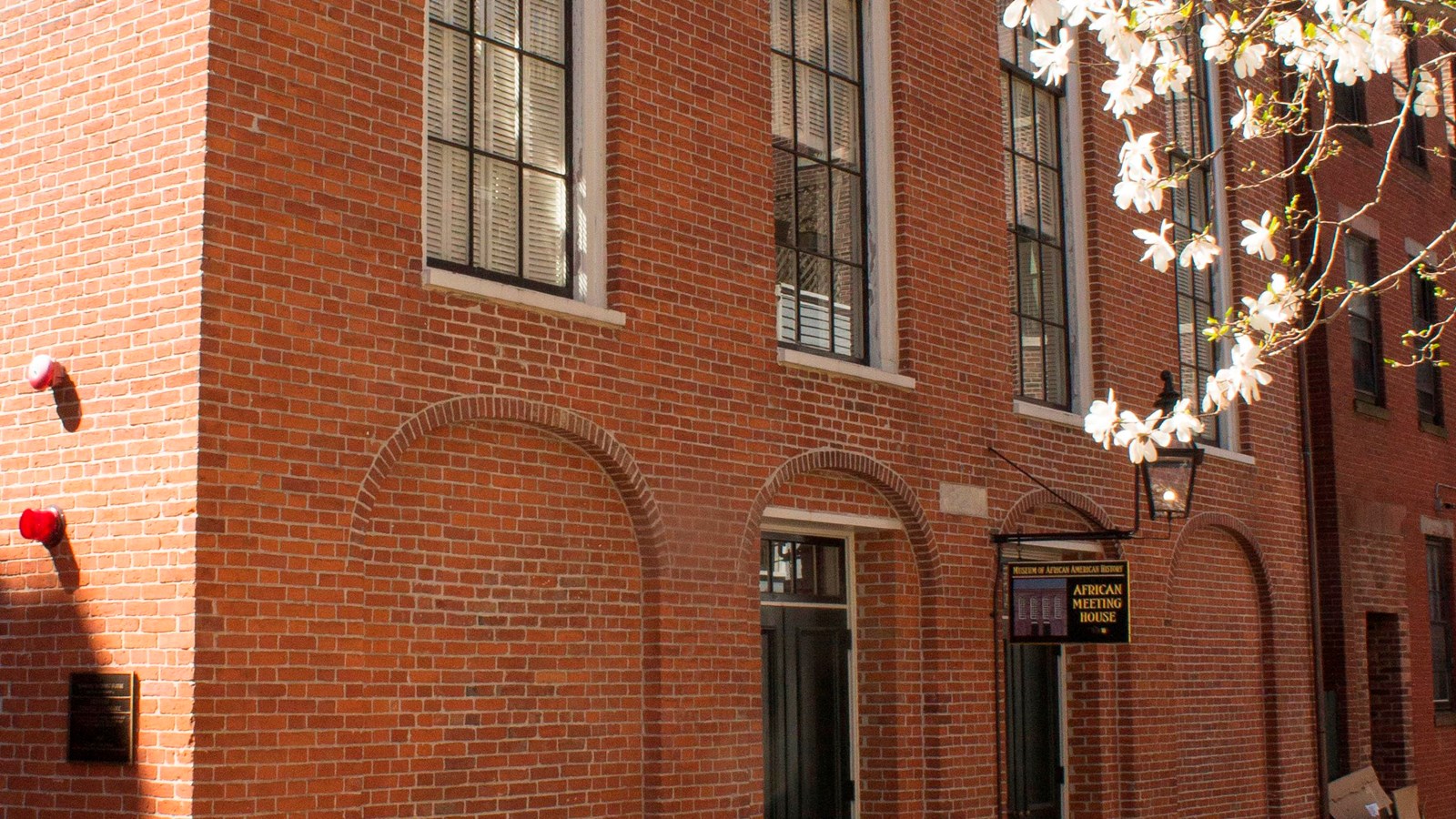
Exterior view of the African Meeting House, a historic Black church and public-memory site in Boston.

Black Public Memory / Churches

Black Churches Are Public-Memory Infrastructure

A Black church can be a sanctuary, school, meeting house, organizing room, music archive, burial marker, and record of community continuity. CultureUp reads church sites as public-memory infrastructure, not scenery.

CultureUp EditorsApr 30, 2026 / 9 min read

Feature Story

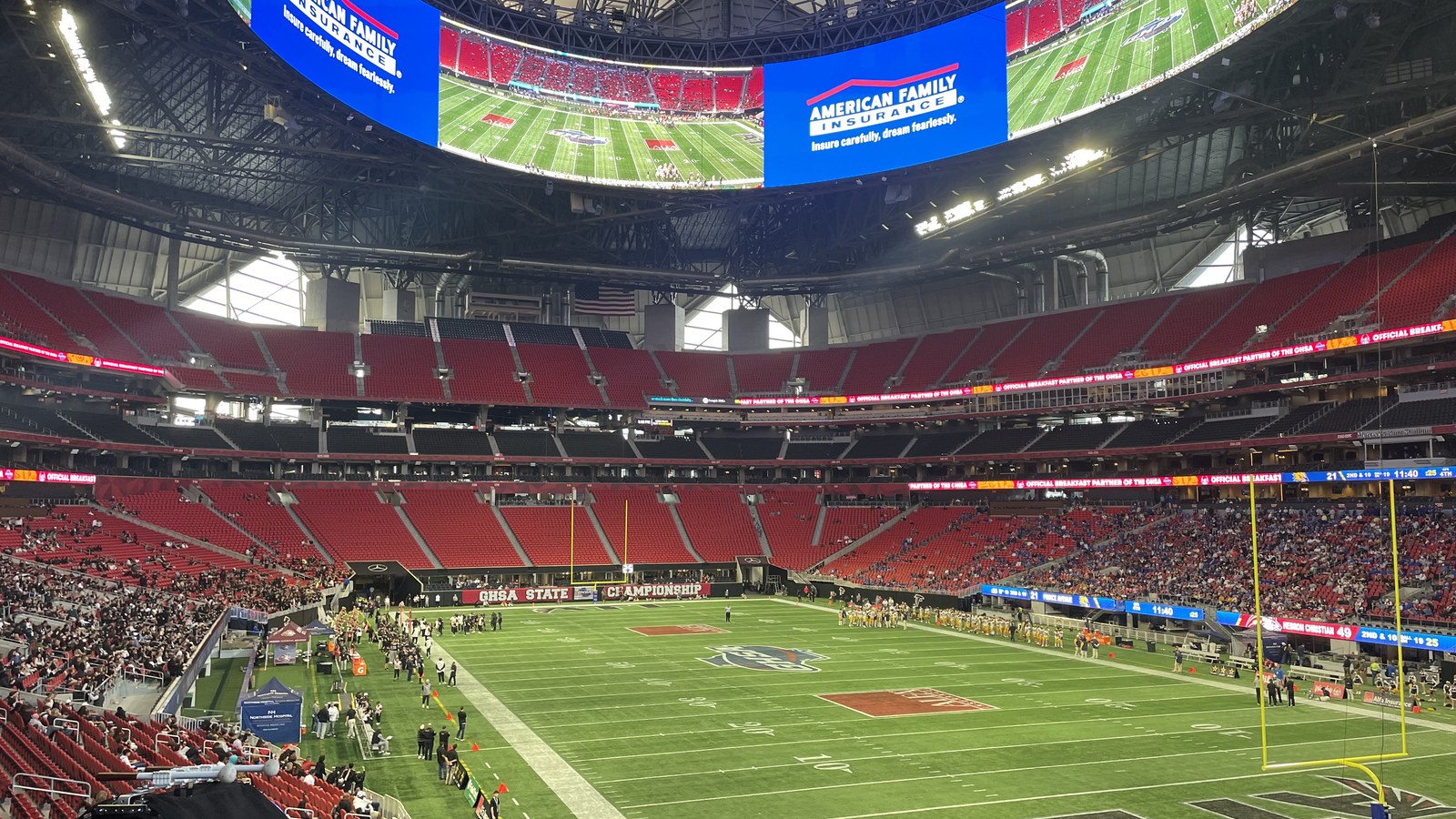
Interior view of Mercedes-Benz Stadium in Atlanta during a 2024 football championship game, showing the field, seating bowl, video board, and stadium roof.

Black Atlanta / Place Memory / Global Event Context

The World Is Coming to Atlanta. The Real Story Runs Through Black Atlanta.

World Cup 2026 will bring global visitors to Atlanta, but the stronger visitor trail runs through Black Atlanta public memory, Sweet Auburn, the King historic district, the Atlanta University Center, West End cultural institutions, immigrant corridors, refugee communities, and neighborhoods still negotiating growth and memory.

CultureUp Editorial DeskMay 17, 2026 / 12 min read

Flagship Editorial

CultureUp Dispatch

Join the CultureUp Dispatch.

Get stories with sources attached, public-memory features, music and media updates, and community calls without the noise.

Source notes includedMusic and media notes

By subscribing, you agree to receive CultureUp Dispatch emails. Confirm your address through the double opt-in email; unsubscribe at any time. See our Privacy Policy.

Participate after reading

Have context to add?

Send a correction, community memory, media credit, event lead, or story tip. You do not need to know the perfect lane before you share context.

Open Participate form

Independent support

Help keep this work independent

This article is part of an independent cultural learning network built around source-aware storytelling, careful research, and responsible public education. Support helps fund source notes, timelines, corrections, research guides, and continued publishing.