Skip to content
Browse CultureUp
Community

Community

Community stories, local updates, event leads, public-interest tips, reader submissions, and CultureUp USA audience pathways.

Community CultureUp category image

Reader path

Stories with context. Use this section to find CultureUp stories, reader guides, and contribution paths.

Section archive

Community reading shelf

A curated first page stays fast while the full CultureUp library remains searchable through Explore, the sources library, and the sitemap.

Curated view

Showing 9 of 9

How to read this lane

Community pages should turn participation into accountable public value, not lower the evidence bar because a story feels local or familiar.

CultureUp community work is where reader tips, local updates, event leads, service information, and contributor pathways meet verification, consent, date, place, and access context. Some pages help people act on local information. Others explain why a community claim needs more than anecdote, screenshots, or goodwill. The job is to make community usefulness visible without letting familiarity stand in for proof.

Reader checks

  • Check for date, place, organizer, institution, or service boundary before sharing a local item as fact.
  • Separate participation routes, public-service explainers, and reported community stories instead of treating them as one format.
  • Use consent, correction, and source paths when a page involves vulnerable people, local reputations, or changing event information.

Reader value

This section should teach readers how to read the lane, not just click through it.

Community pages should help readers participate without lowering the evidence bar. Tips, local updates, and event leads still need dates, place, consent, and accountability context.

CultureUp community coverage turns audience participation into durable editorial value by connecting local knowledge to verification, permissions, and public-interest usefulness.

Questions to ask here

  • Who is affected locally, and what consent or safeguarding issues matter?
  • What official date, location, organizer, or public record should be visible before a tip is published?
  • How can a reader contribute useful context without turning the page into rumor traffic?

Start here

Three entry points that explain the section’s standards.

Why trust this site

Community should make its evidence rules visible.

Section pages should show readers where standards live, where sources can be checked, how corrections are handled, and how media rights affect what gets published.

Editorial standards

See how CultureUp labels evidence, handles scope, and keeps public-memory claims disciplined.

Sources library

Open the source index to inspect institutions, collections, and records behind the reporting.

Corrections path

Readers can submit corrections and source notes through a visible, standing update route.

Media rights

Review how CultureUp treats captions, credits, permissions, and reusable editorial media.

Featured slot

Lead story area.

Check for date, place, organizer, institution, or service boundary before sharing a local item as fact.

Latest in Community

Follow the latest source-guided coverage.

Separate participation routes, public-service explainers, and reported community stories instead of treating them as one format.

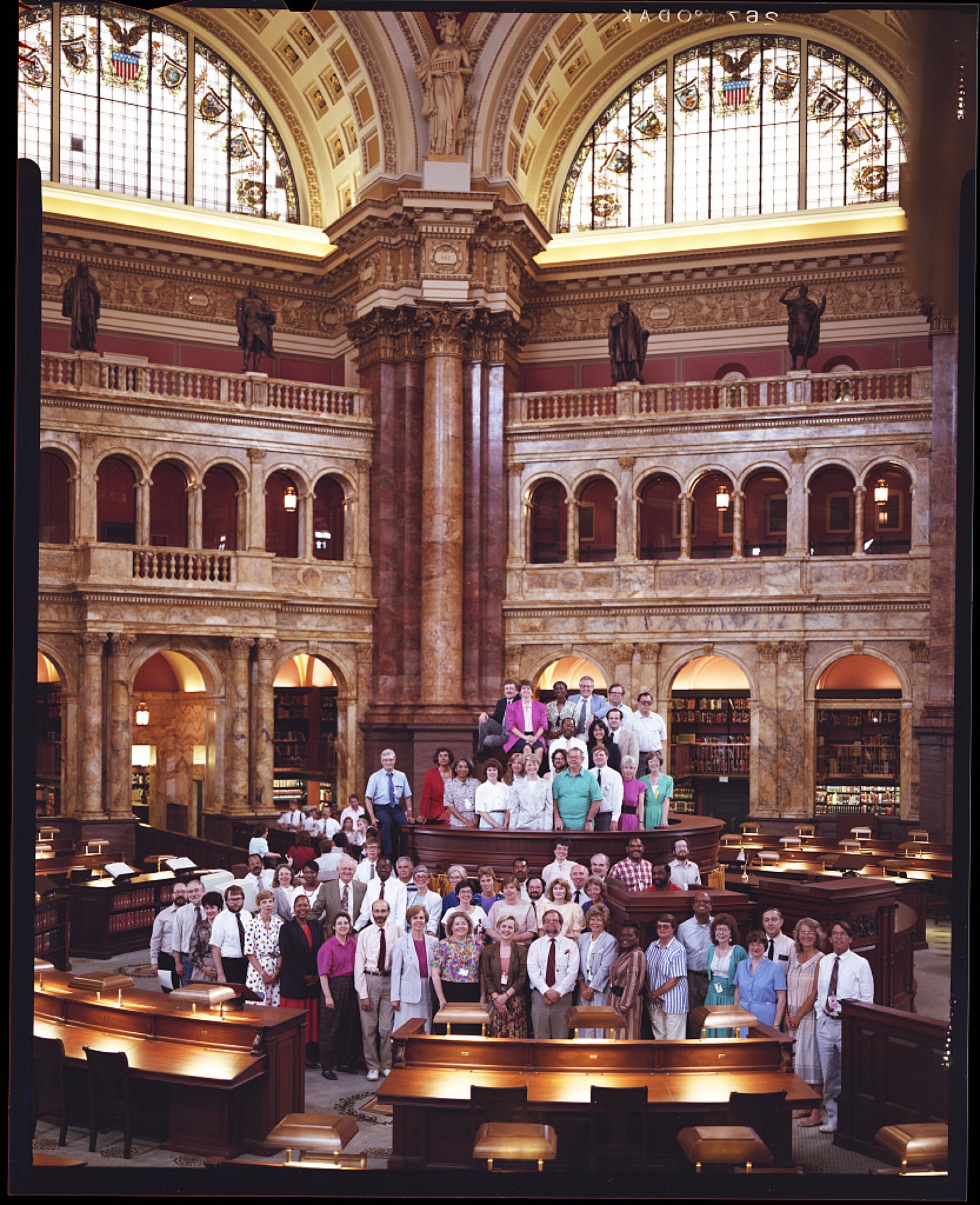
Library of Congress staff in the Main Reading Room of the Thomas Jefferson Building.

Public Memory / Media

Oral History Is Not a Footnote to the Official Record

Oral histories belong beside archives, public records, photographs, maps, and institutional files without forcing memory and paperwork to prove the same thing.

Standards DeskApr 30, 2026 / 6 min read

Short Brief

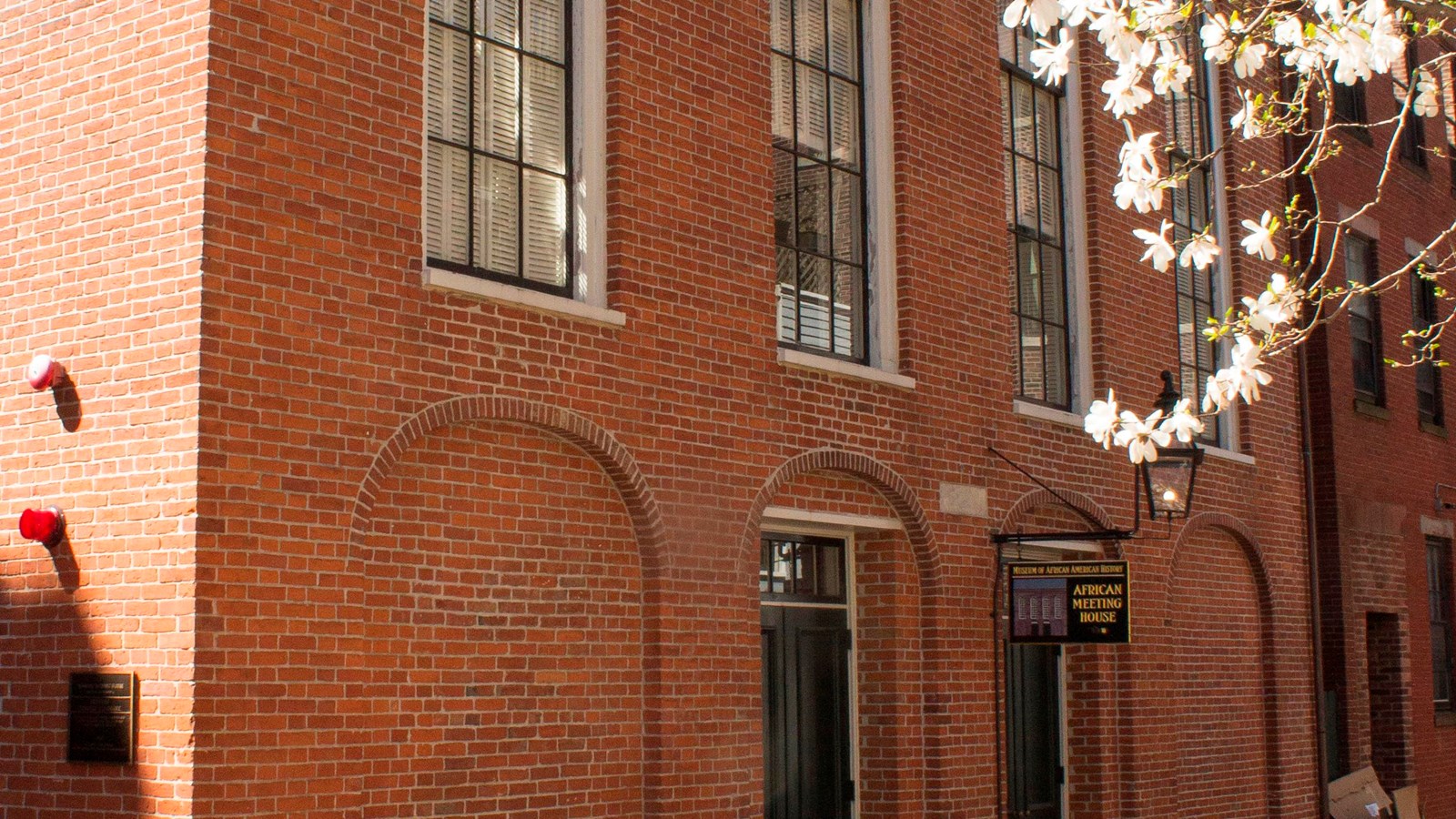
Exterior view of the African Meeting House, a historic Black church and public-memory site in Boston.

Black Public Memory / Churches

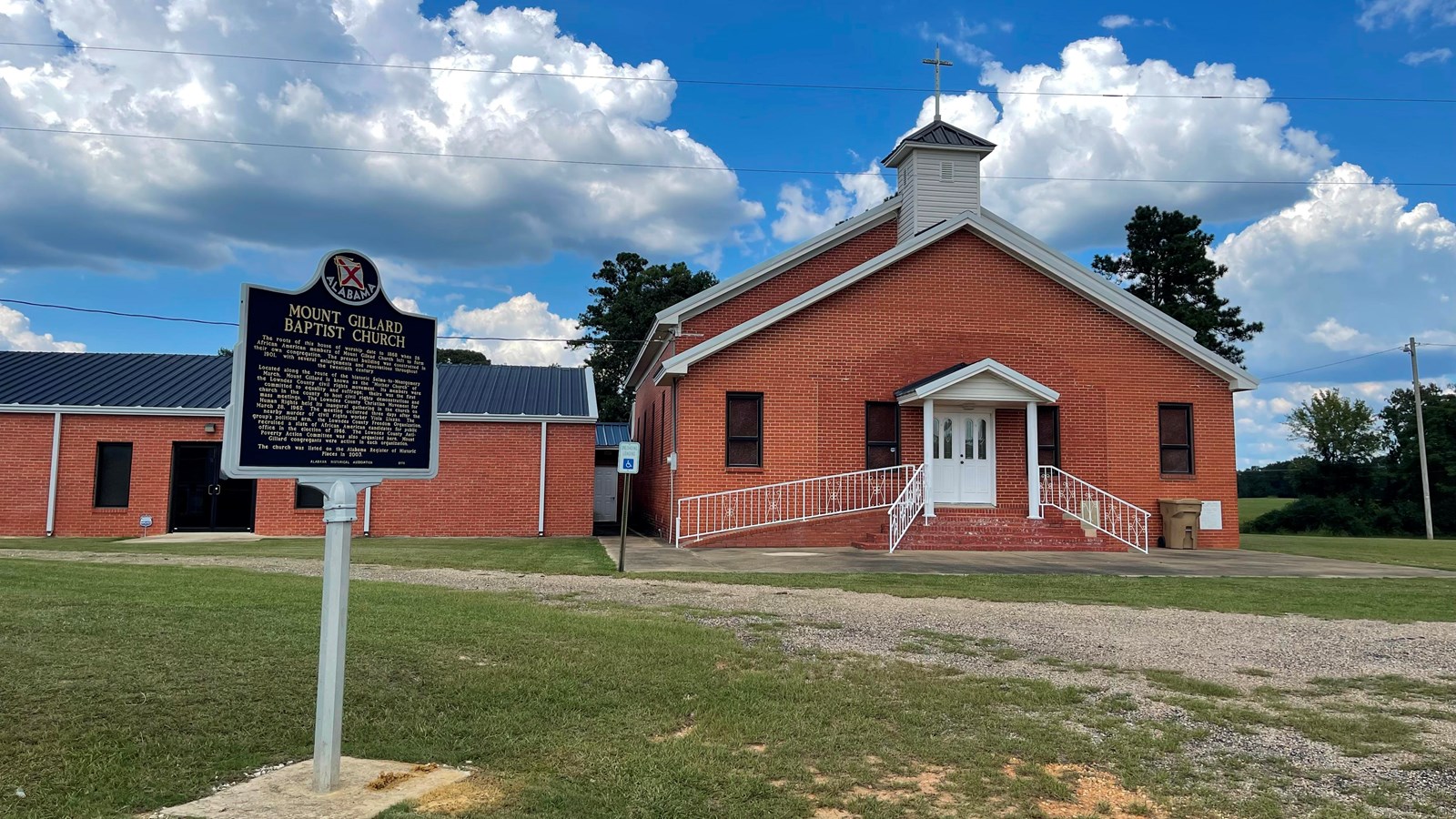
Black Churches Are Public-Memory Infrastructure

A Black church can be a sanctuary, school, meeting house, organizing room, music archive, burial marker, and record of community continuity. CultureUp reads church sites as public-memory infrastructure, not scenery.

CultureUp EditorsApr 30, 2026 / 9 min read

Feature Story

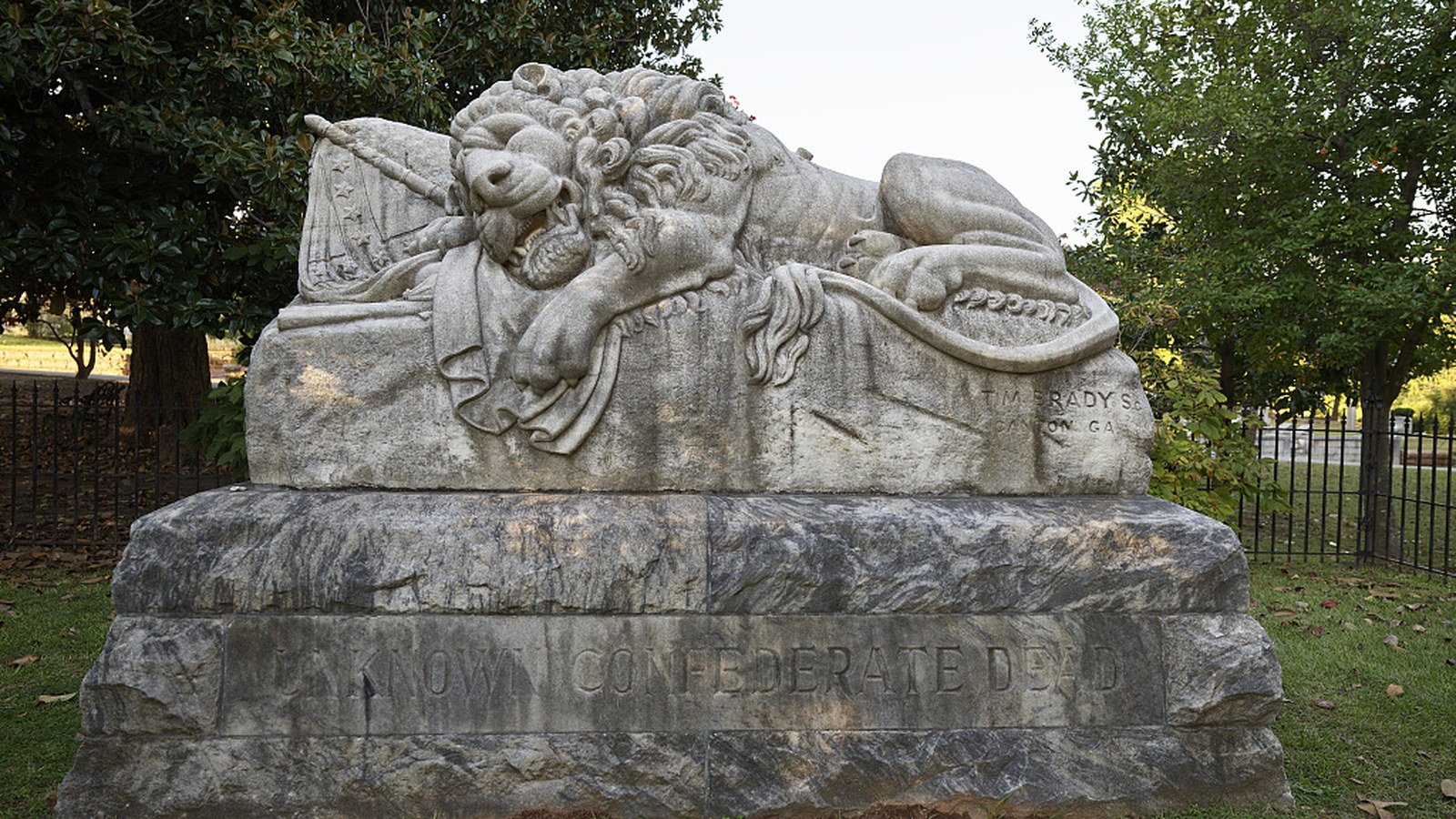
An elaborate grave marker at Oakland Cemetery in Atlanta, photographed by Carol M. Highsmith.

Black Public Memory / Cemetery Memory / Sensitive Records

Cemetery and Memorial Records Need Care Before They Become Public Memory

A cemetery record can name a person, place, marker, or institution. It cannot carry the whole story by itself. CultureUp reads burial and memorial records through source limits, descendant care, local stewardship, and correction paths.

Standards DeskApr 30, 2026 / 10 min read

Short Brief

CultureUp Dispatch

Join the CultureUp Dispatch.

Get stories with sources attached, public-memory features, music and media updates, and community calls without the noise.

Source notes includedMusic and media notes

Add your email interest and CultureUp will route follow-up through the editorial contact desk.